

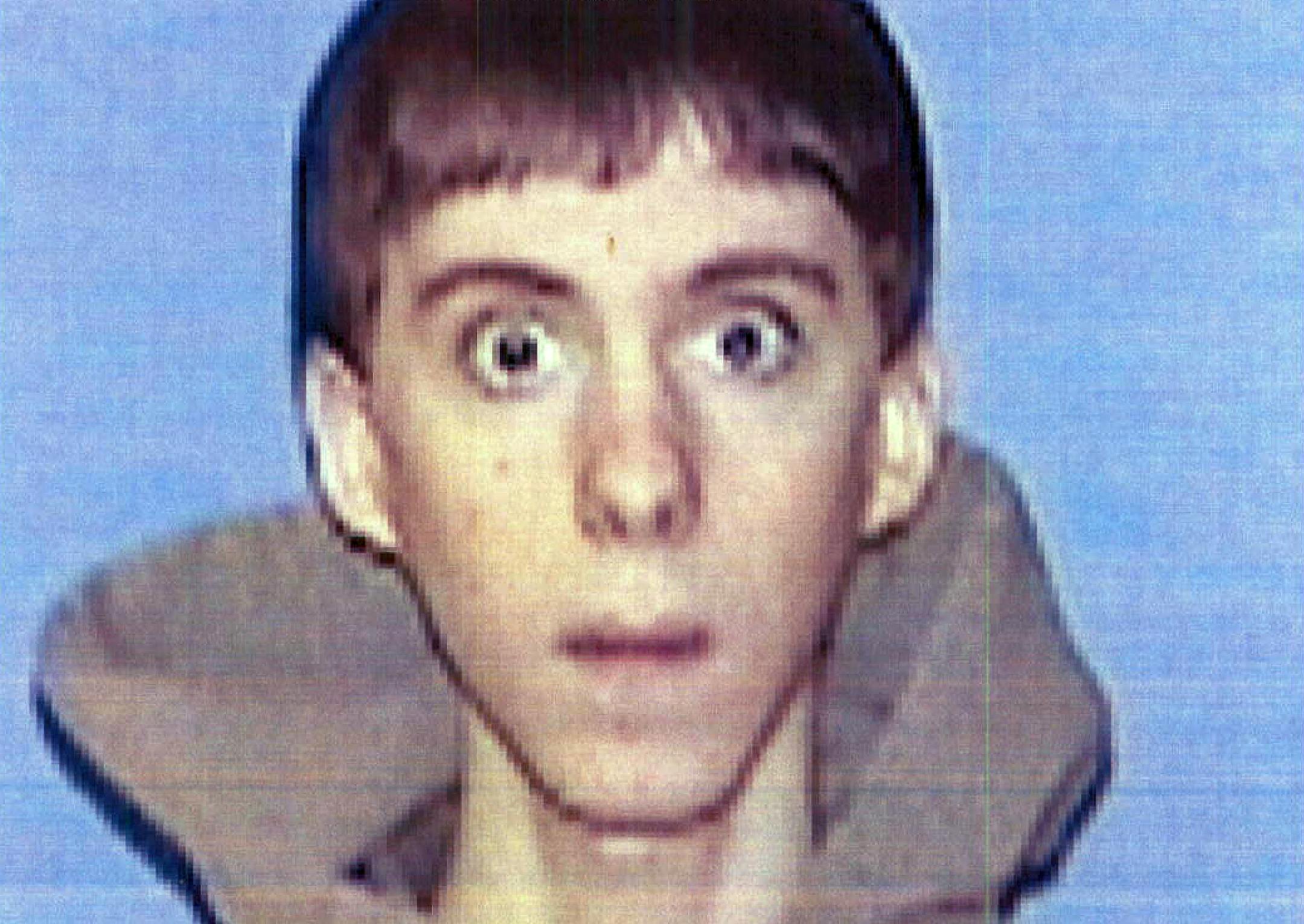
Peter Lanza, the father of Sandy Hook Elementary School killer Adam Lanza, told the New Yorker that he wished his second-born son who shot 20 elementary schoolchildren and six educators "had never been born." In an article written after a series of six interviews with author Andrew Solomon, Lanza speaks publicly for the first time about his son, Adam, saying, "With hindsight, I know Adam would have killed me in a heartbeat, if he'd had the chance. I don't question that for a minute."
Lanza, who said he "was ready to tell his story," told Solomon that he believed Adam had no affection for him. Lanza moved out of the family home Adam shared with his mother, Nancy, and older brother Ryan when Adam was a boy and he had not seen his son in the two years before the shootings.
Before the massacre at the Newtown school, Adam fatally shot his mother four times in the head. "The reason he shot Nancy four times was one for each of us: one for Nancy; one for him; one for Ryan; one for me," Lanza said.
Lanza, a vice president at a GE subsidiary, said he now thinks constantly about what he could have done differently and "wishes he had pushed harder to see Adam."
'Normal little weird kid'
The article goes over largely familiar ground about signs of trouble in Adam's early days, his struggles in school, his increased isolation as he grew older and how Adam cut off contact with his father two years before the massacre.
Lanza confirms that Adam had a sensory integration disorder diagnosed as a young boy and had such compulsive behaviors as continuous hand washing and not touching doorknobs.
Back then, Lanza said, Adam was "just a normal little weird kid," who struggled with basic emotions and making friends. Lanza said Adam "loved Sandy Hook school" but struggled in middle school when the structure of the day changed and sensory overload affected his ability to concentrate.
"It was crystal clear something was wrong," Lanza said. "The social awkwardness, the uncomfortable anxiety, unable to sleep, stress, unable to concentrate, having a hard time learning, the awkward walk, reduced eye contact. You could see the changes occurring."


