

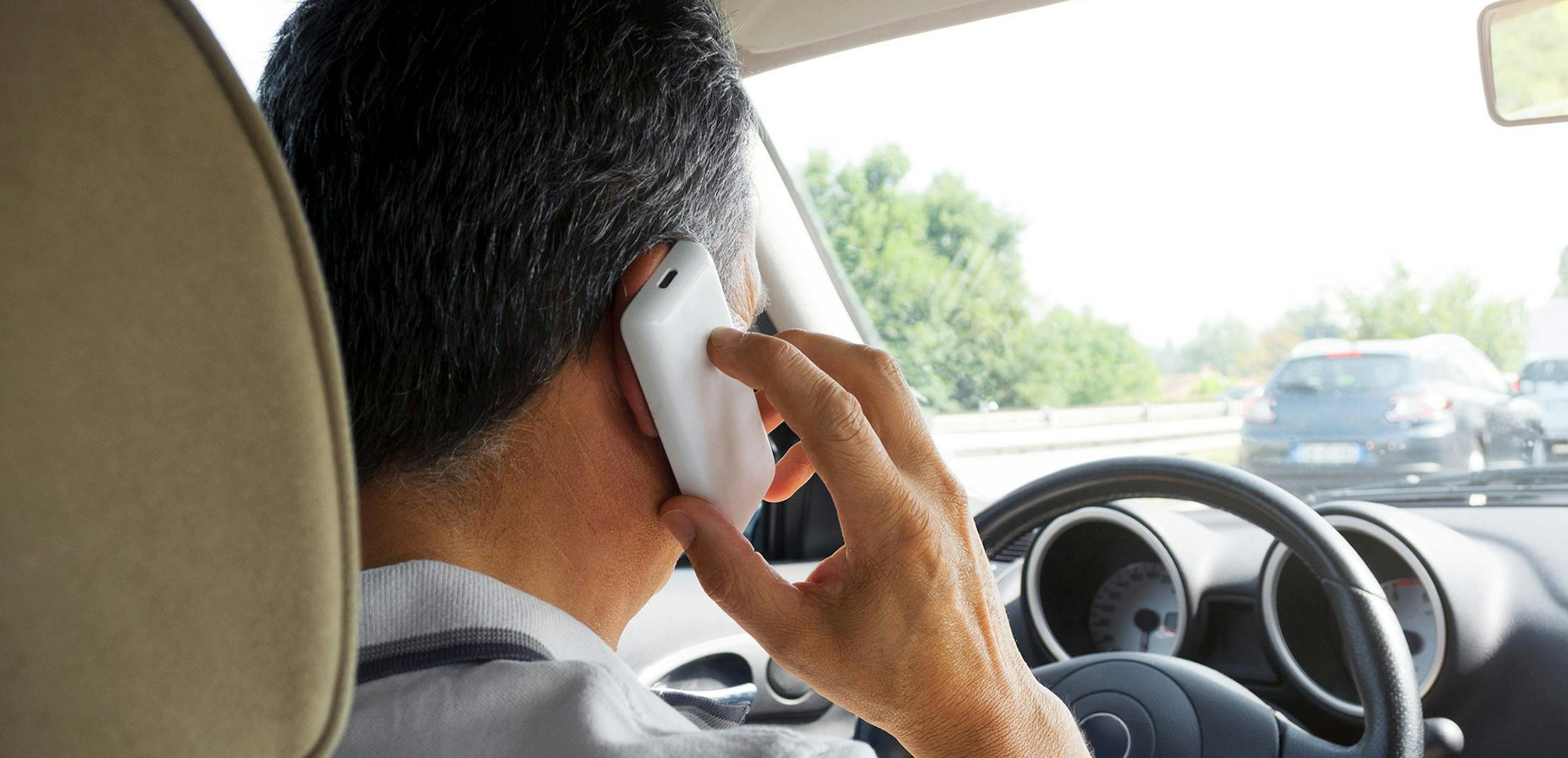
This should be a no-brainer. A bipartisan plan to further restrict handheld cellphone use while driving should quickly win legislative approval this session in Minnesota. Far too many motorists and others are killed or injured on roads and highways by distracted driving — a clearly preventable problem.
That's why a bill introduced by Rep. Mark Uglem, R-Champlin, and Rep. Frank Hornstein, DFL-Minneapolis, merits passage. The lawmakers co-authored a measure that would make it against the law to use a handheld cellphone or other device while driving. Under their welcome proposal, drivers using a cellphone without a hands-free device could be ticketed and fined.
If the bill becomes law, it could take effect as early as July — about halfway through the busy summer vacation driving season.
According to the Minnesota Department of Public Safety (DPS), the top four contributing factors in 2015 Minnesota road fatalities were speeding, distractions, impaired driving and failure to buckle up. Distracted driving causes one in four Minnesota car crashes and results in at least 70 deaths and 350 serious injuries a year.
Nationally, highway deaths spiked to 35,092 in 2015, the highest one-year increase since 1966, the U.S. Department of Transportation reports. The department attributed the 7.2 percent increase to a jump in miles traveled, drunken driving, speeding and distraction from phones and other devices. The data show that about 10 percent of fatal crashes in 2015 involved at least one distracted driver.
As a result, companies such as Cargill and Ecolab have banned cellphone use by employees while using company vehicles. In addition, the federal government offers funding to states for distracted driving education programs.
In another effort, last year the National Highway Traffic Safety Administration released new voluntary guidelines that ask makers and developers of electronic devices, apps and smartphones to design their products in ways that cut down on distraction. Those suggested modifications included disabling some cellphone and other device functions — such as playing videos, text entry or internet browsing — when a device is inside a moving vehicle.
Using a cellphone while driving is not the only activity that distracts motorists; turning to a back-seat passenger, fiddling with a radio or drinking and eating can be dangerous, too. But the use of cellphones while driving is considered particularly risky because it requires both taking eyes off the road and one or both hands off the steering wheel.


