

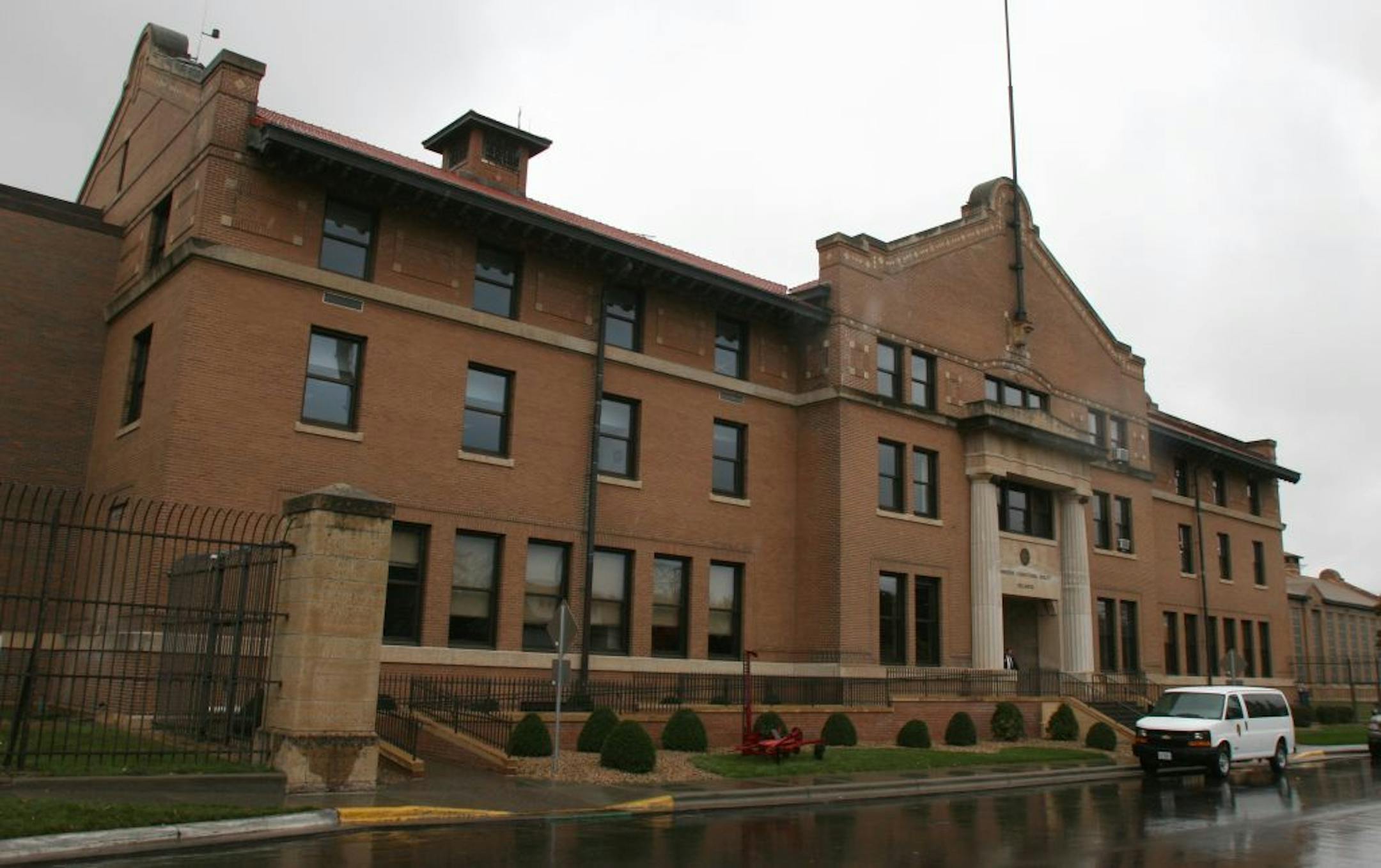
State investigators failed to preserve crucial audio and video recordings that would have shown how long it took for officers to respond to the suicide of a mentally ill Stillwater prison inmate in 2009, according to documents filed in U.S. District Court in St. Paul.
Minnesota Department of Corrections officers may have waited for as long as seven minutes in front of Garrett Benike's cell before they entered to cut him down from the sheet he used to hang himself, according to internal prison reports and depositions reviewed by the Star Tribune.
Officers have attributed the delay to the time it took to assemble a team to enter the cell, according to prison reports.
Attorneys representing Benike's family in a negligence lawsuit argued during a hearing Friday that District Judge Jeanne J. Graham should order sanctions against the officers and instruct jurors that investigators tampered with evidence to hide the failure to quickly rescue the 25-year-old Rochester man. Settlement discussions in the case may begin as early as February.
When officers finally entered the cell and tried to revive Benike, they applied shock pads that showed he still had electrical activity in his body — an indication that he might have been revived if they had acted more quickly. But without the digital, time-lined recordings taken by the officers, it is extremely difficult to establish an exact chronology of their responses and actions, attorneys argued.
Last summer, the Department of Corrections disclosed that the audio recordings had been destroyed by an unknown employee. They also said that the video footage of the officers' response was tampered with so badly that it couldn't be recovered from a disc. The video had been stored in a supposedly secure area, but when it was retrieved, it was not viewable, the department said.
A typewritten log created from the audio recording is all that remains to show what allegedly did or did not take place when officers responded to the suicide alert. Richard Wright, the Benike family's attorney, argued that there is no way to prove whether that log, created from the now-destroyed audio recording, is accurate.
'A seven-minute gap'
"There is a seven-minute gap, and the DOC knew they would have a problem with it," Wright said. "This is a death investigation — how do you not preserve the recordings of what happened?"


