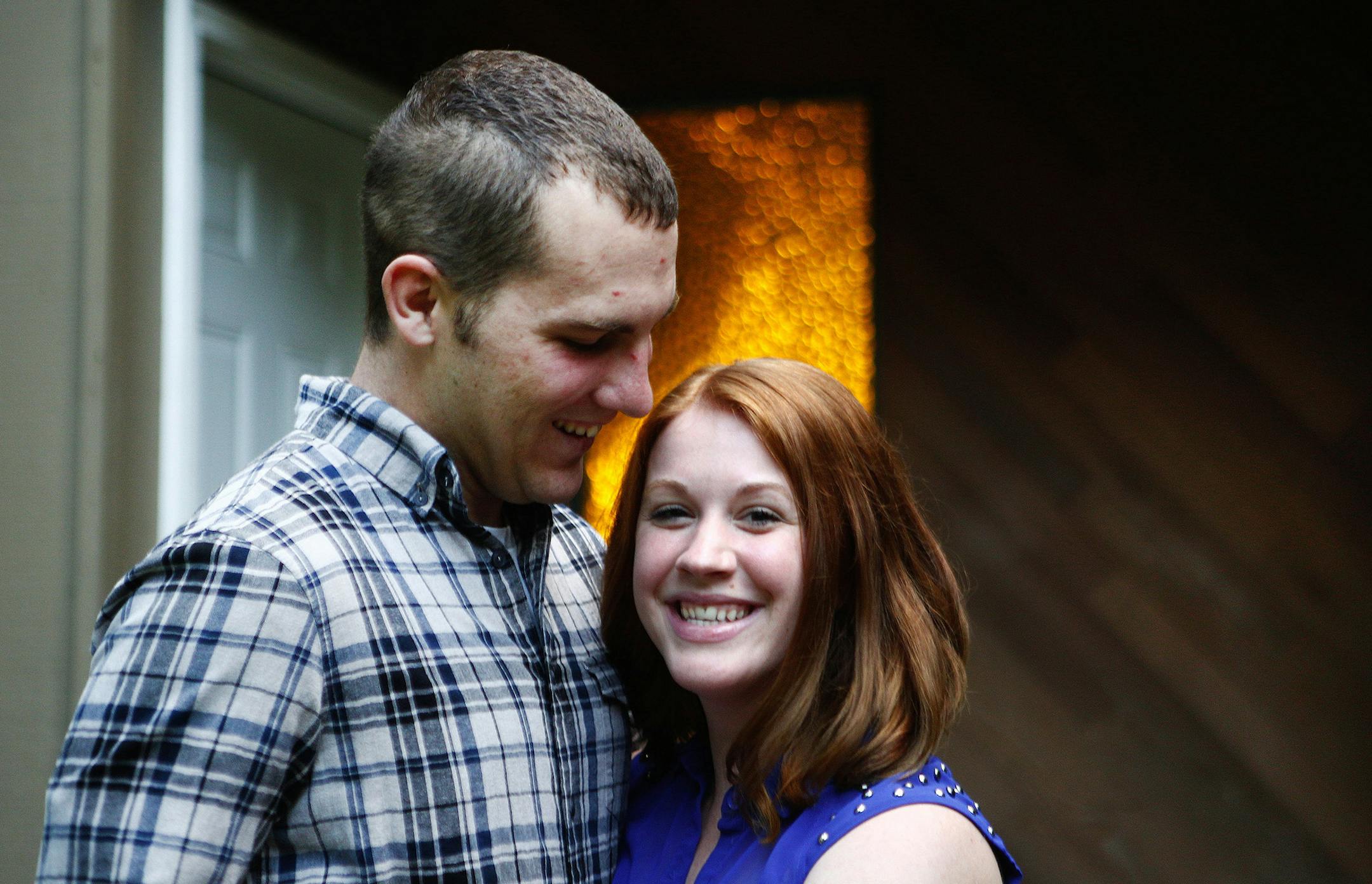
SEATTLE – Nick and Stephanie Fattal desperately want to have a baby. They talked about having kids on their first date.
They married in 2012 and hoped that Stephanie would become pregnant. They gave it a "good solid year of trying," but to no avail.
Doctors gave the couple a 3 to 5 percent chance of conceiving naturally. Their best option for having a baby of their own: in vitro fertilization. The price tag with Nick's military discount: $10,000.
"We do well, we make ends meet, and we can provide for a baby," said Stephanie, 25. "But providing $10,000 just to get pregnant was not attainable."
So Nick and Stephanie joined countless other modern couples unable to have a child naturally who have turned to the Internet in hopes of raising money to help cover the costs.
Thirty-six years ago, before the first "test-tube baby" was born, there were few fertility options. Now there is adoption, IVF or surrogacy — all of which are expensive. The Fattals' site has netted $1,740.
One in 8 couples in the United States have difficulties getting pregnant, according to a family growth survey by the federal Centers for Disease Control and Prevention.
Online crowdfunding, where there is no guarantee the money will go toward its intended person or cause, is not without criticism. In addition to its potential for fraud, there are ethical questions.