

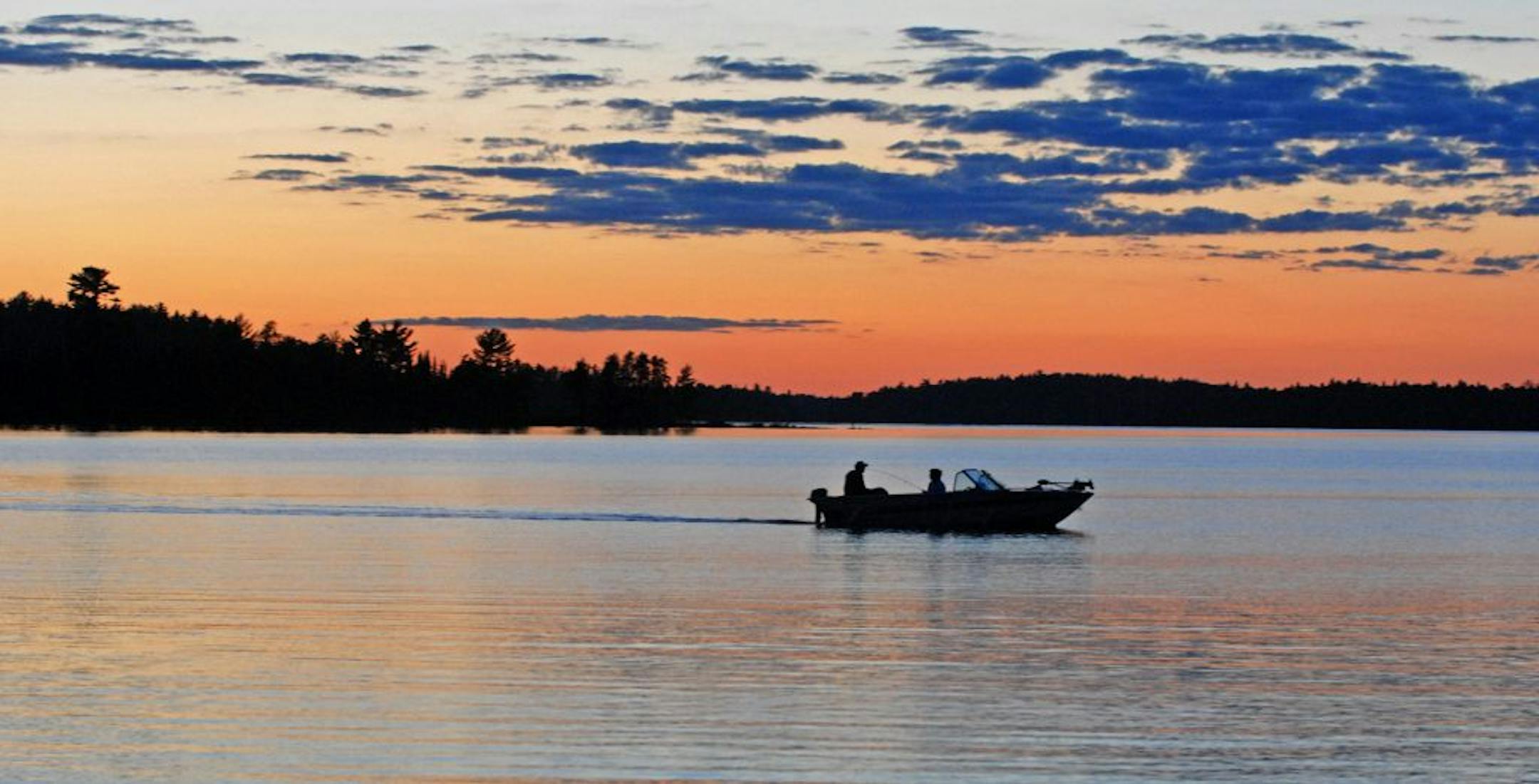
Every summer for more than a decade, we've made the crossing into northern Ontario at Fort Frances with a caravan of walleye anglers in separate vehicles, towing one tarp-covered trailer packed with gear and food.
We learn something new every trip. Unfortunately, some of those lessons have come during "secondary referrals," or inspections.
According to the Canada Border Services Agency (CBSA), more than a half-million Americans cross into Canada every year at the seven land entry points that border Minnesota, including Fort Frances.
With one notable exception, the same rules that apply in Fort Frances apply at the other crossing points: Pigeon River Bridge north of Grand Portage, Rainy River International Bridge at Baudette and the Manitoba crossings of Sprague, Piney, South Junction and Tolstoi. The distinction is that 18-year-olds can import beer and liquor into Manitoba. At Ontario ports, the minimum age for the same privilege is 19.
When you pull up to the CBSA booth on the Canadian side, the agent will request identification and pepper you with questions. Where are you from? Where do you work? How long are you going to stay in Canada? Where are you staying? Are you packing live bait? How much tobacco and alcohol are you importing?
The agents are professional and normally good-natured, but it's always a little tense and attempts at humor from inside the car wear thin on the officer quickly.
Here are 10 steps to prepare for a trouble-free crossing for a fishing trip:
Avoid the rush


