

 1:25
1:25MORRIS, MINN. – Just like her frequent lecture topics — corn, cattle and ethanol — Natasha Mortenson is a bit of a commodity herself.
As an agriculture teacher, she can do it all. Welding? Her favorite subject. College-level horticulture with an emphasis on genetics? She finds it challenging, but fascinating.
Mortenson frequently puts in long hours outside the classroom, ferrying Future Farmers of America (FFA) members to events, working in the greenhouse, or checking on students who are working at Riverview, the local dairy, which also happens to be the state's largest.
"It's a lifestyle, not a job," she said. "It's a very different kind of teaching that's not for everyone."
Teachers like Mortenson are hard to come by in Minnesota, where over the past five years, there's been a 29 percent decline in the number of licenses held by agriculture teachers — the second-biggest drop by subject area, just behind family and consumer sciences.
Nationally, hundreds of ag teaching positions are expected to go unfilled in coming years because of a shortage.
Yet, agriculture plays a vital role in Minnesota, home to such industry giants as Cargill, General Mills and Hormel. The agriculture and food industry sector is the state's second-largest employer, providing high-paying jobs that transcend traditional roles on the farm.
That's why schools — particularly rural schools — covet agriculture teachers. But it's not easy to find them.
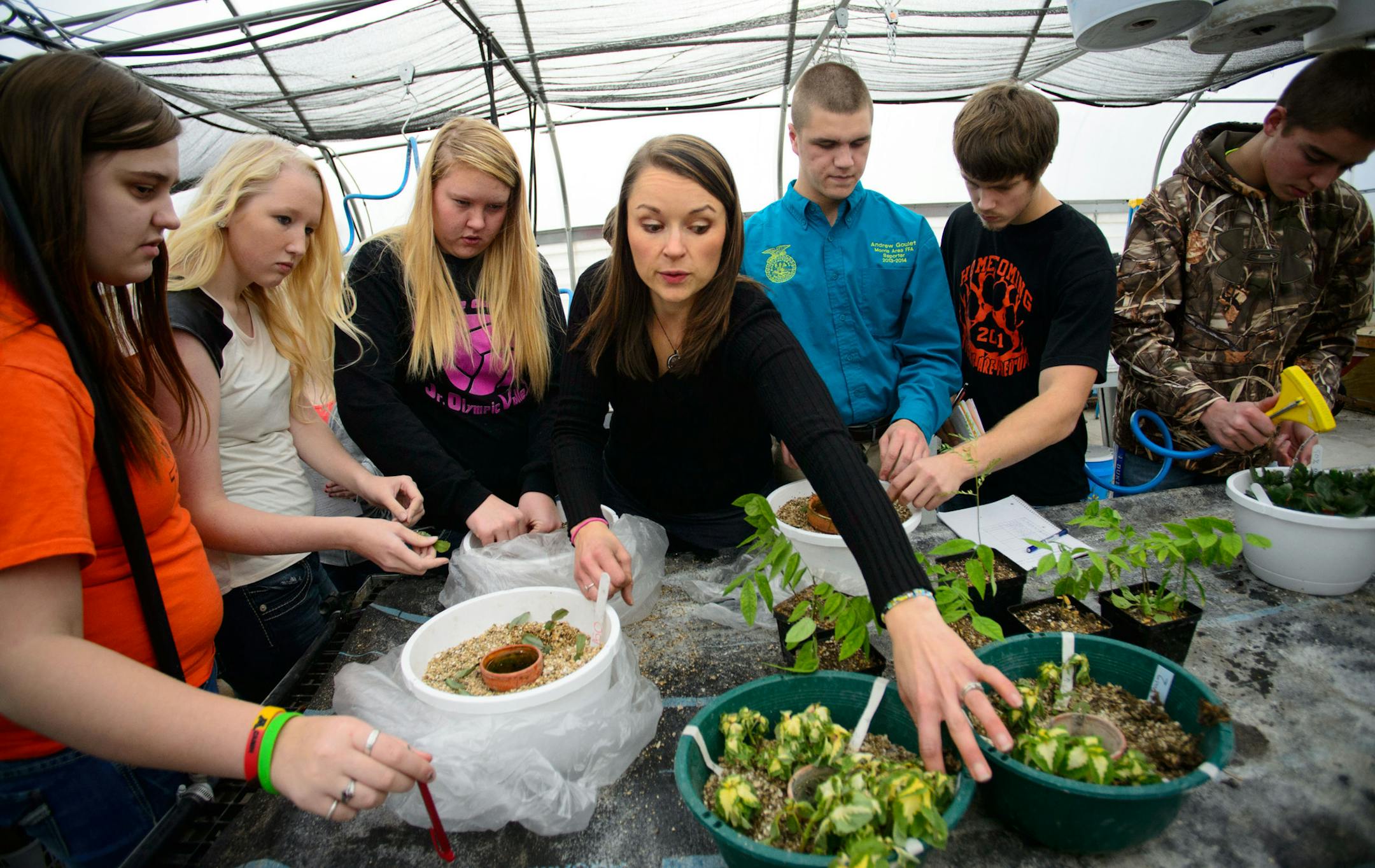
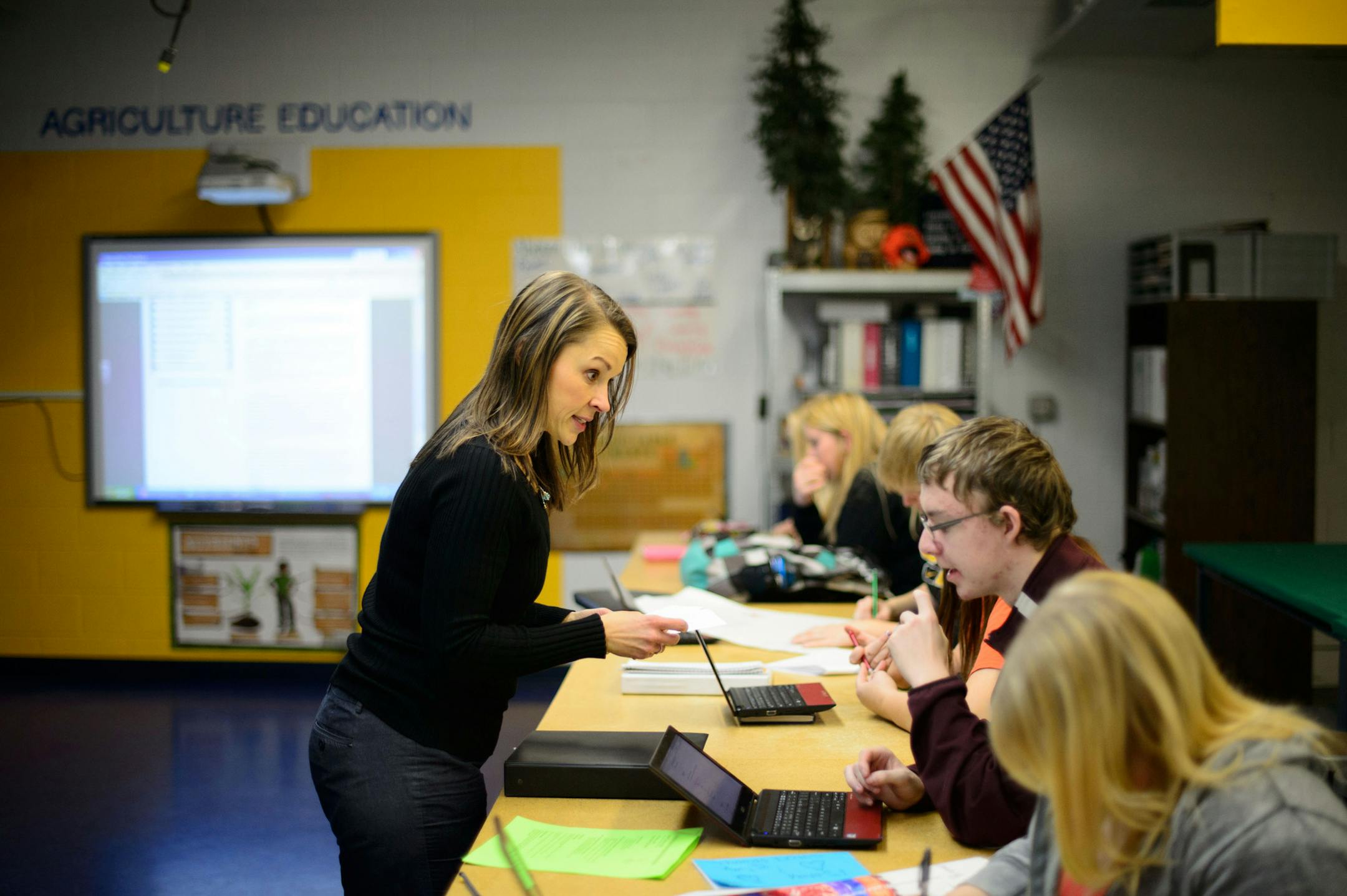
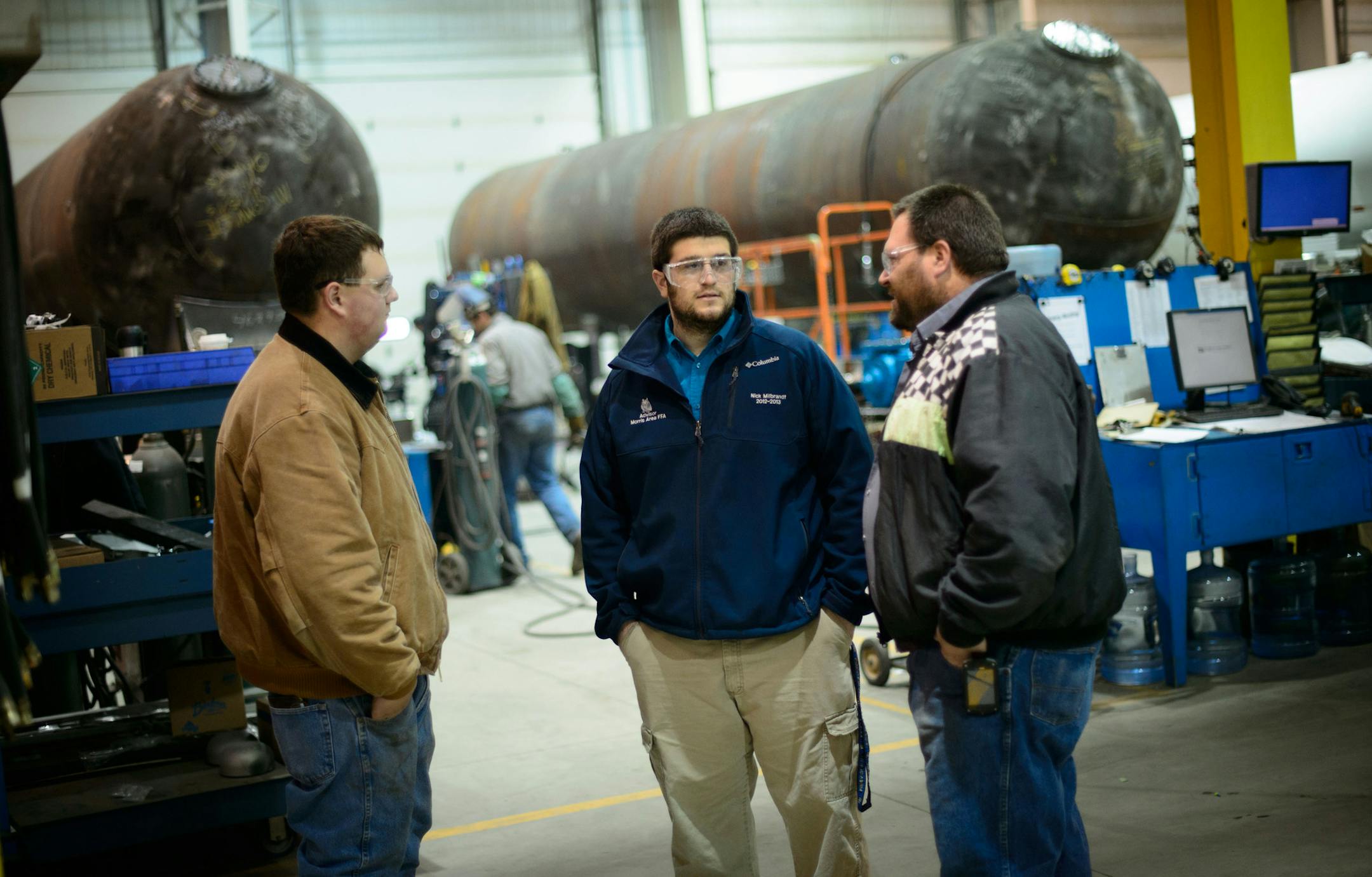
![Natasha Mortenson, agricultural educator at Morris Area High School led a group of students. Ag education teachers are in short supply. Thursday , November 22, 2013. ] GLEN STUBBE * gstubbe@startribune.com](https://arc.stimg.co/startribunemedia/QH6OUAHP54OFUFRSRWFTS7HAI4.jpg?&w=1080)


