I had my own loopy reason for deciding to travel to Croatia. "You will find the god of happiness there, in the town of Trogir," my friend Ksenija told me.
A woman who tends to talk in riddles, Ksenija is also usually right about things, and knows her native Croatia well. So I trusted her.
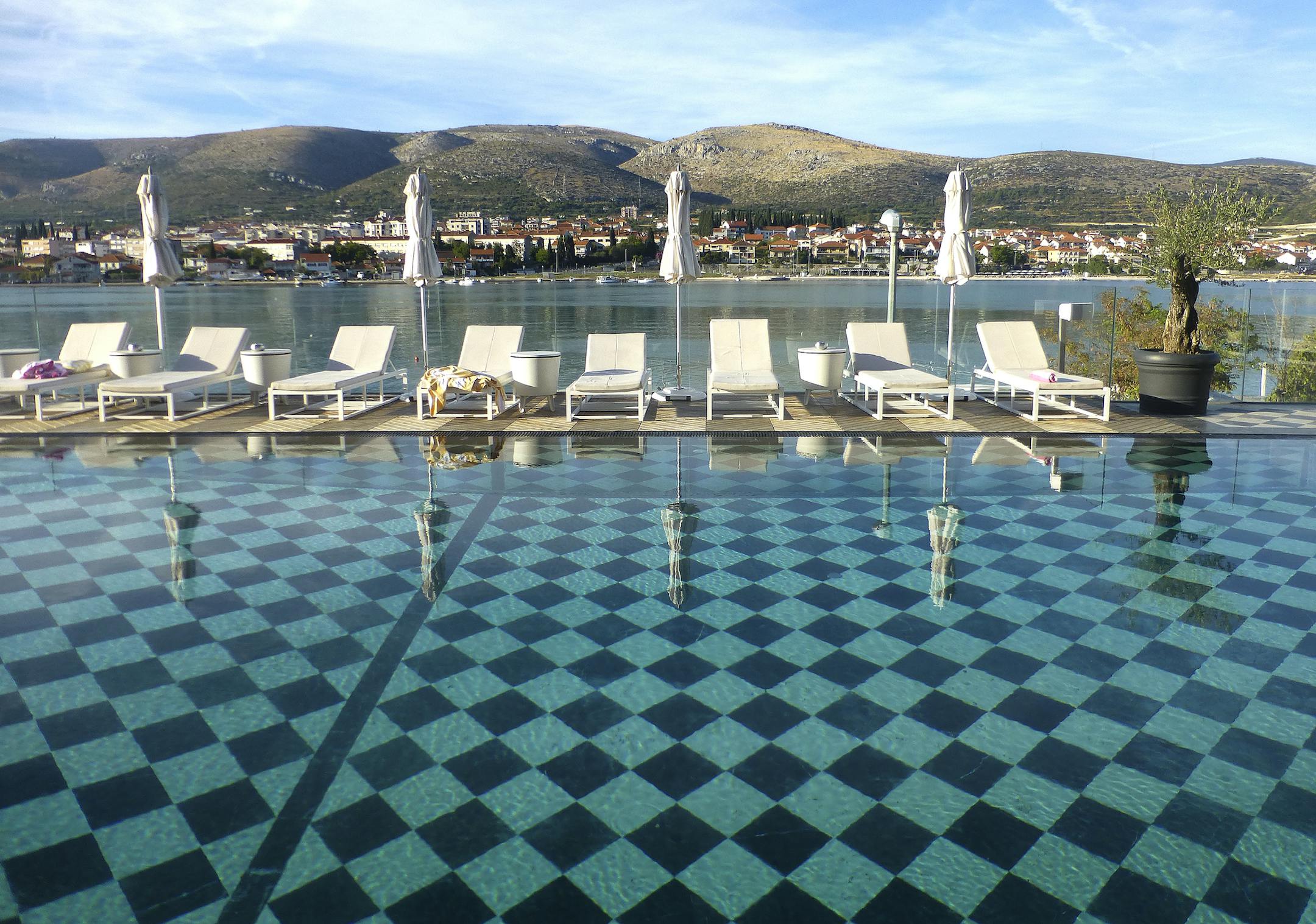
Most people, though, visit the country for more rational reasons. Savvy European travelers have come to view Croatia's Adriatic coast as a balmy, less expensive alternative to crowded Mediterranean retreats; the sun is as steady as anywhere in Italy or Greece and the sense of history just as palpable. And they have been followed recently by the country's new pop culture fan base: "Game of Thrones" obsessives who want to see where all the high-pitched carnage was filmed.
Neither group, I realized after I landed in the country this fall, was going to be disappointed. The chic style-makers looking for a gold coast of sandy beaches, yachting clubs and al fresco cafes will find those in spades along Croatia's coast. The long arc from Dubrovnik north to Split and Trogir is essentially one intermittent resort. And the Gamers will understand immediately why this string of seaside cities made for the best location shots. These aren't just historic towns. Stony, gothic and haunting, they resemble a mythic landscape.
That was obvious as I walked through my first Croatian pit-stop. Dubrovnik is a medieval showstopper; its still intact city walls circle a largely untouched center of cobbled streets and Gothic landmarks.
The word is out. Crammed with enough cruise ship day-trippers to make Venice look like a tourist-free zone, the city has devolved into a selfie-stick war zone. "Game of Thrones" has become pretty much the only game in town. If you're looking for bars pitching Game of Cocktails drinks and shops hawking Jon Snow fridge magnets, Dubrovnik is your telegenic ground zero.
Centuries of history
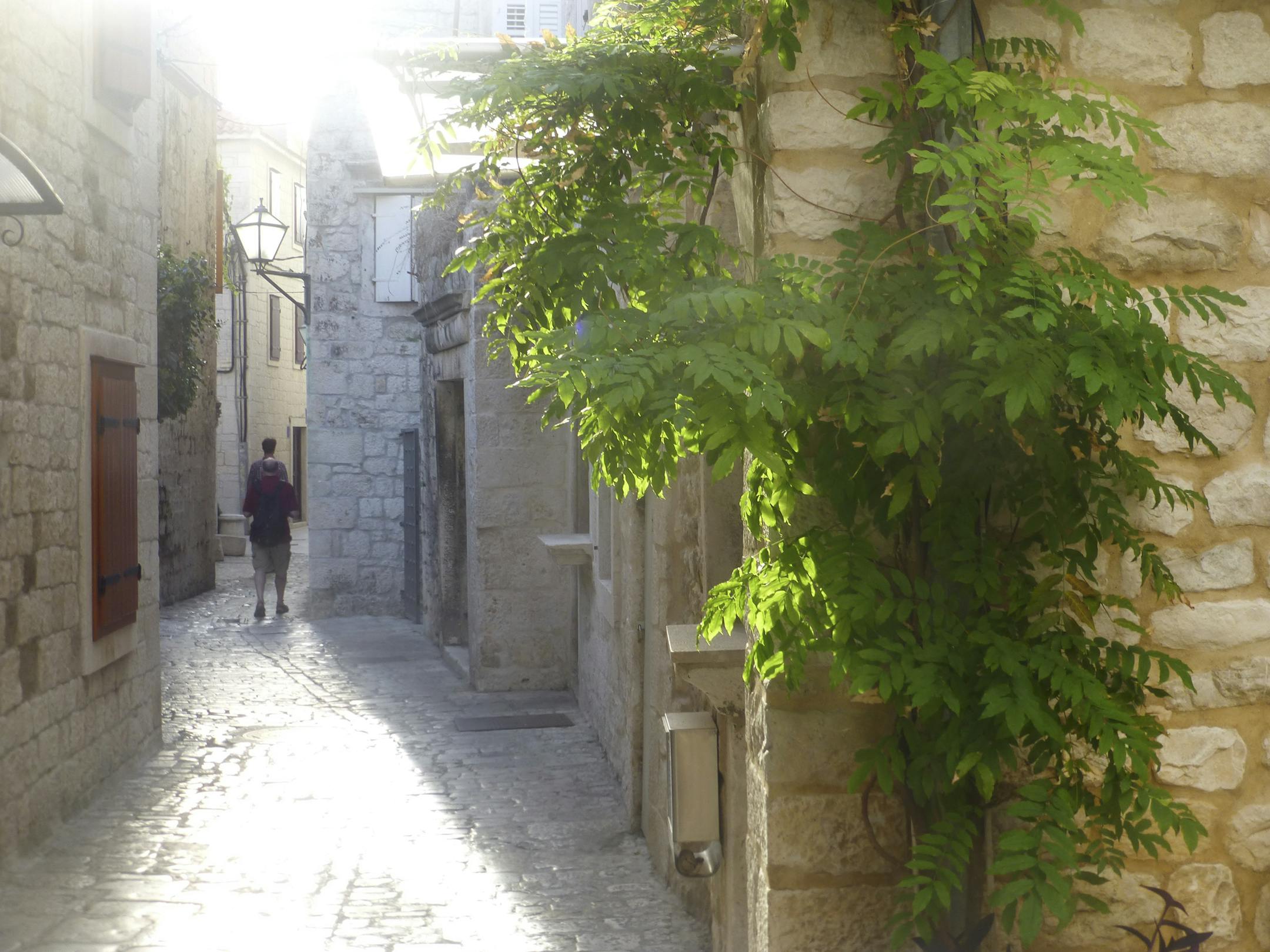
At night, when the cruise ships leave, the city settles back into an authentic dreamscape, but I wanted to find a quieter taste of Croatia. About 140 miles north, Split comes close. While a scrim of brutalist concrete high-rises now fan out from the city's center, Split's historic core is a revelation. Built into the ruins of a sprawling Roman palace, the old town is a duet of classical columns and medieval churches that embrace centuries of history.
But I wasn't ready to stop. Impelled by Ksenija's cryptic promise, I headed another 18 miles northwest to Trogir, looking, as we all are, for happiness embodied. The town came through, if only because happiness, for a traveler, is finding the perfect place to stop.