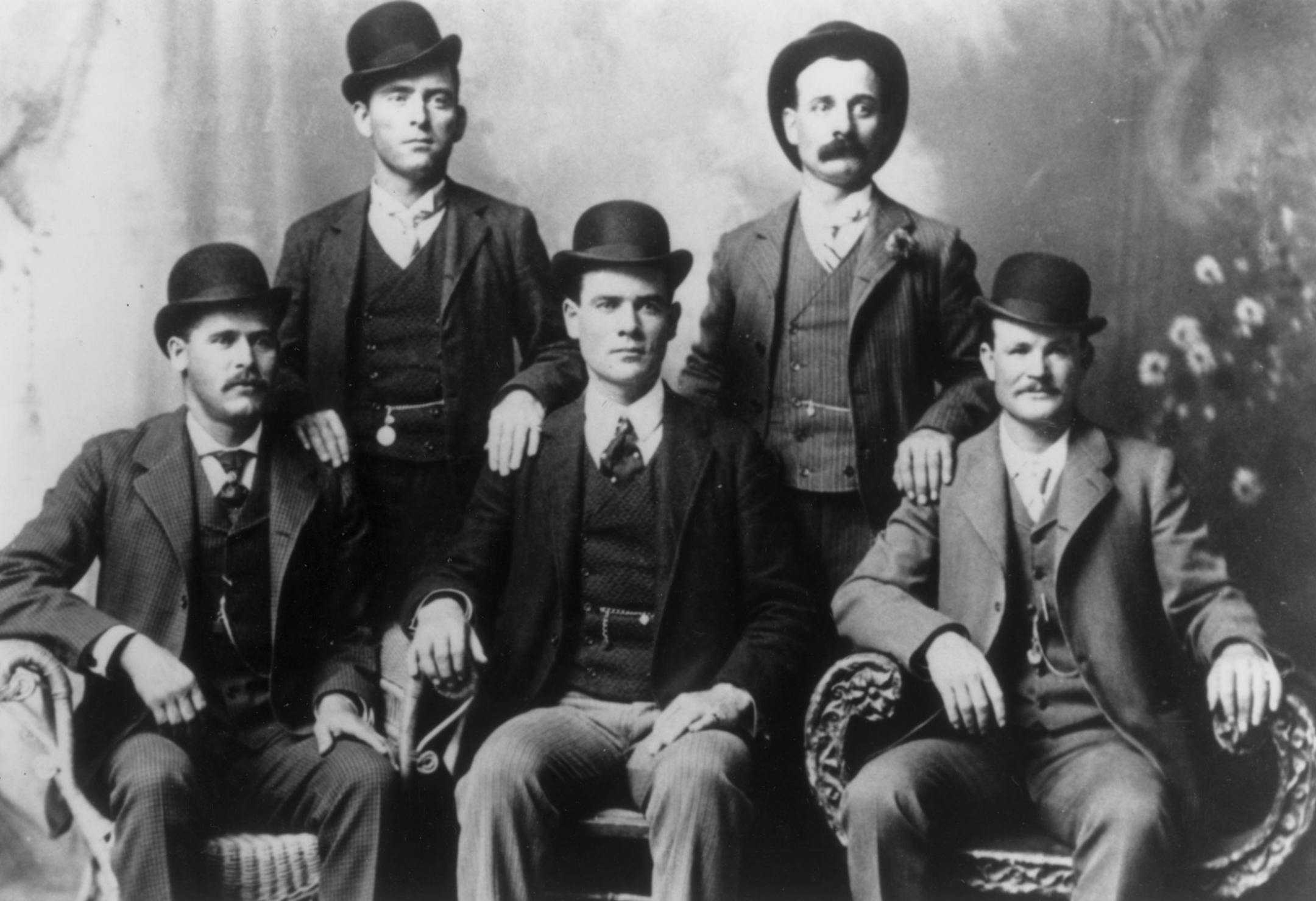
From Bonnie and Clyde to Al Capone, there have been many legendary criminals, and they all had one thing in common: Just like modern-day celebrities, they were the darlings of the media.
Today the media work hard to avoid glamorizing criminals — unless the crook is named Danny Ocean and is played by George Clooney, in which case they can't seem to get enough of him. Of course, we still pay close attention to high-profile trials involving the likes of "Whitey" Bulger and Bernie Madoff, but we no longer consider these criminals folk heroes.
The media didn't always worry about hyping the bad guys. On the contrary, they used to love to dazzle their audiences with tall tales of adventure. And the crooks knew how to use that to their advantage.
Jesse James was a voracious newspaper reader, according to historian Mark Lee Gardner. And the stories he liked to read most were the ones about himself. If the papers weren't writing about him, he'd write to them, often taunting the lawmen who were chasing him.
"He had a huge ego," Gardner said. "When he was with strangers, he would strike up conversations and bring in the James-Younger gang to see what they thought, just reveling in what they were saying."
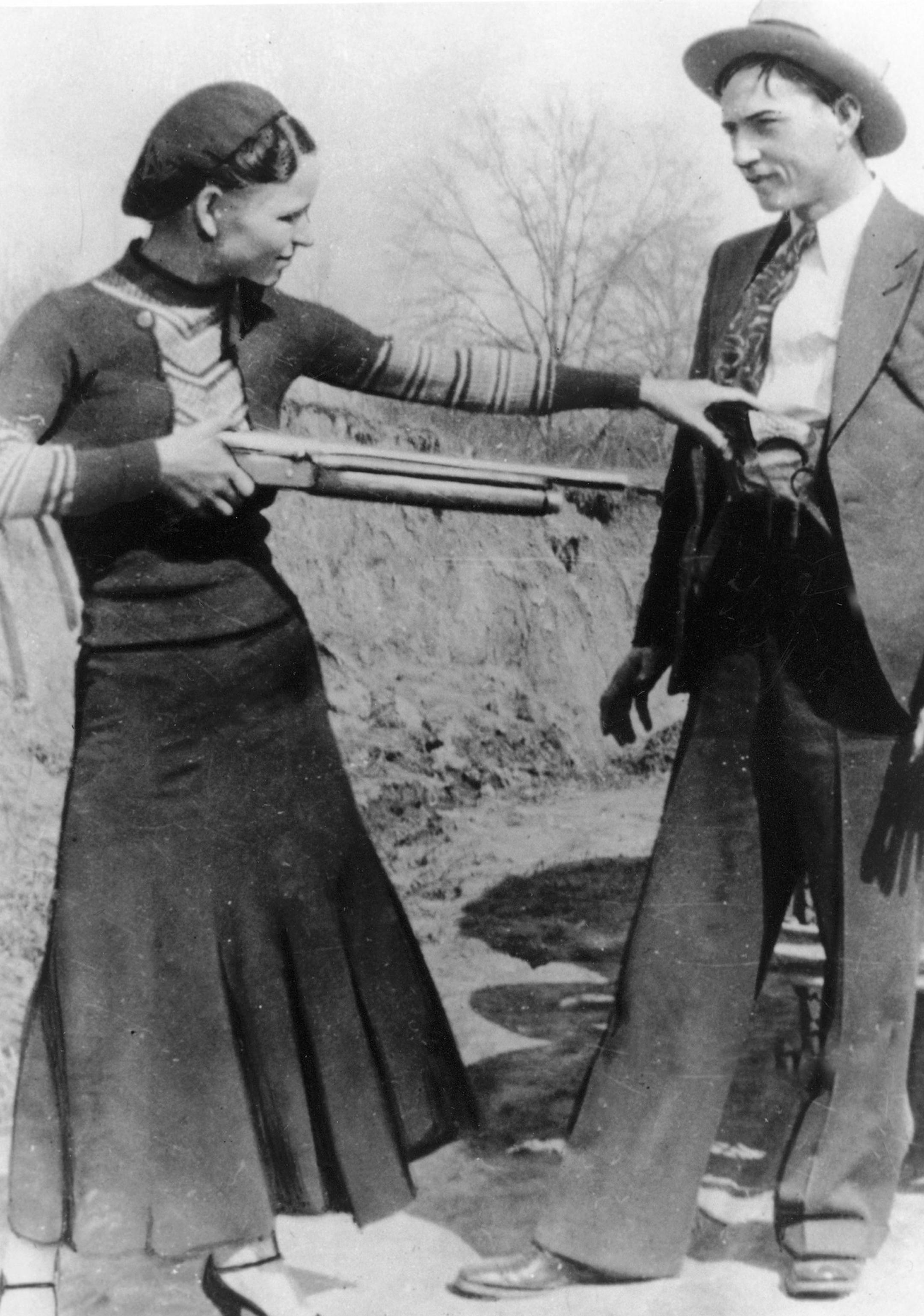
A large ego hardly sets him apart from his famous cohorts. Bonnie Parker of Bonnie and Clyde fame posed for a photograph while wielding a gun and chomping on a cigar. There's no evidence that she ever fired the gun at anyone, and her fellow gang members swore that she never smoked cigars. Nonetheless, nearly every newspaper in the country published the picture.
Butch Cassidy's door to fame opened wide when he was quoted as saying, "The rich are too rich and the poor are too poor." By focusing on robbing trains and stealing mine payrolls, he became a symbol of class struggle.
William Bonney got the name Billy the Kid from the newspapers, and once the moniker caught on, his place in folklore was guaranteed. More of a gunslinger than a thief, he was depicted as the Old West's version of a swashbuckler.