

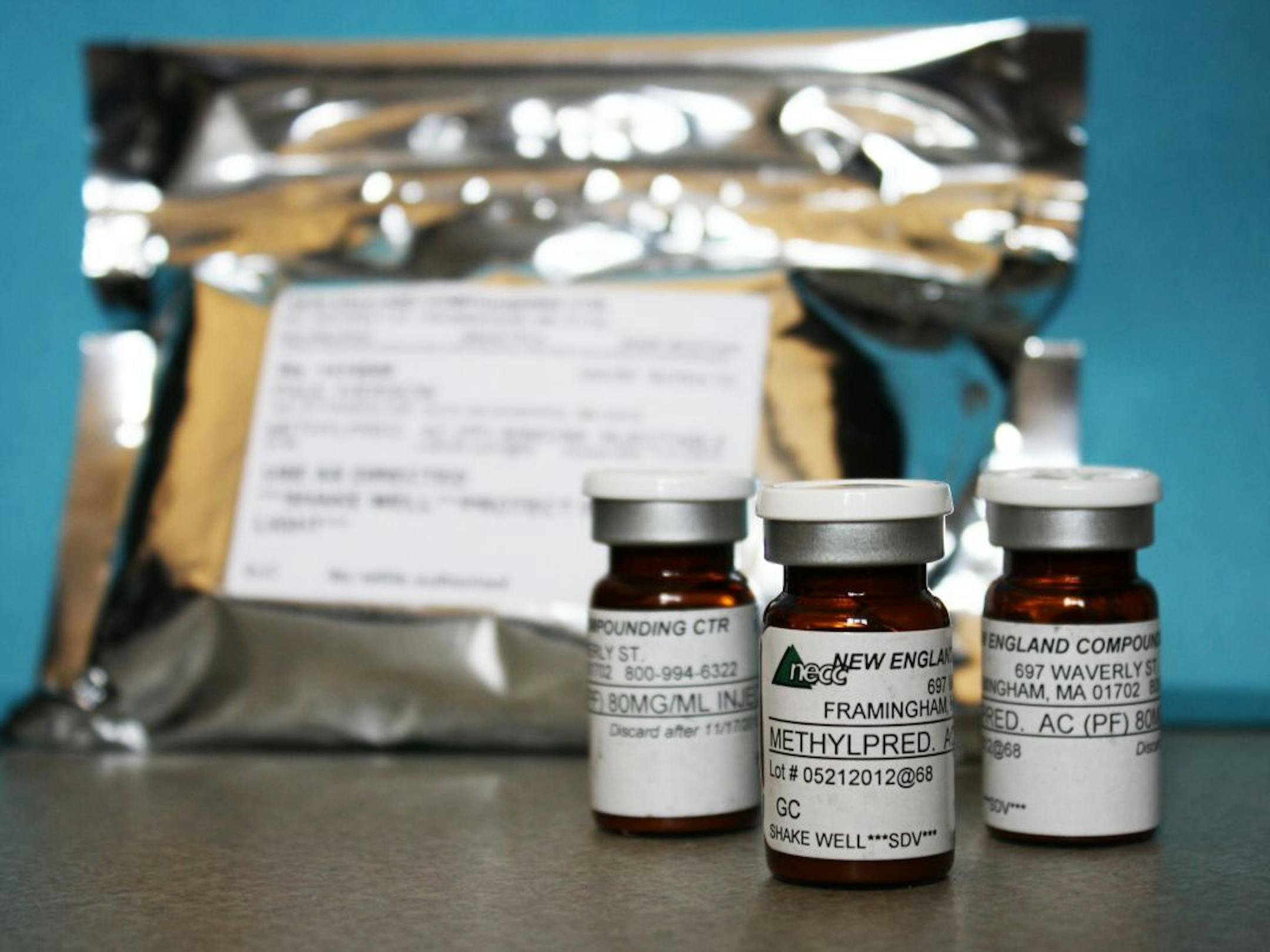
The deaths and illnesses linked last fall to a New England pharmacy operating in the regulatory shadows as a cut-rate drug manufacturer is one of the biggest pharmaceutical public health disasters in American history.
Fifty-one people died and more than 700 developed potentially deadly infections after they were treated at clinics across the nation with possibly contaminated injectable medications made by the Massachusetts-based New England Compounding Center (NECC). Twelve people in Minnesota became ill in the outbreak.
While many states, including Minnesota and Iowa, are moving with laudable speed to strengthen oversight of out-of-state pharmacies that ship drugs into the state, the same sense of urgency is missing in Congress.
That's alarming, because more-effective federal oversight of compounding pharmacies is needed to guard against contaminated products and future outbreaks.
States may not have the resources or expertise to police pharmacies operating more like large-scale manufacturing firms. The failure of Massachusetts to adequately police NECC illustrates this. Other states with the expertise and desire to do so still face the logistical problems and the expense posed by inspecting or otherwise assessing the quality of products from faraway facilities.
It's been six months since the fungal meningitis outbreak linked to NECC was first reported, putting an unflattering spotlight on the $2-billion-a-year but under-the-radar compounding pharmacy industry. And while congressional hearings last fall raised serious questions about the U.S. Food and Drug Administration's authority over large-scale compounding pharmacies, there's been little visible momentum on Capitol Hill to clarify matters.
(While federal officials have clear authority over big drug manufacturers, big compounding pharmacies appear to fall into a gray area because states have traditionally regulated professional practices such as pharmacies. When compounding pharmacies start selling on a much larger scale, it's unclear where that state authority ends and federal authority begins — a situation that's been muddied by legal challenges from the industry and unfavorable court rulings when the FDA has tried to flex its muscle.)
The U.S. Senate committee that oversees the FDA is said to be working hard on proposed legislation. Sen. Al Franken is a member of that committee, and while he has admirably called for reforms, the committee has yet to officially issue even draft text of a proposed bill.


