

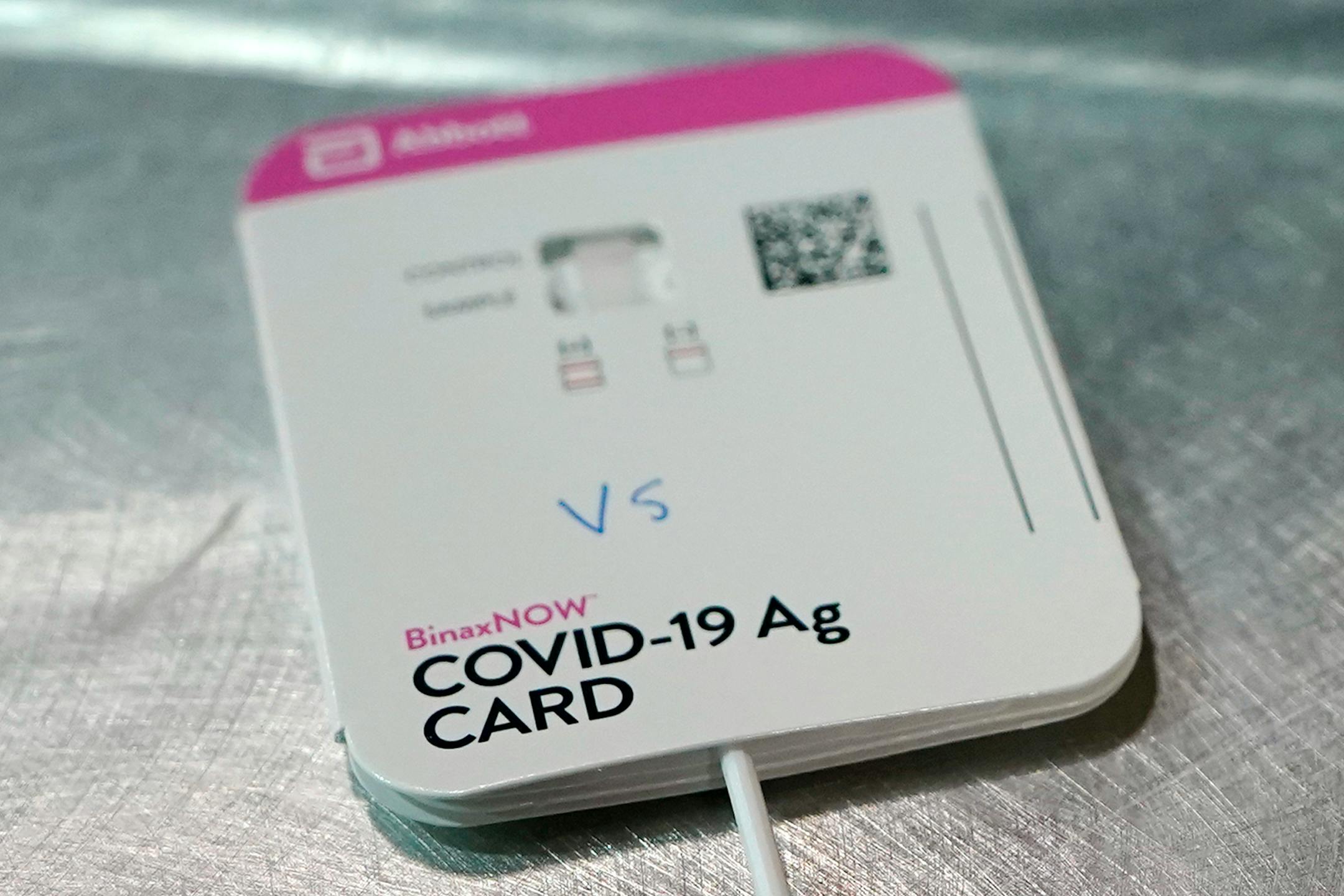
There's reason for optimism on the coronavirus pandemic: The number of new COVID-19 cases is dropping, and 98.2 million doses of coronavirus vaccines have been administered in the United States. But a decline in the number of coronavirus tests being conducted threatens this progress, because those tests are vital to tracing the path and velocity of COVID-19.
The average number of tests being conducted daily to detect the coronavirus in the U.S. has dropped 20% since Feb. 1. At the same time, the nation does not have enough rapid tests to conduct routine testing outside of sites run by local health departments and medical clinics. America needs to expand the nation's testing capacity and accelerate the proliferation of rapid coronavirus tests to overcome COVID-19.
While giving immunizations is vital, we should not rob our existing surveillance infrastructure to do so. As long as the virus continues to circulate at pandemic levels, testing will remain essential, to diagnose and isolate cases and to screen for asymptomatic infections.
The nation reached record highs for daily cases in January, with more than 300,000 cases reported on Jan. 8; last week the seven-day average number of daily new cases was down to 57,400. But as more contagious coronavirus variants emerge and lockdown measures are relaxed, the nation needs to intensify, not scale back, nationwide testing efforts.
We strongly suspect that a diversion of resources from testing to vaccinations may be to blame. Though the number of tests conducted in the country has increased since the beginning of the pandemic, national data show that testing began to stagnate as early as late November. This was around the time America was preparing for the vaccine rollout, and it was well before the noticeable recent decline in cases.
For months, experts have suggested that rapid antigen tests could be a "cheap, simple way to control the coronavirus," as Laurence J. Kotlikoff and Michael Mina argued in an essay in the New York Times last summer. These tests, which are commonly used by professional sports teams and filmmakers to maintain coronavirus-free "bubbles," can be conducted anywhere, require no laboratory equipment and deliver results in as little as 15 minutes. They would allow people to test themselves at home and get results before leaving for work, school or a family gathering.
But these tests are not available in nearly the volume required for this type of screening testing. Nor are they priced at a level that would permit their routine use. Of the authorized tests on the market, the least expensive costs about $5 each. At that rate, conducting one test for each of the more than 50 million students that attend U.S. public schools would cost $250 million.
We need to make these tests more affordable, easier to find and available without a prescription. And testing facilities run by public health departments remain vital for ensuring that all communities have access to free tests. Private providers may not serve all communities, including those that are most vulnerable and have been hardest hit by the virus.


