

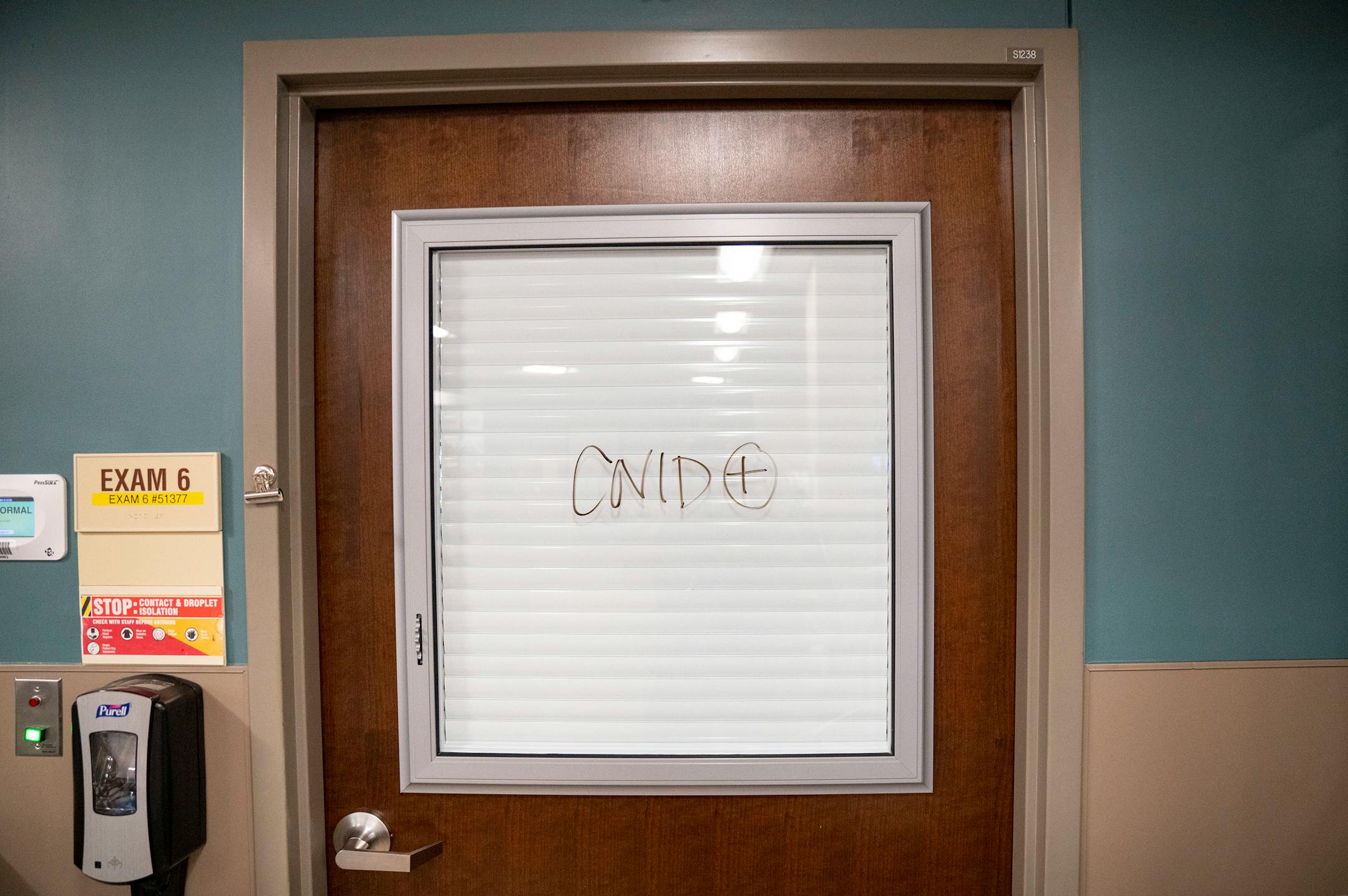
Coronavirus levels in Minnesota have declined this year after a steady increase at the end of 2023 despite the emergence of a viral variant that has been a leading cause of COVID-19 growth worldwide.
COVID-19 hospitalization and death rates remain elevated in Minnesota, according to Thursday’s weekly state update, but health officials expect them to decline if coronavirus levels continue to diminish. Sampling at 38 wastewater treatment plants across Minnesota found increases in viral levels after Thanksgiving, and again after Christmas, but then a 34% decline in early January.
“I think it’s starting to come down right now across the country,” said Michael Osterholm, director of the University of Minnesota’s Center for Infectious Disease Research and Policy. “The real challenge is just interpreting what’s next.”
The state tests wastewater to assess how much coronavirus is in Minnesota, and analyzes lab specimens from a handful of people with COVID-19 to determine which viral variants are at work. The latest results showed startling growth in the JN.1 variant, which caused 1% of Minnesota’s coronavirus infections at the start of November, but 63% by the end of December.
Osterholm said JN.1 caused COVID growth in some parts of the world this winter, because it can evade immunity in people who have been vaccinated or had prior infections. However, he said it surprisingly didn’t emerge in Minnesota and other states until COVID growth was already underway.
Respiratory viruses have caused many surprises like that this winter, he added. Minnesota has shown minimal influenza activity all winter, for example, even in weeks when bordering states and much of the country posted high to very high flu levels.
“It’s humbling. There’s something going on there that we just can’t understand or explain,” Osterholm said.
Minnesota’s weekly influenza update on Thursday showed a decline in flu-related hospitalizations, and a relatively low total of 51 flu deaths this season.


