

AUSTIN, TEXAS – The funeral last month for Jorge Cabrera featured familiar tributes to a fallen officer. Cabrera's flag-draped casket sat at the front of the church, near a large replica of a police badge with black ribbon. The strains of a bagpipe accompanied the entry of a uniformed honor guard.
Cabrera, 42, was a ubiquitous figure in his hometown of Mission, Texas, serving a dozen years as a police patrol officer and traffic investigator. Hundreds paid their respects in person or watched his funeral online.
He didn't die in a crash or a shootout; he succumbed to COVID-19 on Aug. 24, after a 21-day struggle against the virus. Mission Police Chief Robert Dominguez said Cabrera may have been infected while escorting a prisoner.
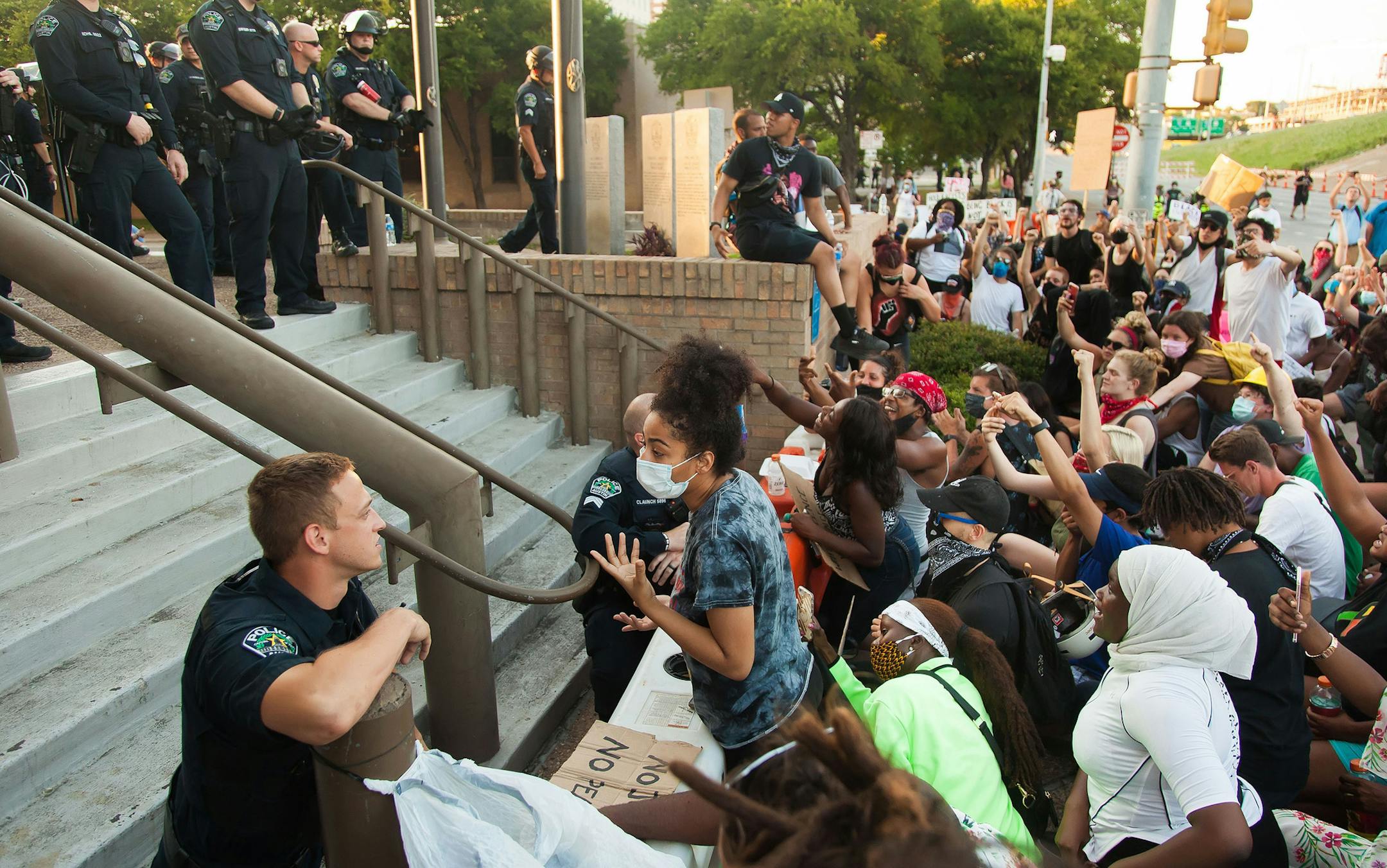
In the seven months since the start of the pandemic, COVID-19 has emerged as the nation's deadliest police killer, felling far more officers than violence or accidents. It also has changed the way police do their jobs, and hampered trust-building measures at a time when many people have taken to the streets to condemn police brutality and racism.
"Given the current climate, community policing is even more important because it allows law enforcement to not have all their hours on the job devoted just to 'crime-fighting,' " said Wesley G. Jennings, a professor of criminal justice and legal studies at the University of Mississippi. "It allows them to get in the community, engage with the community."
But because of restrictions imposed by the pandemic, he said, "regularly scheduled activities where the police and the community would interact ... are not occurring."
In Washington, D.C., for example, community leaders and police officers concede that COVID-19 safeguards have slowed or impeded bridge-building activities in the Sixth District, an area that is predominantly Black.
"Community policing is definitely affected by COVID-19 because of the inability to have face-to-face contact," said the Rev. Dr. Lewis Tait Jr., minister of the Village, a church 5 miles east of the U.S. Capitol that was founded by Tait's father 60 years ago.


