

The COVID-19 recession that flipped Minnesota's state budget this spring from a $1.5 billion surplus to a $2.5 billion deficit hurt personal-care aides who serve disabled and elderly Minnesotans on Medicaid in their homes.
After two years of work, Sen. Jerry Relph, R-St. Cloud, a retired attorney, and Rep. Jennifer Schultz, D-Duluth, a university economist, were shepherding bills to raise the reimbursement rate to home-health agencies that employ the aides, known as PCAs. That would let the businesses raise base pay for aides to $15 an hour in a tough trade that is short of workers.
The measures, which drew bipartisan support and backing from Gov. Tim Walz, were not only compassionate but economical. Without home-health care, many low income patients would go to nursing homes that cost $90,000 or more a year on the public dime, according to the Minnesota Department of Human Services.
"All of a sudden, we ran out of money," Relph said last week. "It's a pretty big lift, a couple bucks an hour times thousands of PCAs is about $300 million [a year]. But it improves the quality of the life for the elderly and the disabled economically, through in-home PCA services that gives them a more independent life and puts money back in the economy by paying more to the hardworking PCAs in their local communities."
Relph also worked futilely to use some of the $841 million in federal CARES Act funds sent to Minnesota recently to cover some of the recession-related spending by state, county and local governments.
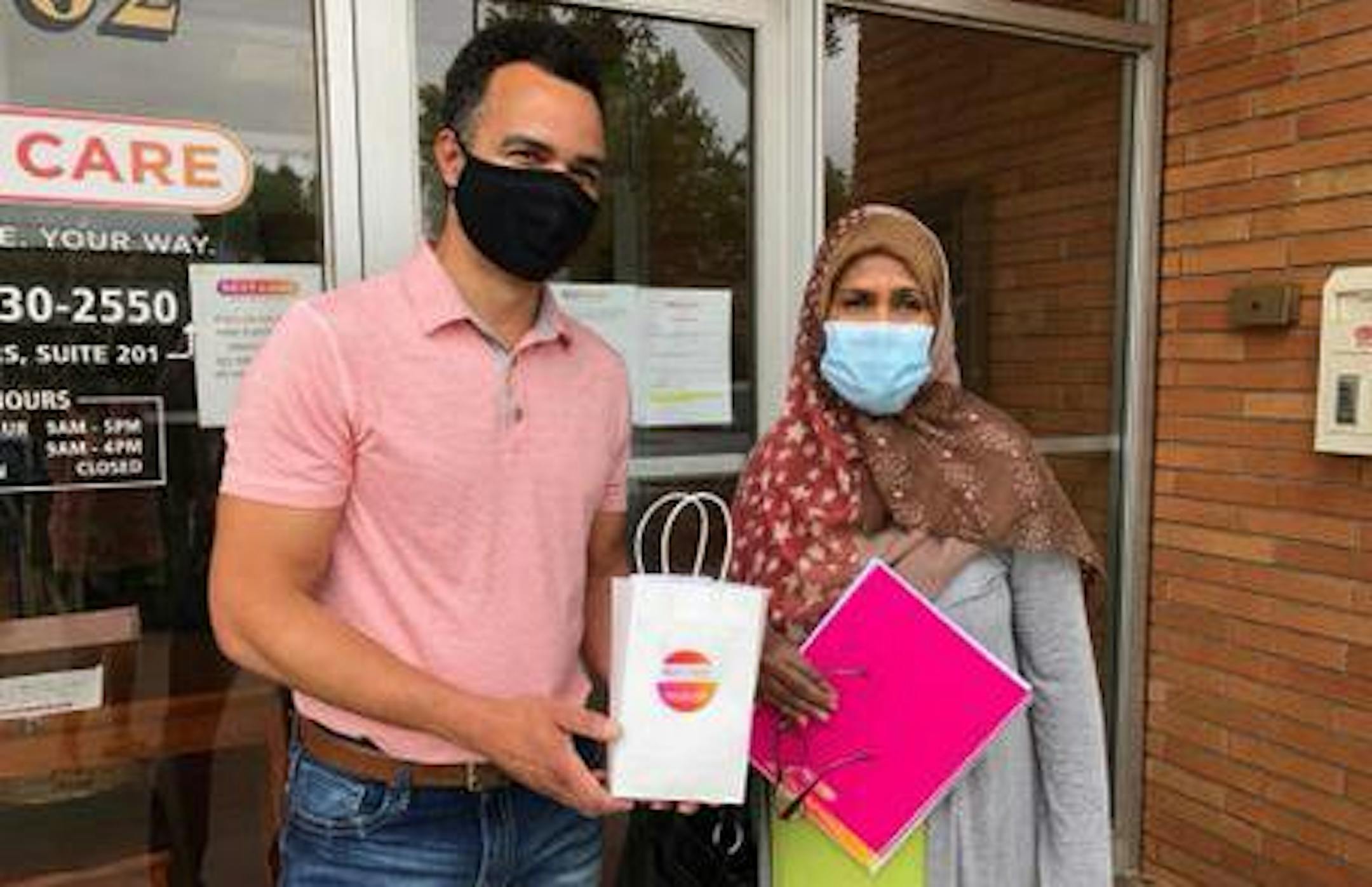
Relph and Andre Best, the founder of 15-year-old Best Care, said that some of the smaller, weaker agencies this year will fail, compounding the worker shortage.
"Between COVID and the riots in the Twin Cities, the PCA program, for the second year, didn't get the attention it deserves," said Best, 46, also an attorney and board member of his industry association.
"We have decided not to limit overtime this year, and we won't have additional workers to pick up the hours, because of the negative impact it would have on our clients," he said. "We estimate more than a $60,000 loss. Many other providers are not in a position to absorb these kinds of losses, so I worry about what will happen to a lot of people."


