Mary Ann Niehoff had waited nearly four months for the chance to scream out a five-letter word.
The opportunity finally came on a bright afternoon last week after group activities — including twice-weekly bingo games — resumed at the New Ulm senior home where Niehoff has been a fixture for the past two years.
The 92-year-old retired beautician, though weakened by months of isolation, let out a cathartic yell of "Bingo!" while waving her sheet in the air. Niehoff won two more rounds of bingo, collecting a banana and 25 cents in winnings, before calling her daughter with the good news.
"For the first time since the pandemic began, I can hear joy and hope in my mother's voice," said her daughter, Kathy Meinhardt of Bloomington. "She's making a comeback."
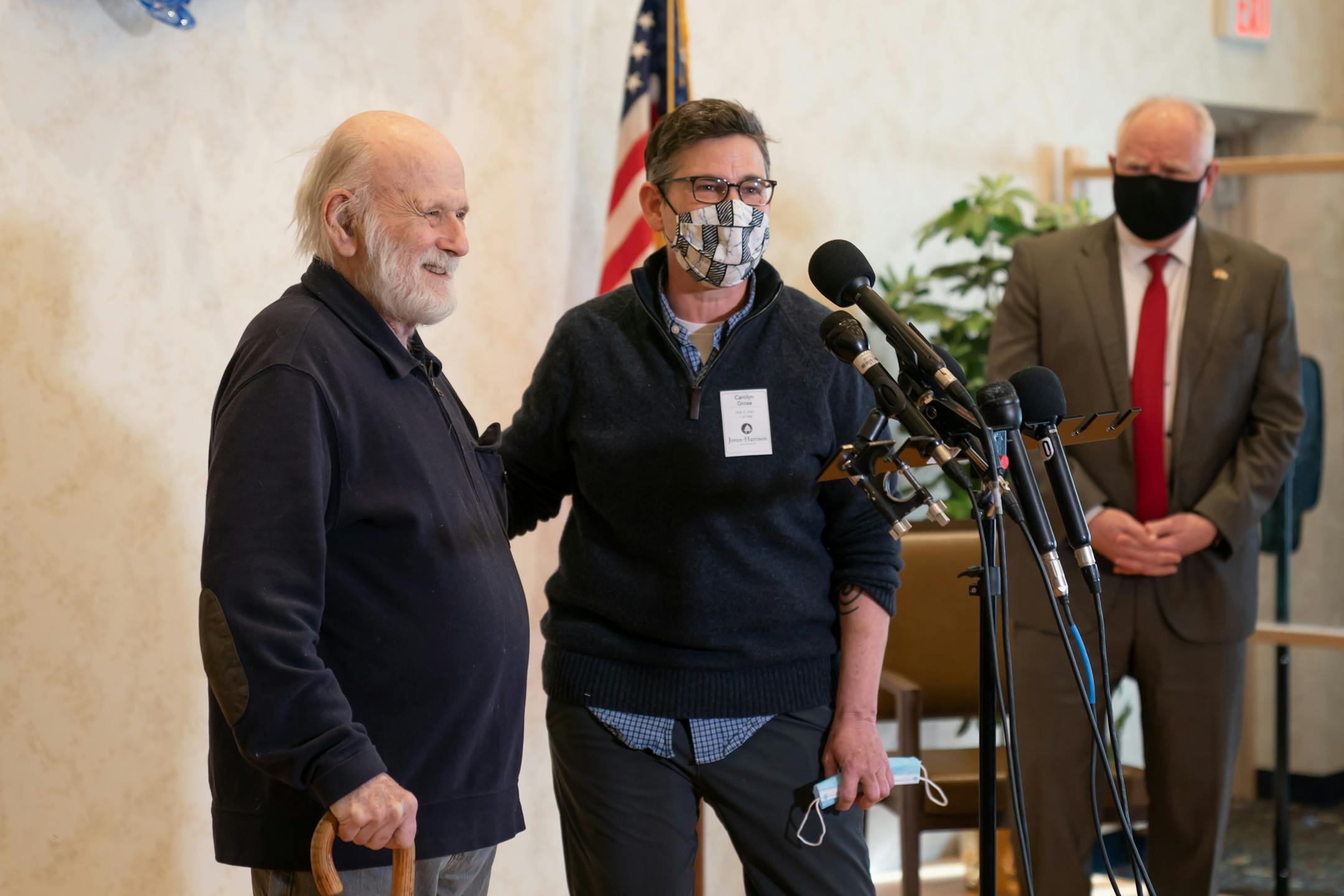
As the rate of new coronavirus cases has slowed and vaccines take hold, life at many senior homes across Minnesota has begun to take small but important steps toward a return to normalcy. Social activities like group exercises, games and communal dining have resumed at many locations with physical distancing still in effect. And facilities have begun to relax strict lockdowns on visits for the first time since late fall, ending months of isolation and enabling families to have face-to-face visits with their loved ones.
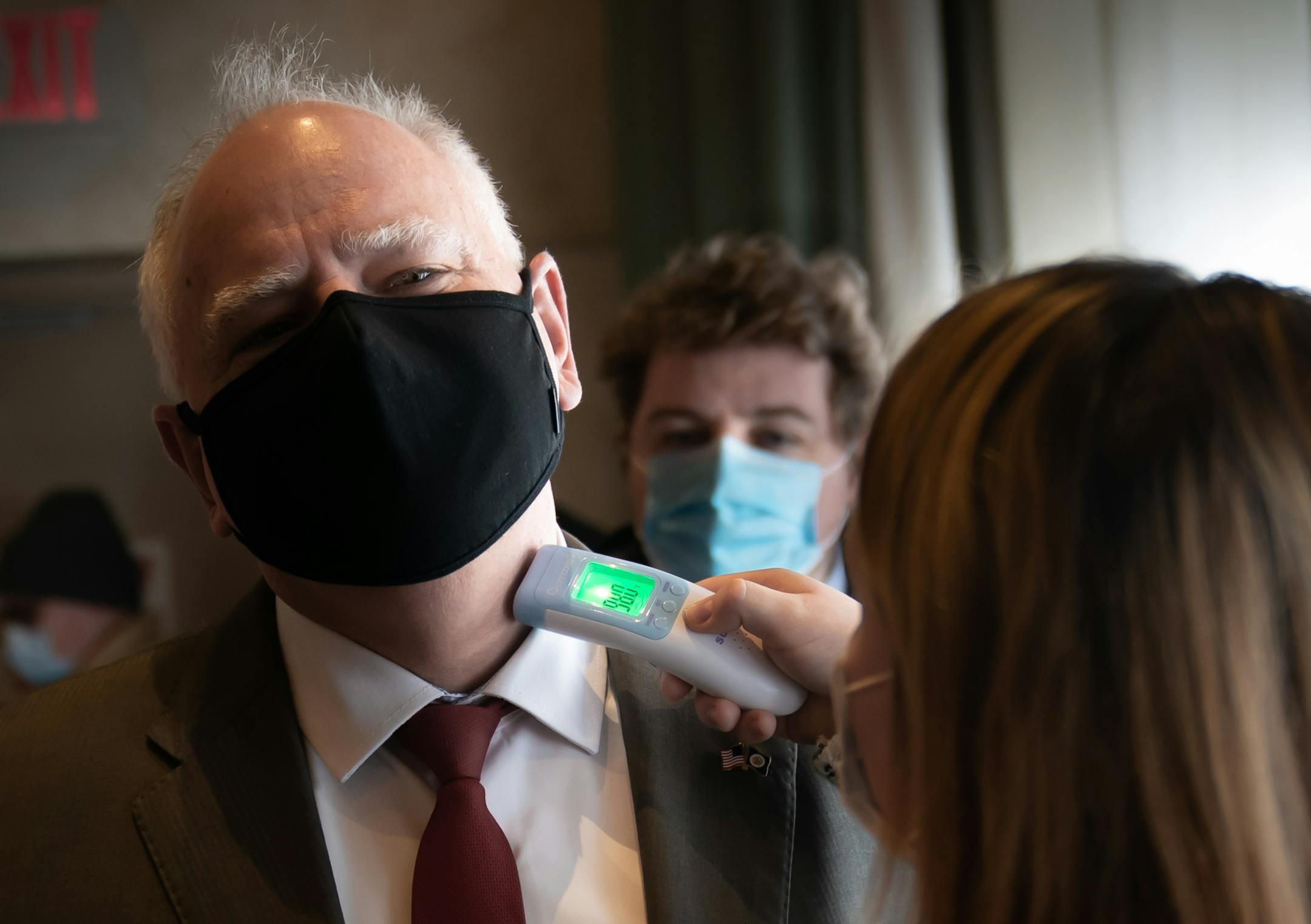
The stark turnabout is the result of a slowing of new coronavirus cases at nursing homes and assisted-living facilities across Minnesota that public officials attribute to the rollout of vaccinations and stronger infection-control efforts. The weekly count of coronavirus cases in long-term care has plunged 90% from mid-November to the last week of January. In just the past six weeks, the number of facilities with active outbreaks of the virus has declined from 802 to 416 facilities, state records show.
The improvements mark a dramatic change from this fall, when rampant community spread of the virus led to a surge of deadly outbreaks. In late November, the pool of nurses and other caregivers became so dangerously depleted from new infections that dozens of senior care providers had to reach out to the state for emergency assistance.
Desperate to contain the spread, many facilities imposed strict new limits on family visits, preventing many seniors from leaving their rooms or sharing a meal with their loved ones over the holidays.