

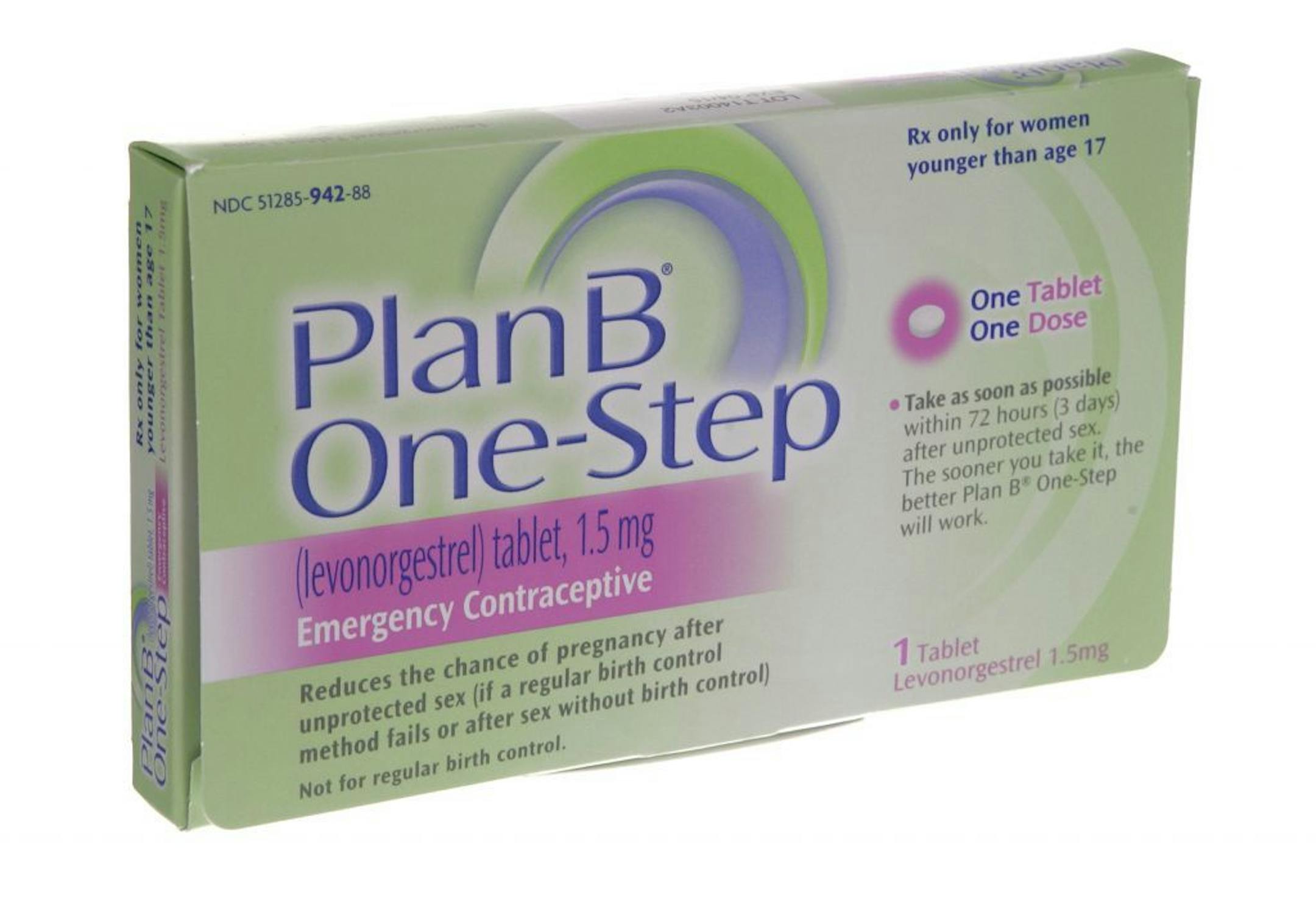
Last year, President Obama failed to reconsider an ill-advised decision to restrict access to the Plan B emergency birth-control drug.
Obama stood by his health secretary's move to keep the drug behind pharmacy counters and unavailable to girls 16 and under without a prescription.
Fortunately, a federal judge in New York stepped in April 5 to lift those restrictions. The judge overturned the ban that prevented females under 17 from purchasing emergency contraceptive pills over the counter.
The decision was a victory for women who need another option to prevent unplanned pregnancies. The ruling also served as a pointed reprimand for a politically motivated decision that set aside sound science and the health needs of young girls in favor of political considerations.
If the administration doesn't appeal the decision, the pill could move from behind pharmacy counters to drugstore shelves as soon as mid-May.
The case involves the so-called morning-after pill, Plan B One-Step, and its generic versions, which can prevent pregnancy if taken soon after intercourse, preferably in the first 24 hours. The pill contains more progestin hormone than is in regular birth-control pills; taking it within 72 hours after intercourse can reduce the chances of pregnancy by as much as 89 percent.
Major medical groups and researchers have long recommended unrestricted access to the pill, but the federal government has resisted for for more than a decade. Finally in 2011, after a careful review of evidence showing that the emergency contraceptive pill was safe and effective and that younger girls could understand how to use it, the Food and Drug Administration approved its use for females of all ages, without a prescription.
But that didn't convince Obama and Health and Human Services Secretary Kathleen Sebelius. The age restriction should stay in place, they argued, because too little research had been done on how the drug could affect preteens or on whether they understood how to use the pills. Sebelius also noted that a small percentage of girls as young as 11 are able to have children and would have access to the pill.


