
Couple help to get Rwanda on healing path

July 18, 2010 at 4:12AM
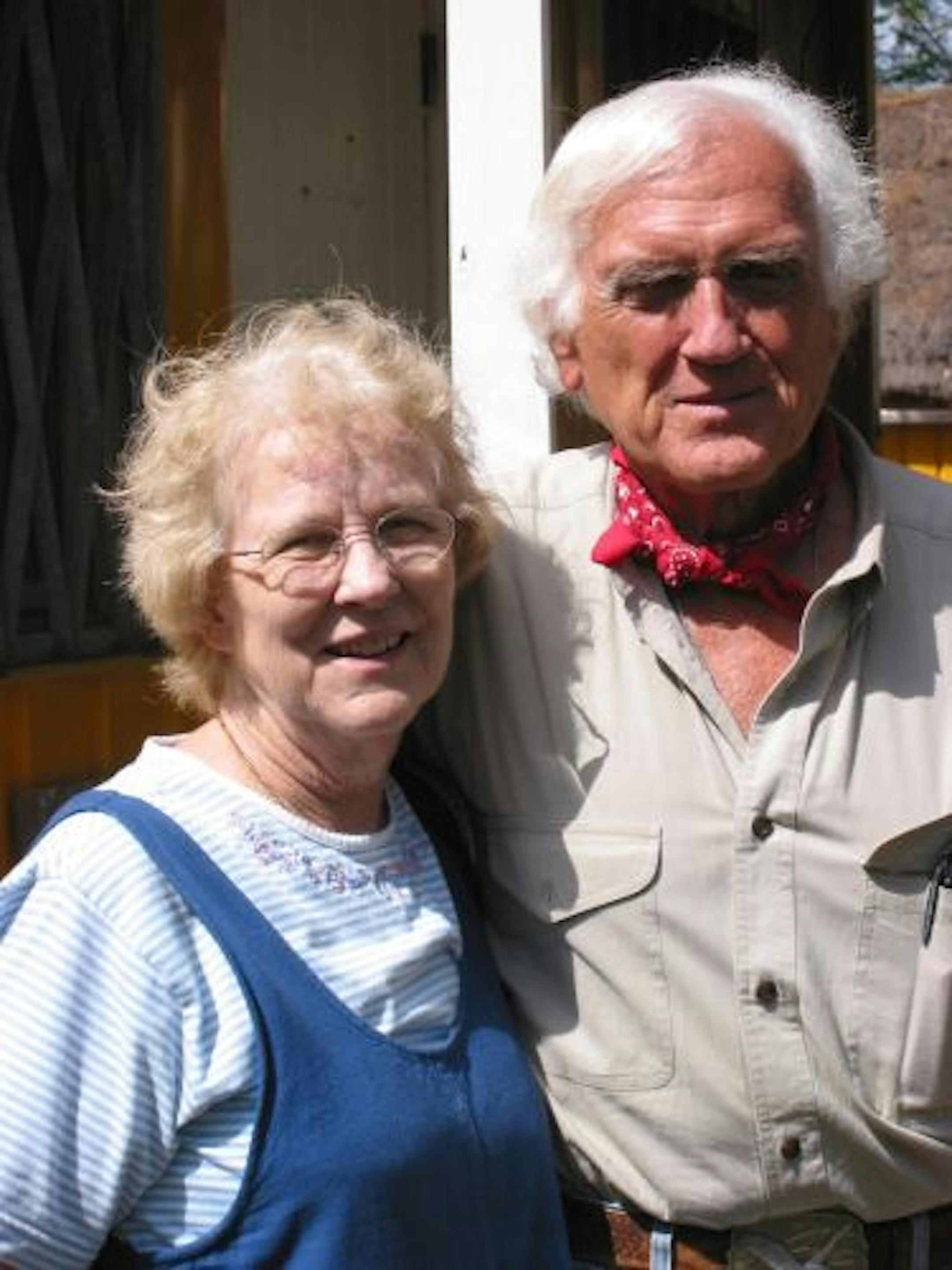
Arthur and Molly Rouner
Molly and Arthur Rouner (Star Tribune/The Minnesota Star Tribune)

The Rev. Arthur Rouner was one of many Twin Citians watching the unfolding tale of Peter Erlinder, the St. Paul law professor imprisoned in Rwanda for 21 days earlier this summer. Unlike most, Rouner's interest is keenly personal.

For 15 years, Rouner and his wife, Molly, have traveled to Rwanda and other African countries as missionaries.

He chooses his words carefully when asked about Erlinder, a 62-year-old human-rights lawyer who questioned the Tutsi government's account of the 1994 genocide by the Hutu majority.

"I hesitate to get into that, because I'm aware that we're all interested, and he's a teacher of law, following a long tradition of defending unpopular people," said Rouner, who led Colonial Church in Edina for 32 years. "But it is possible for a highly educated guy like that to be mistaken."

In Rouner's razor-sharp 81-year-old mind, there is no word but "genocide" to describe the massacre of 800,000 men, women and children in 1994, often at the hands of their own family members.

But it's not horror Rouner wants to talk about. It's healing, once unimaginable in Rwanda, except that he and Molly now witness it all the time.

"Forgiveness is a national policy in Rwanda," said Rouner, reached in New Hampshire, where he and Molly, 79, pretend to vacation but really just keep up their work for their Edina-based Pilgrim Center for Reconciliation (www.pilgrimcenter.org), which they founded 16 years ago.

"There are very few countries in the world that take that on as a policy," he said. "The leaders realized that they had 130,000 people in jail on charges of genocide. It would take 100 years to process them. So they said, 'We have to find a way to forgive.'"

That way was through "gacaca," an ancient system of village justice that includes training young community members as judges. As with all matters involving humans, it is imperfect, with reports from survivors who say they are targeted for giving evidence in courts.

But the success stories are stunning. In one, a man stood beside a woman whose husband he had killed. "Then they sat down together," Rouner said. "She had forgiven him."

The Rouners were invited to do this work by World Vision, jolting them, he says, "out of our suburban comfort." Initial efforts were hit and miss.

"A lot of people from the West were [in Africa] running seminars, but nobody knew how to do reconciliation," he said. "Most of the big organizations were wrapped up in looking for lost children, running clinics, all sorts of important work. But what was going on underneath was hating in their hearts, even among [local] pastors who were preaching the Gospel but who wanted to take revenge."

The couple make at least two trips a year to Rwanda and neighboring Burundi. They and their African-based team leaders have trained more than 9,000 people in their "healing and reconciliation" retreats. Their focus now is on young adults who were children when they witnessed the murders of their parents and other family members.

At a three-day retreat one year ago with youth leaders of Christian organizations, Rouner remembers how the jovial atmosphere quickly chilled. "The student leaders arrived, wearing tight jeans, laughing and joking." Then reality came into focus.

"They are living in a land soaked in blood," Rouner said, "We tell them that people can do things beyond our understanding of logic."

Molly often draws a heart with an X inside it, to represent wounds that the youths likely feel. The heart is quickly filled with many X's. One young man shouted, "That's my heart!" Rouner said. "They realize that they are trapped, that their cherished hurt is killing them."

The Rouners use Scripture and the life of Jesus as touch points and as a way, he said, "to lay out the possibility of forgiveness." They pray together, then each is granted time to speak.

"Friends and enemies in a circle, it's quite something," Rouner said. "It's not all about the genocide, but a lot of it is. How they fled the forest, lying with bodies all around them pretending to be dead. They all want to get on with their lives. They're in the university or have jobs, but they recognize they cannot do any of that unless they get healed in their heart."

By the final morning, the Rouners often see a "big change, a whole new openness to each other and to us."

Twin Cities businessman Ward Brehm, 59, a leader in African humanitarian work, has known the Rouners since Arthur confirmed him at 15. They were reunited in 1993, when Rouner asked Brehm to go to Africa, Brehm said the experience "completely changed my life."

Brehm has watched the couple strap on backpacks, fly economy class for 18 hours, and eat beans and rice "to literally be this ministry of presence on the ground. They walk the talk," Brehm said. "They just give their lives away."

The Rouners plan to return to Africa in October. Arthur laughs at a long-ago suggestion that they might instead prefer a Mexican beach vacation.

"My feisty wife said that's not the way I choose to live my life," Rouner said.

"We both feel that way. It was not a choice to do anything else."

Gail Rosenblum • 612-673-7350 • gail.rosenblum@startribune.com

about the writer

about the writer

Gail Rosenblum

Inspired Editor

See Moreicon