

The impression one gets on reading "Race drives school labels, discipline" (Dec. 15) is that racial profiling of black students by school personnel explains the high numbers of black children found in special-education programs. It is not that simple.
The behavior/achievement gap is a natural consequence of numerous societal factors that have buffeted America over the past 40 years. Economic recessions; the urban crack cocaine epidemic; the dissolution of two-parent families; children living in poverty; handguns in the urban landscape; 25 years of murder-glorifying, misogynistic gangster rap; the digital and media revolution in all its power for good and evil, and the historic echoes of institutional racism all contribute to the special-education realities of American public schools in 2013.
Historically, the achievement gap between white and black students was closing dramatically in American public schools. National Assessment of Educational Progress data show that for 17-year-old students tested in reading, the black/white gap was 52 points in 1975; by 1988, it had been reduced to 21 points.
If that trajectory of progress had been maintained, the achievement gap would have been erased by 1995. Scores for other racial groups in both math and reading followed this same general pattern. Since 1988, the gaps have remained static.
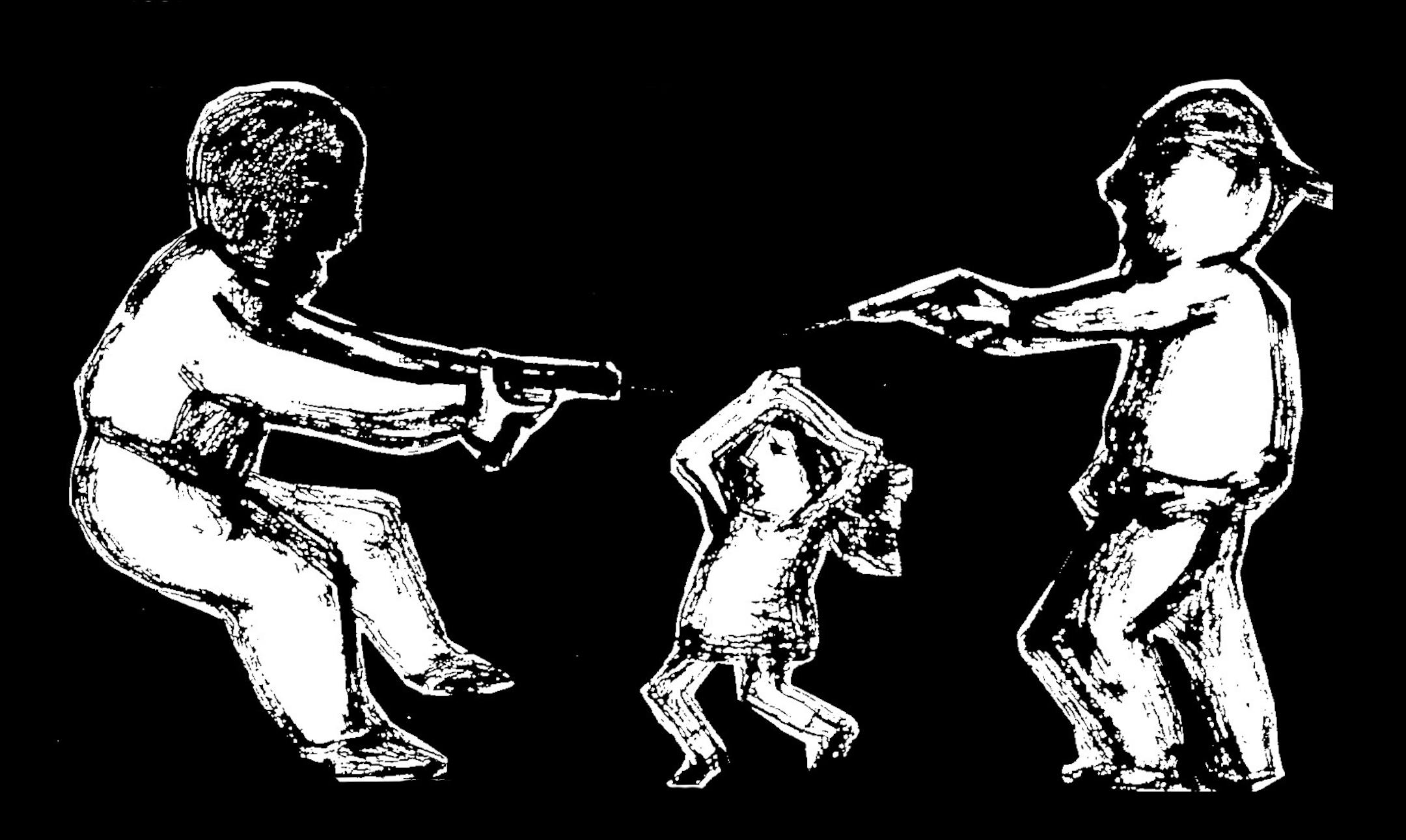
I started my teaching career in Minneapolis schools as a reserve teacher in 1972. I taught science from 1980 to 2012. In my opinion, the social cancer of violence and the debilitating threat of violence has been the major driving force in ramping up the numbers of black students diagnosed with EBD (emotional and behavioral disorders).
No matter how aggressively some seemingly steely tough children navigate their worlds, they are all, at their core, afraid. Every day. Fear destroys the ability to consistently interact with others in a positive manner.
Respect. The majorities of our students, of every skin tone, have learned and practice this important key to positive social interaction. Unfortunately, a large group of our youngsters live in neighborhoods and homes where "respect" carries an entirely different meaning. Most kids diagnosed as having EBD understand the concept of respect as fear. People who have the power to hurt them are to be respected, and people who cannot hurt them are to be used and tormented. It is a survival mind-set.
This perspective results in a pattern of behaviors that are an attempt to maintain one's autonomy in a violent environment. Any perceived disrespect must be swiftly answered with verbal and/or physical violence. One's reputation as "bad" must be defended at all costs. Anyone caught "slippin' " will be "punked" and used by everyone in the " 'hood."


