

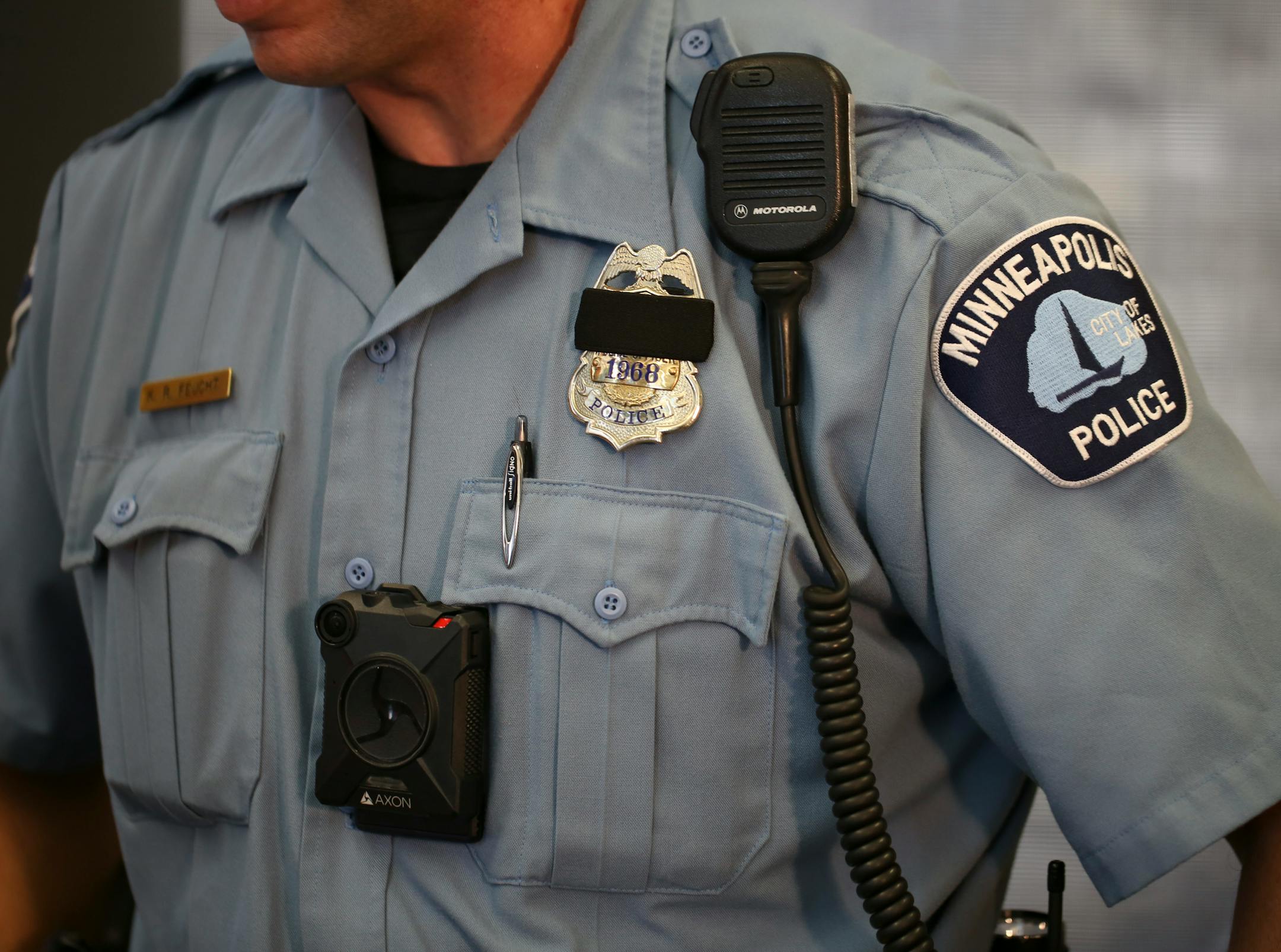
Recent commentaries on Minneapolis policing suggest adding more police ("One nation, under-policed, with injustice for all," Sept. 5) or forging a court order requiring multiple governmental and community entities to enter a compact to "achieve racial justice and equity, reduce crime, increase safety for all and foster trust throughout our community" ("Make consent decrees more than just a plea bargain," Sept. 17).
The first approach is too narrow; the second is too vague and unrealistic. Simply adding more police does not address the need to transform the culture of the Minneapolis Police Department (MPD); yet a grand plan to resolve problems in the MPD by involving multiple parties in a compact is unfocused and impractical.
An approach much more likely to succeed is the model created by the Patten Commission (formally the Independent Commission on Policing in Northern Ireland). It was tasked with transforming policing in the six counties by the Good Friday Agreement in 1998 that resolved "the Troubles."
The Patten Report was released in 1999. It may not appear intuitive on its face that the issues facing the MPD following the murder of George Floyd are comparable to those of the Royal Ulster Constabulary after the decadeslong sectarian violence from 1968-98, during which over 3,600 people were killed by police, military and paramilitary forces. But the MPD has built up decades of mistrust in minority communities comparable if not identical to the effects of decadeslong mistreatment of Catholics in Northern Ireland.
The last 10 years of abuse of minority group members by the MPD are amply documented in the Minnesota Department of Human Rights (MDHR) findings released in June 2022. Earlier investigations, including those in the 1960s, '70s, and '80s, documented previous decades of similar abuses.
The issues facing the MPD are significant, but no more formidable than those in Northern Ireland in the late 1990s.
Mayor Jacob Frey has repeatedly proclaimed that Minneapolis will be a role model for policing reform. He has often quoted J. Scott Thompson, former president of the Police Executive Research Forum and former Camden, N.J., police chief who transformed policing there, "Within a police department, culture eats policy for breakfast." The MDHR findings also concluded that "without fundamental organizational cultural change, reforming MPD's policies, procedures and trainings will be meaningless."
Yet, to date, there have been no recommendations that address changing the culture of the MPD.


