

Opinion editor’s note: Star Tribune Opinion publishes a mix of national and local commentaries online and in print each day. To contribute, click here.
•••
If there’s one thing that Minnesotans agree on, it’s the importance of strengthening the North Star State’s forest products sector and maintaining good-paying jobs for state residents.
However, extended producer responsibility policies, or EPR, under consideration in both the Minnesota State House and Senate threaten the number of vital forest products industry jobs in the state. If adopted, the packaging waste and cost reduction act (HF 3577/SF 3561) would significantly impact this important element of Minnesota’s economic success.
EPR is a sustainability policy concept that mandates brand owners, producers and material manufacturers pay for end-of-life costs of recyclable products. Proponents argue that this model improves recycling rates for materials that are difficult to recycle or lack robust end market demand, like paint, mattresses or batteries. But EPR policies can set back recycling progress for highly recycled materials, like paper and paper packaging products, by curbing voluntary investments that have made paper recycling such a success.
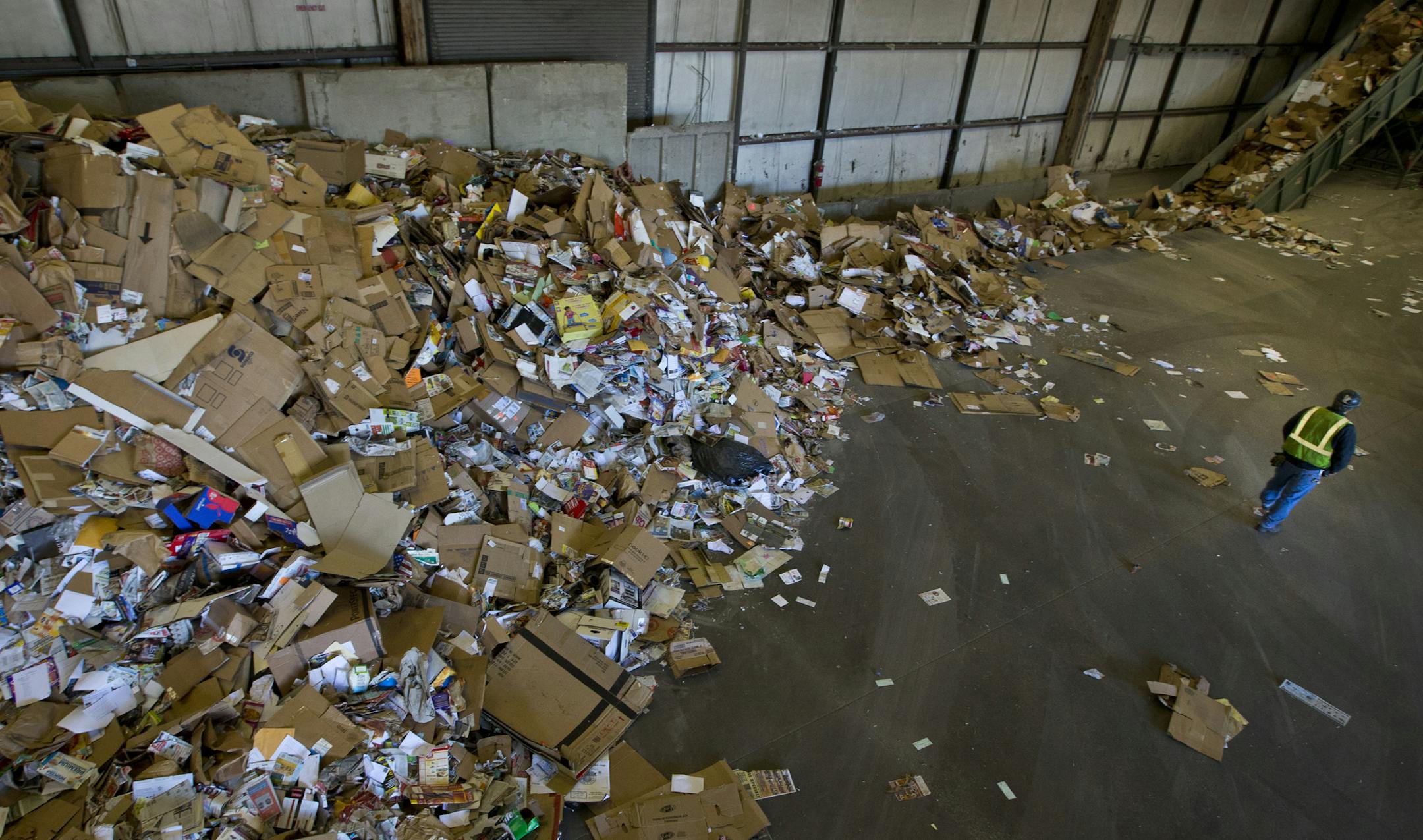
Data from both the U.S. Environmental Protection Agency and the American Forest and Paper Association show that paper is highly recycled in existing recycling systems across the country, including Minnesota. More paper by weight is recovered from municipal solid waste streams for recycling annually than aluminum, glass, steel and plastic combined.
In 2022, 68% of paper was recycled in the U.S., underscoring the success of our paper recycling system. Minnesotans played an important part of this success, with 81.4% of the population connected to the paper recycling system via curbside recycling programs.
Yet lawmakers in St. Paul have proposed a one-size-fits-all policy that incorrectly ignores these statistics and takes aim at industries that are helping to create good paying jobs and deliver lasting sustainability outcomes (“Minnesota has a growing trash problem,” Opinion Exchange, March 19). That’s bad news for Minnesota, whose forest products sector generates over $103 million annually in state and local taxes.


