

As someone who served for seven years as minority leader in the Minnesota House and eight years as speaker, I know firsthand how challenging it can be to navigate divided government ("The perils of being a House speaker," Lori Sturdevant column, June 19). Minnesotans have a long tradition of asking both parties to come to St. Paul to share power, compromise when necessary and ultimately do what they feel is in the best interest of Minnesota.
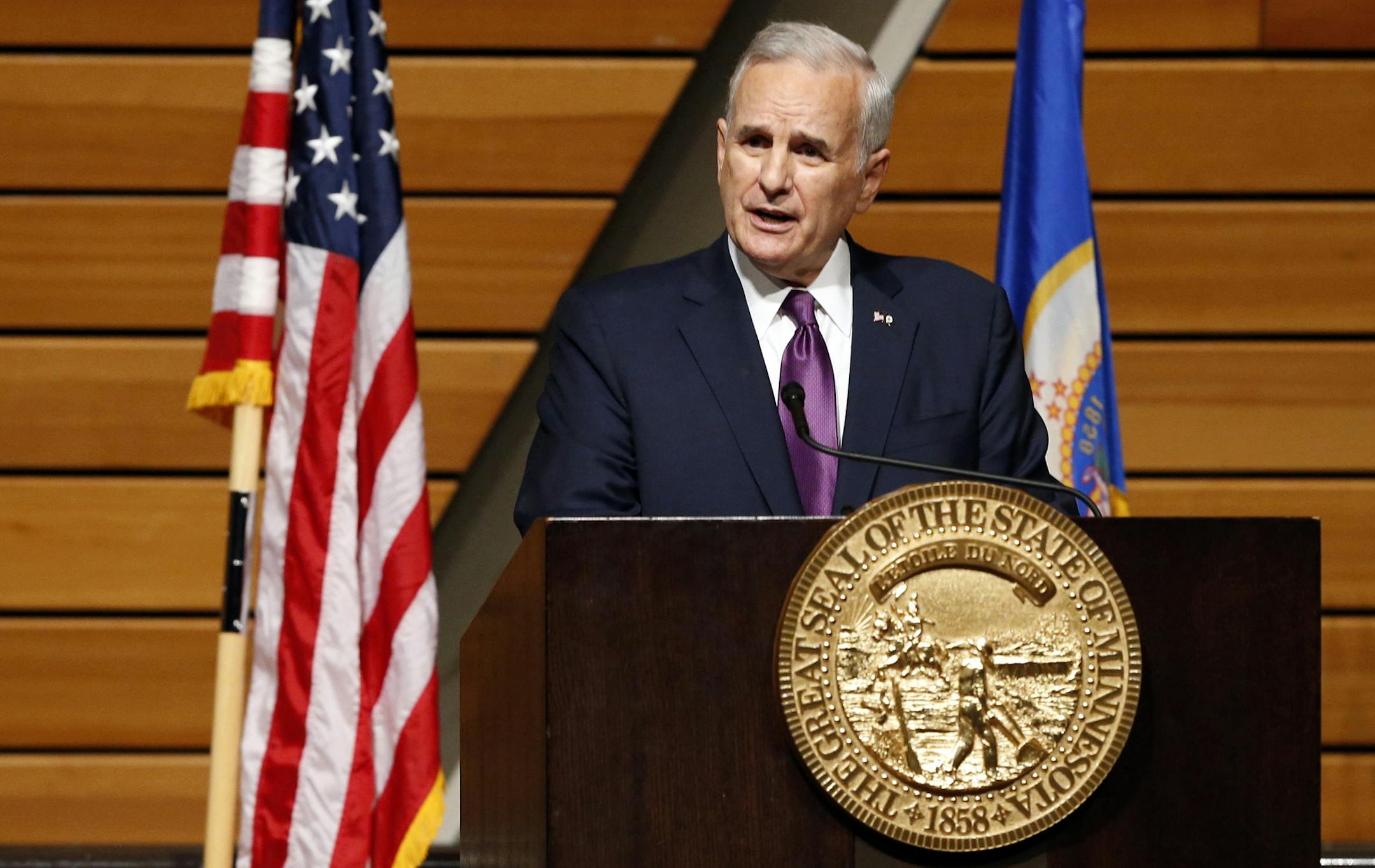
To this Capitol observer, it is Gov. Mark Dayton's ever-changing list of demands and politically motivated vetoes that have kept 2015-16 from being one of the most productive bipartisan two-year sessions in recent memory.
Speaker Kurt Daudt has done an admirable job finding areas of agreement, working with legislators on both sides of the aisle and overcoming a governor who refuses to meaningfully engage in the legislative process until the last moments, scuttling bipartisan compromise and putting politics ahead of what's best for Minnesotans.
In 2015, Republicans and DFLers worked together to pass a responsible, bipartisan state budget that kept spending in check and invested in shared priorities. As a former teacher, I was pleased to see legislators pass the largest investment in K-12 education in a decade. Furthermore, legislators enacted historic, Republican-led nursing home reforms that will improve quality of life for our chronologically gifted loved ones across the state.
This past session, Daudt and House Republicans (with the votes of a majority of DFLers) successfully fought for and passed a compromise tax relief bill that would have sent $800 million back to hardworking middle-class Minnesotans over the next three years, including tax relief for our farmers, families dealing with high child care costs, graduates making student loan payments, and more.
That bill earned the support of 89 percent of the Legislature.
In a move that stunned most Minnesotans, Dayton vetoed the bipartisan tax relief bill over a drafting error that nearly everyone agreed could be fixed without a special session.
The governor promised not to hold up middle-class tax relief for "other considerations" but now refuses to call a special session until his other new demands are met. He handed legislators a list of more than $180 million in new spending requirements, including a funding mechanism for controversial Southwest light rail, stating that it was all or nothing. Fifty percent of the bonding bill was made up of his own administration's priorities with every single agency receiving its top request, but it apparently wasn't enough.


