

I congratulate John McClay for finding a tool that helped move him away from cigarettes ("E-cigs help rid the world of smokers," Dec. 8), which are truly among the most damaging inventions in human history.
McClay does not mention whether he has a medical or scientific background, but some of his claims are mistaken, or at least premature. The role e-cigarettes have played in recent smoking declines can't be known yet. Research shows that smoking reductions historically are caused by many combined factors, such as smoking bans and tobacco tax increases, over very long periods of time. To attribute all declines since 2005 to e-cigarettes is a serious overstatement — especially since cessation science has not suggested e-cigs are particularly effective as quit aids.
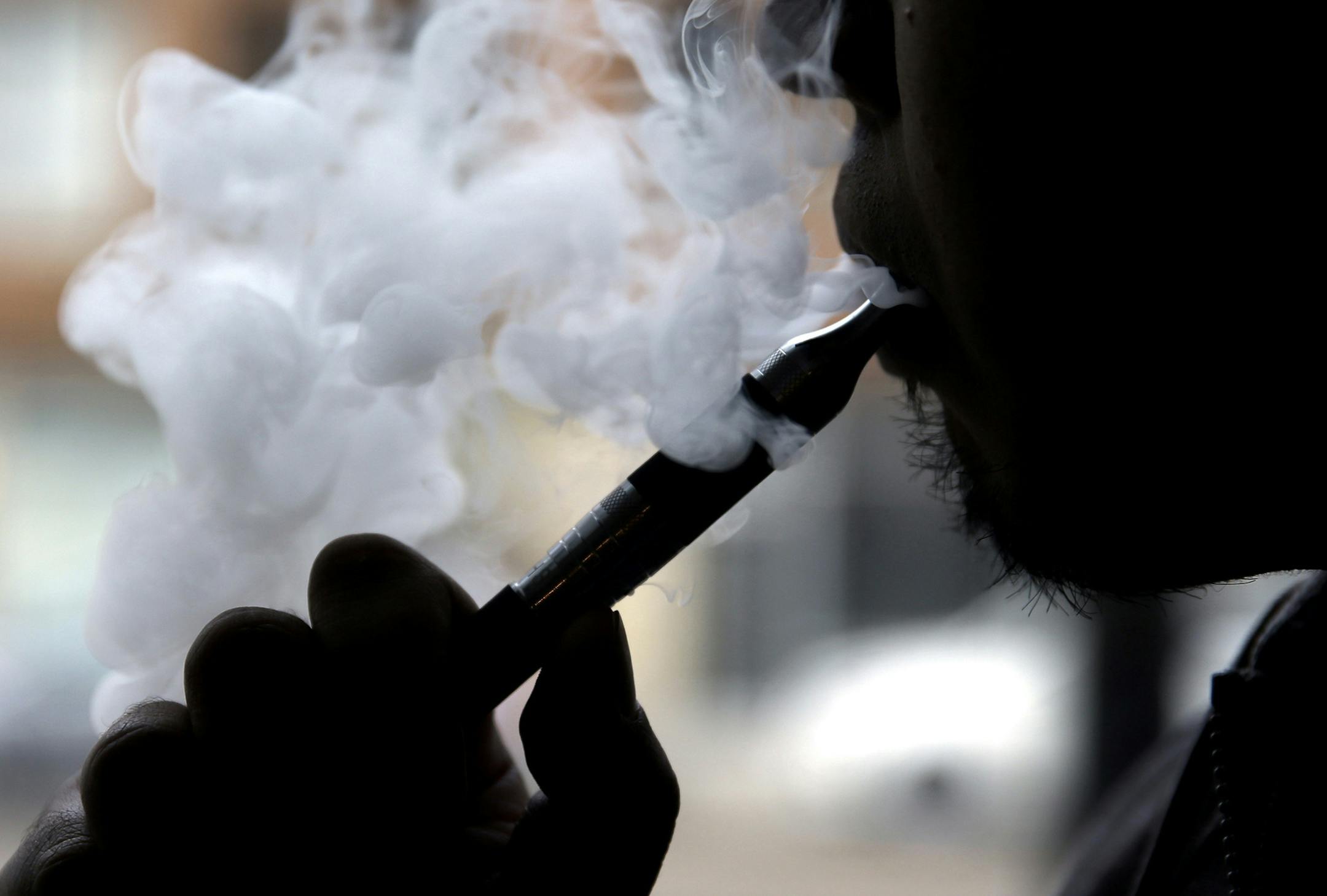
Most e-cigarette users, contrary to McClay's claims, are not former smokers, but rather people who are still smoking. This raises concerns about what we call "dual use" or a combined addiction that makes it harder, not easier, to break away from tobacco.
McClay may prefer e-cigarettes to cessation medications, but the fact is that medications, when combined with expert counseling, remain the most effective treatment for breaking tobacco addiction successfully. In Minnesota, the combination of medicine and counseling is available for free through the QUITPLAN program.
McClay says that his e-cigarette vapor is "just that — vapor" and that his "lungs are happy." E-cigarettes do contain fewer carcinogens than conventional ones, but the jury is far from in about their long-term effects. We know the vapor does contain carcinogens, toxic chemicals and particulate matter. It isn't simply water, and the health effects of breathing it for users like McClay, and for anyone exposed secondhand, won't be known for many years.
It is on these grounds that public e-cigarette use was recently prohibited in Minneapolis, Bloomington and many other communities around the state.
(None of these policies, it should be pointed out, prevent people from using e-cigarettes as part of their quit attempt.)
Again, I congratulate McClay for quitting smoking, but I urge smokers to be conservative when attempting to quit and to try tools that are proven safe before ones that may have long-term unintended consequences.


