

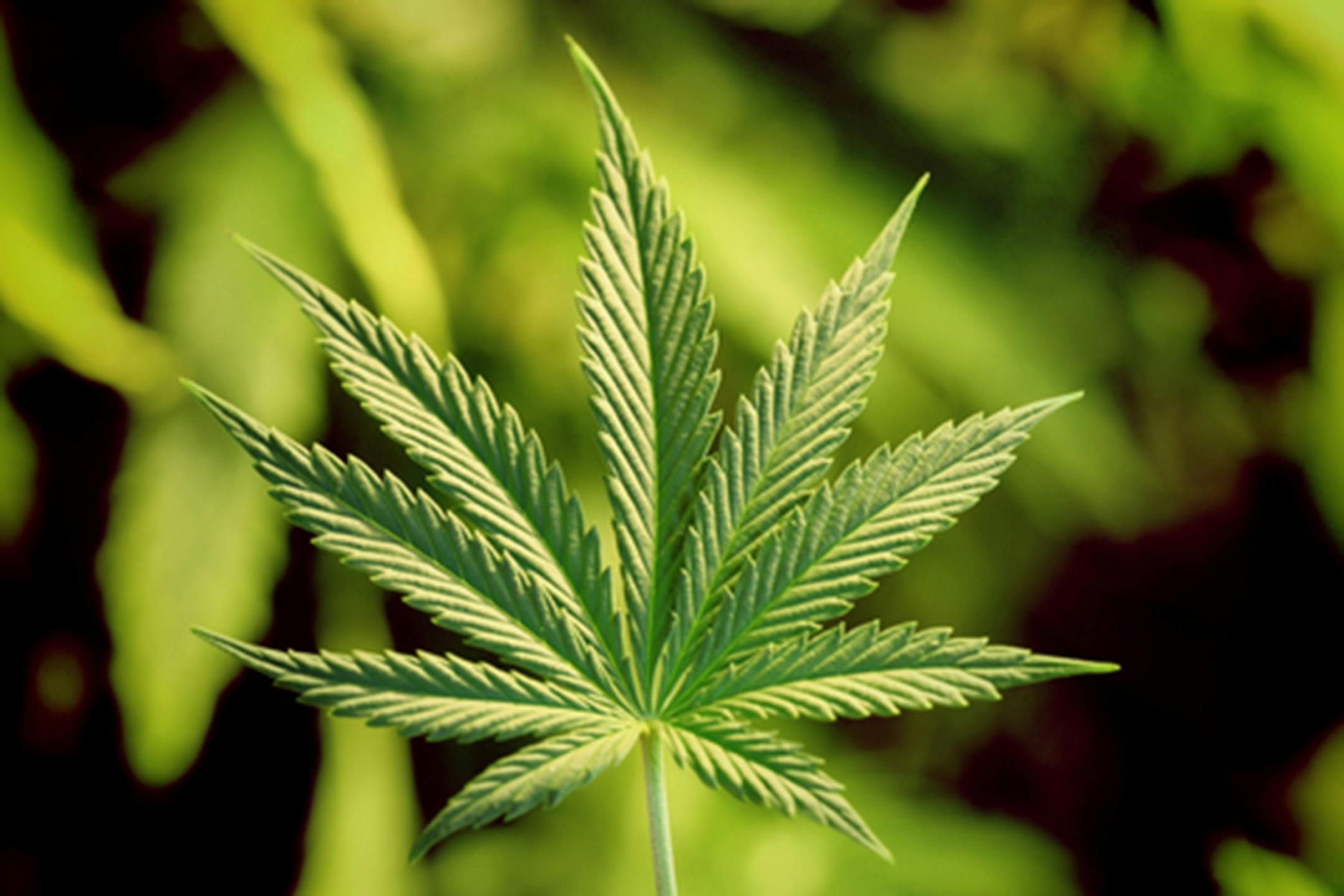
Veterans who take up weapons and risk their lives to defend our country far too often face post-traumatic stress disorder (PTSD), disabilities, chronic pain, suicide and addiction when they return.
As a 10-year veteran and founder of Minnesota Veterans for Cannabis, I talk to veterans every day whose lives have been changed by putting away pill bottles and seeking care from cannabis instead.
We know there's a plant that can provide nonaddictive, affordable if not free care for veterans. As many as 7 in 10 people suffering from PTSD are getting relief from cannabis, but because the Veterans Affairs Hospital (VA) can't legally prescribe it, and the fact that the state program is dysfunctional, many veterans are made into criminals when they access it. It's because of this that many of us feel our concerns and our health needs are being ignored.
Between 2004 and 2015, I swallowed just shy of 100,000 pills in the form of antidepressants, opioids, muscle relaxers, benzos, anticonvulsants and sedatives in order to cope with physical and mental-health issues as a result of my service and a training accident that led to several spinal surgeries. We have to be open to a better system of care.
Unfortunately, my story isn't unique. Veterans face addiction at unacceptable levels. In 2016, the VA treated 68,000 veterans for opioid addiction, and the actual number of veterans facing addiction and alcoholism is likely much higher.
Fortunately, cannabis has a legitimate place in treating our veterans. Within two years of legalizing cannabis, Colorado saw a 6% decrease in opioid-related deaths. The rate of positive opiates tests in Colorado is now half the national average. If we can save even one veteran from suicide or a crippling addiction, legalizing cannabis will be worth it.
Yes, cannabis poses some danger for children and the developing brain, as the writer of the Sept. 9 commentary, "DFL embraces legalization movement at our peril," points out. We should, however, follow the facts: Education and public awareness campaigns, coupled with responsible regulation in place of a dangerous illegal market, have proved to be effective in curbing cannabis use among young people.
New research has found that in states where adult-use cannabis has been legalized, cannabis use among young people has not increased, and might in fact be falling. Legalization was associated with an 8% drop in the number of high schoolers who said they used cannabis in the last 30 days.


