

Our problem with David Pence's Aug. 31 commentary "The world as it is: The influence of religion" is its timeworn call for an American commitment to "deep communal loyalties of religion and nation." We are not certain what this phrase means. And, we take issue with the conflation of "religion" and "nation," because they are different things.
We believe that most Americans agree that religious influence and nation-building are two different things, calling for two different loyalties. Most Americans would say that religion is a private matter. Individuals should be loyal to their God. But, nation-building is a public matter to be decided by politicians, not by clerics. Accordingly, whether to be loyal to nation-building is also a private matter, but not a religious matter.
Based on these distinctions, most Americans would say that America should not fight religious wars. We agree.
However, historically, the United States has religiously consecrated its nation-building. At least since Lincoln's Gettysburg Address, American politicians have religiously incarnated the idea of nation-building. Who could forget Lincoln's words at Gettysburg? President Lincoln said:
"But, in a larger sense, we can not dedicate, we can not consecrate, we can not hallow this ground. The brave men, living and dead, who struggled here, have hallowed it, far above our poor power to add or detract."
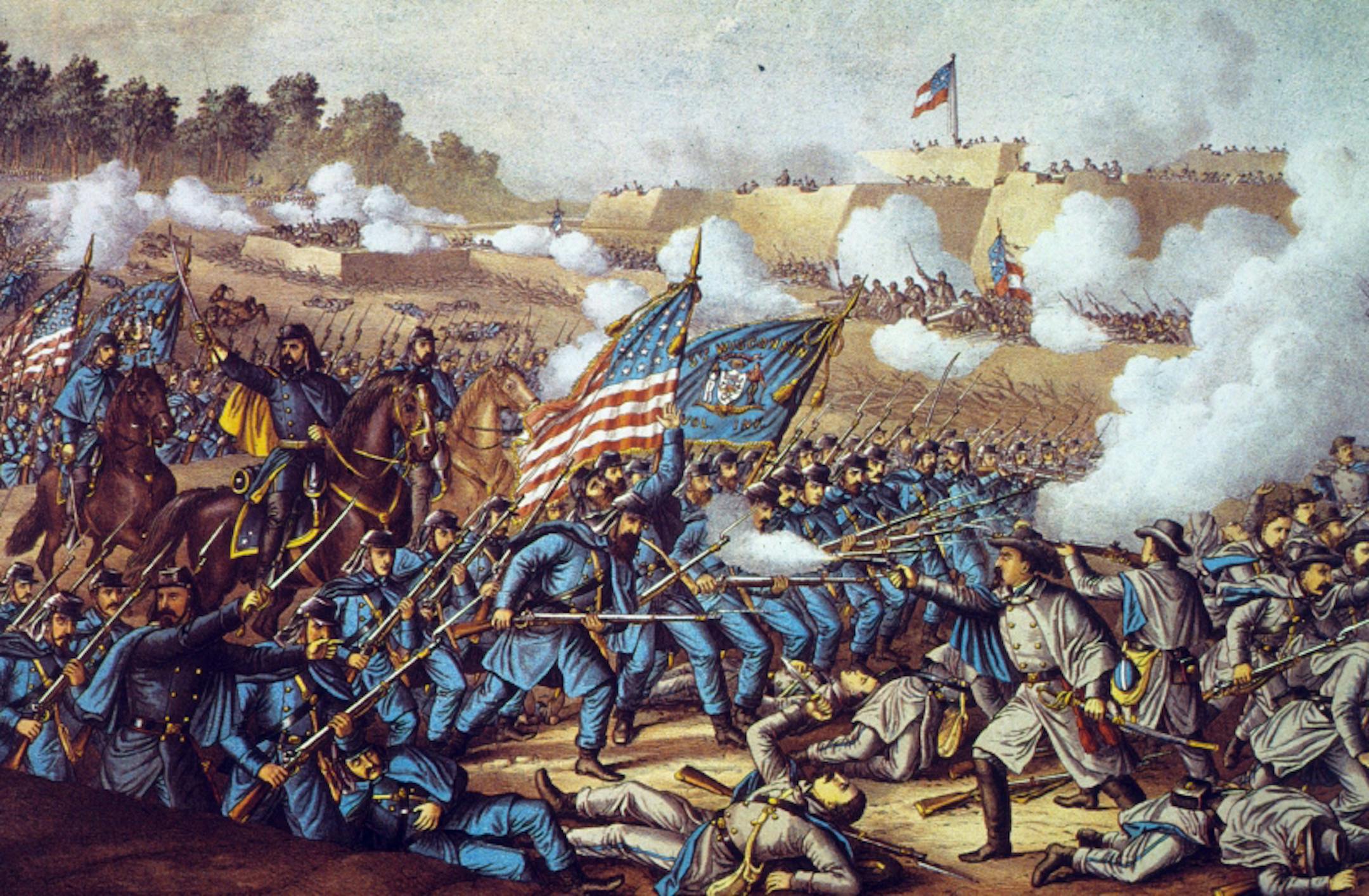
By these words, Lincoln religiously consecrated the Civil War. Lincoln's words make us want to have faith that the North's cause — America's cause — was blessed by the Almighty.
But, there is a horrific side to the Civil War. Americans do remember that the Civil War was probably avoidable and that it resulted in 750,000 American deaths. That toll is the equivalent of 250 Sept. 11 terrorist attacks. Additionally, at the time of the Civil War, Americans numbered only 31 million. So, 2½ percent of Americans were killed in the Civil War — 1 of every 40 Americans.
When modern Americans look at the historic facts of the Civil War, they do not jump in jubilation embracing the religious, nation-building exercise that it was. Instead, there is a proper religious ambivalence about the Civil War, because it was a horrific war.


