

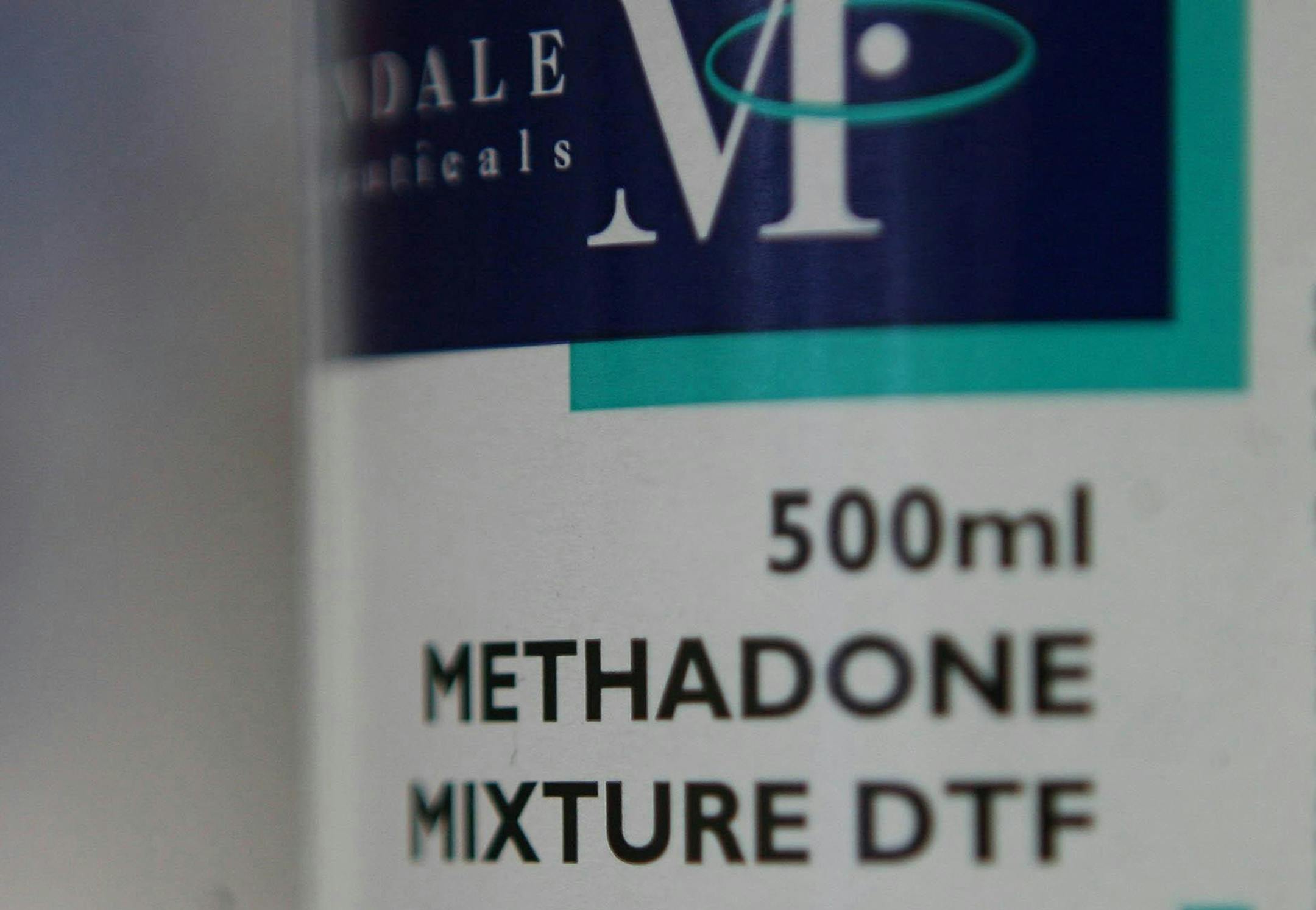
Mark Willenbring's commentary on the use of methadone to treat opiate addiction ("Filling an addiction treatment gap," Feb. 24) raises a number of points I'd like to address as a heroin addict in long-term abstinence-based recovery (42 years) and as the CEO of an abstinence-based program that has been treating heroin addicts for 43 years.
Addiction is complex, whether to opiates or to other drugs. A constant tug of war in the treatment field exists among physicians and pharmacists who see it as a medical issue with medical solutions; mental health workers proposing a psychological (and pharmaceutical) solution; the faith community arguing for a spiritual solution, and others calling for a behaviorist and public safety solution through accountability and consequences (prison).
The problem is that addiction isn't biological, psychological, social or spiritual. It's all of the above.
First, what people are actually addicted to is changing the way they feel. Drugs do that. The fact that some of them result in what we call tissue tolerance is a byproduct. Addiction itself is nothing if not prolonged immediate gratification and pain avoidance. While methadone and buprenorphine restrict one's ability to get high on narcotics, they do nothing to inhibit the use of benzodiazepines, methamphetamine, cocaine, marijuana, alcohol or any other mood-altering substance. Those who do not examine and change the things they don't like about themselves or their lives simply will use other drugs in tandem with methadone.
Second, addiction is hard, but recovery is harder. Who among us will not take the easiest route? Taking a pill is certainly easier than self-examination and change. We are conditioned to look to pharmaceuticals to address issues (from obesity to high cholesterol) that are much more effectively addressed by lifestyle change. Addicts are no different. If anything, they're even more likely to choose what appears to be the easy way, even if it yields bad results.
Third, addicts are preprogrammed to please their caregivers. If you argue for their limitations, they will never let you down. If you argue for their potential, some won't get there, but those who do will be the better for it, as will their families and society.
Fourth, many opiate addicts cross thresholds that can never be recreated in the same way. Most people have never used illegal drugs or done the other things that often go with it, including stealing, selling sex or putting a gun in someone's face. For those who have, the inhibitions of childhood are gone. Any treatment that doesn't focus on creating new pro-social attitudes and behavior is just a Band-Aid.
Fifth, practicing addicts, in order to continue practicing, need to view themselves as different from how the world views them. A petty thief might see himself as Capt. Jack Sparrow, and Sparrow doesn't need to change — he's just misunderstood. Breaking through denial requires accountability to the real world, not the world they create to live with themselves.


