On a fall morning in 1961, Earle Brooks called his wife's attention to a newspaper article announcing formation of the Peace Corps. Excited about the idea of volunteering, Rhoda Brooks immediately sat down and wrote to President John Kennedy, offering their services.
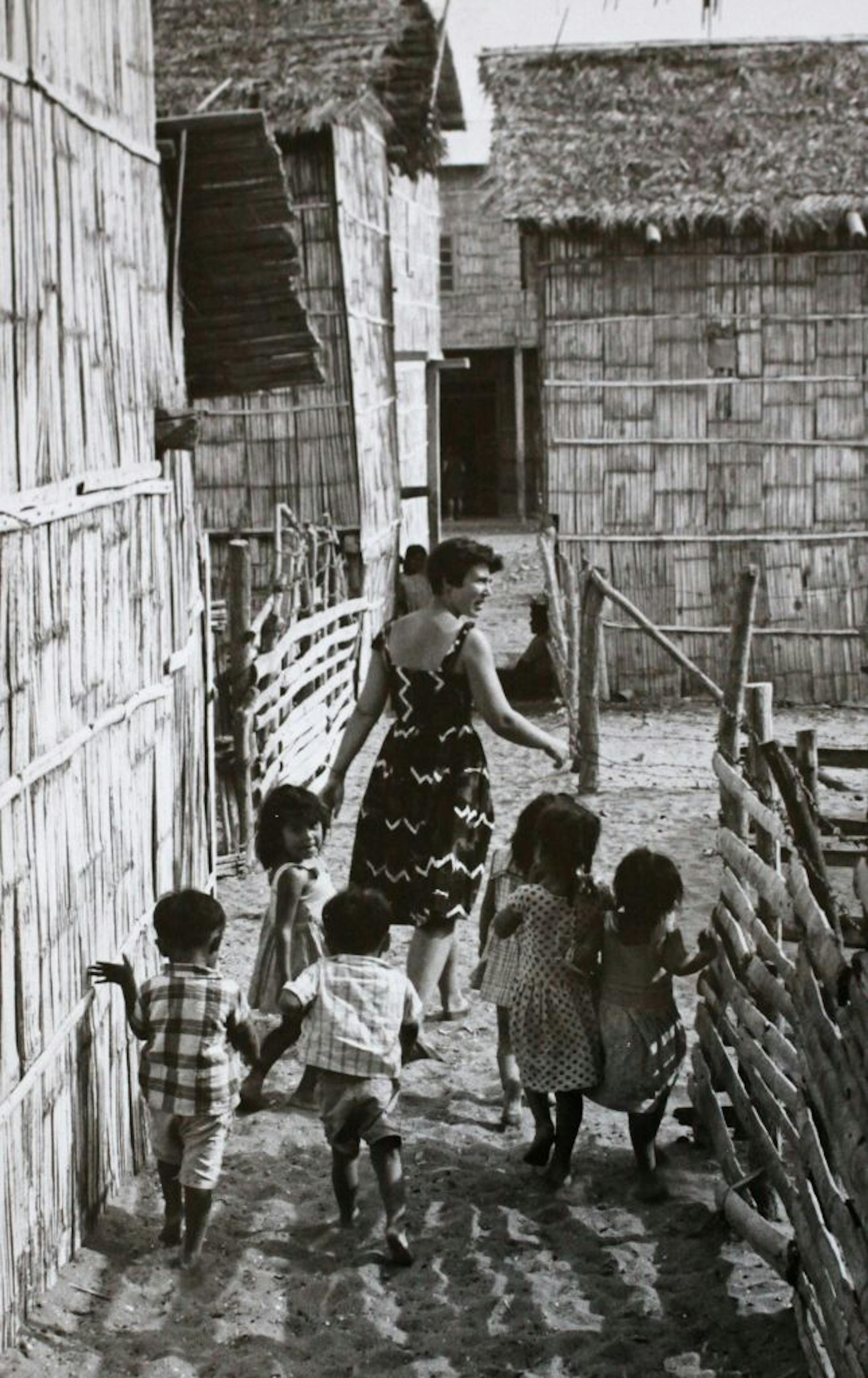
The president wasn't personally handling paperwork for prospective volunteers. But once they had been directed to the proper channels, it wasn't long before Rhoda, then 26, and Earle, 28, were on their way to the small fishing village of Manta, Ecuador.
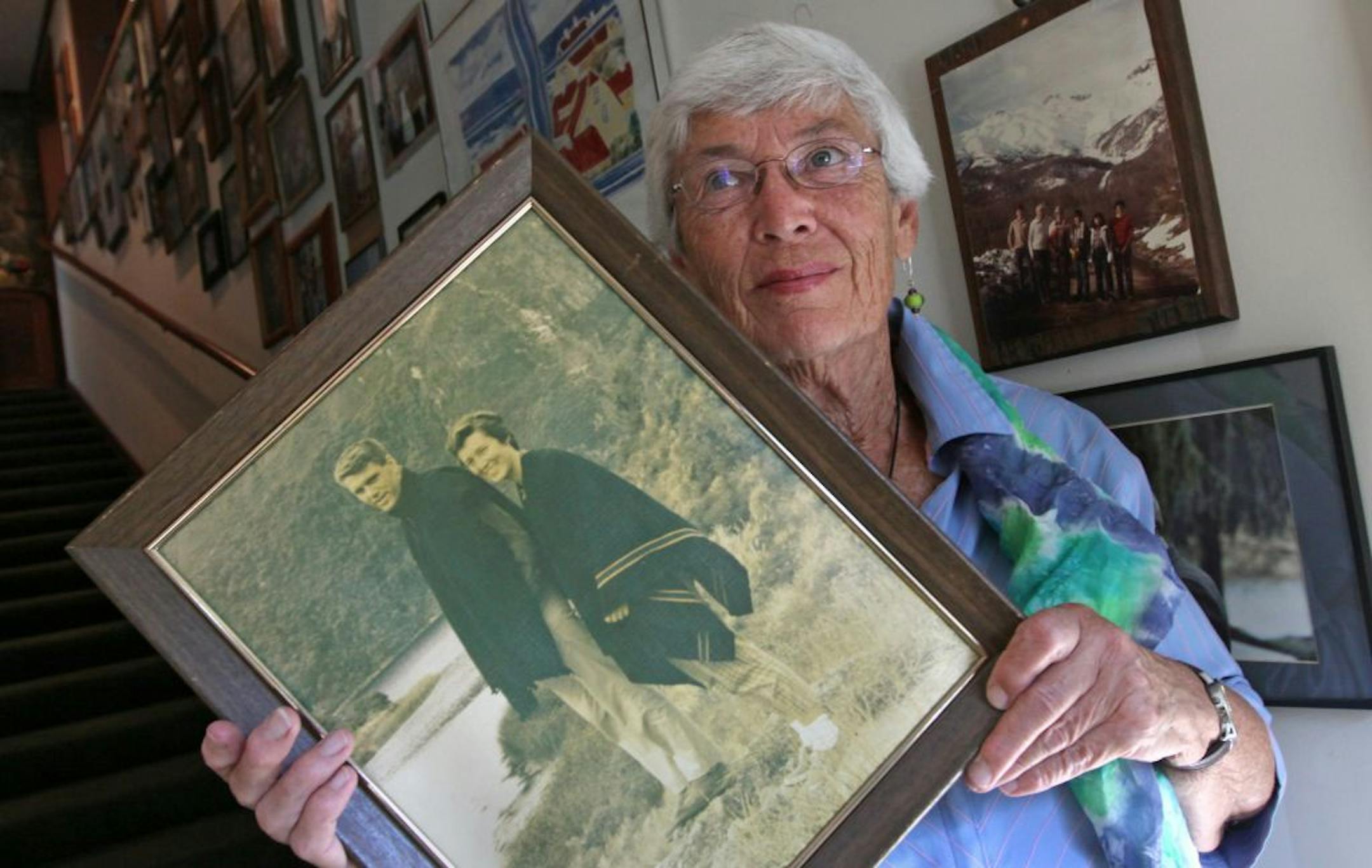
"Right from the beginning, we believed in the spirit of the Peace Corps," she said in her Excelsior home, where photos of their travels line the walls. "We weren't idealists. We knew that there were going to be hardships. But we didn't look upon it as a sacrifice; we saw it as an opportunity."
She laughed before adding: "Well, maybe we were idealists."
When Brooks, 76, heard about next week's celebration in Washington, D.C., commemorating the first 50 years of the Peace Corps, she knew that she had to be there. She has watched it grow from a romantic vision that naysayers derided as "Kennedy's Kiddie Korps" to one of the world's most influential aid operations. More than 200,000 volunteers have served in 139 countries under an organizational plan so successful that it's been copied by agencies such as AmeriCorps and the Veterans Service Corps.
Beyond being among the first volunteers, she and her late husband were intertwined with the Peace Corps on other levels.
When National Geographic magazine devoted an entire issue to the organization in 1964, the cover photo was of Rhoda Brooks exchanging a hug with an Ecuadorean woman. When the couple finished their tour of duty, they wrote a book about their experiences that was the first of its kind. By the time they left Ecuador, they had adopted two children, the older of whom, Rico, joined the Peace Corps in 1981, becoming the agency's first second-generation volunteer.
Work still to be done