

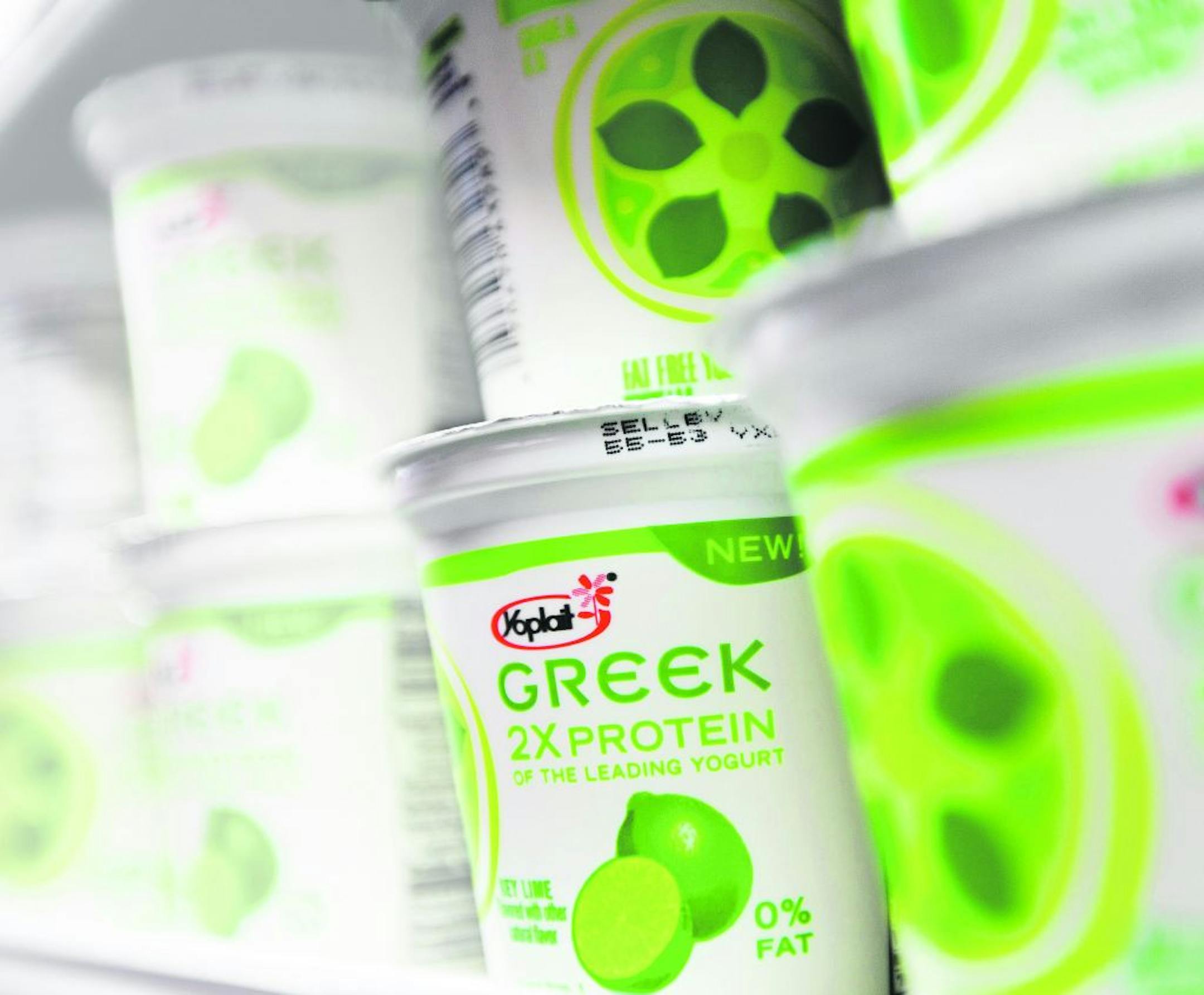
We spoon up so much yogurt at breakfast, lunch and dinner that we spent $7.3 billion on the tart stuff last year.
Its creamy texture and good-for-your-gut benefits are draws. So are the varieties: full fat, nonfat and low fat; organic and conventional; honey sweetened or plain, fruit on the bottom or swirled throughout.
Among these cultured denizens of the dairy case, it's Greek yogurt that's getting lots of attention.
Retail sales in the U.S. of this thicker-than-regular yogurt increased more than 50 percent in 2012 to reach $1.6 billion, according to Packaged Facts, a Rockville, Md., market researcher. Such numbers, they say, have pretzel, salad dressing and cereal-makers jumping on the Greek yogurt bandwagon.
Greek yogurt's appeal is easy to understand. It's deliciously thick and creamy, it plays well in recipes, its ingredient list is simple (milk plus live cultures) and its tartness dovetails with our fondness for fermented foods (pickles, beer, etc.).
"There's been a lot of marketing with the Greek yogurts. And people like the thick texture of the Greek variety," says registered dietitian Sarah Krieger, an Academy of Nutrition and Dietetics spokesperson. "If you're using Greek yogurt in cooking, basically you can use it anywhere that sour cream is used."
Subbing Greek yogurt for sour cream in many recipes cuts calories and sodium, while delivering more protein. "If you're making a cold soup that uses sour cream, I would swap it out for nonfat Greek yogurt," she says. "You're getting more nutrition with the Greek yogurt."
Its acidity also works well as a marinade for meats and poultry. "It's great for baked fish or chicken. If you're using it instead of mayonnaise, you're actually using less fat and you're adding a little bit of protein and a little bit of calcium," says Krieger. She spreads yogurt on whitefish, then mixes dried herbs with breadcrumbs or panko to sprinkle atop before baking.


