
Contributions needed to keep ducks flying

North Dakota is essential to duck producing in the U.S., and conservation areas need funding to keep it that way.

August 19, 2011 at 12:16PM
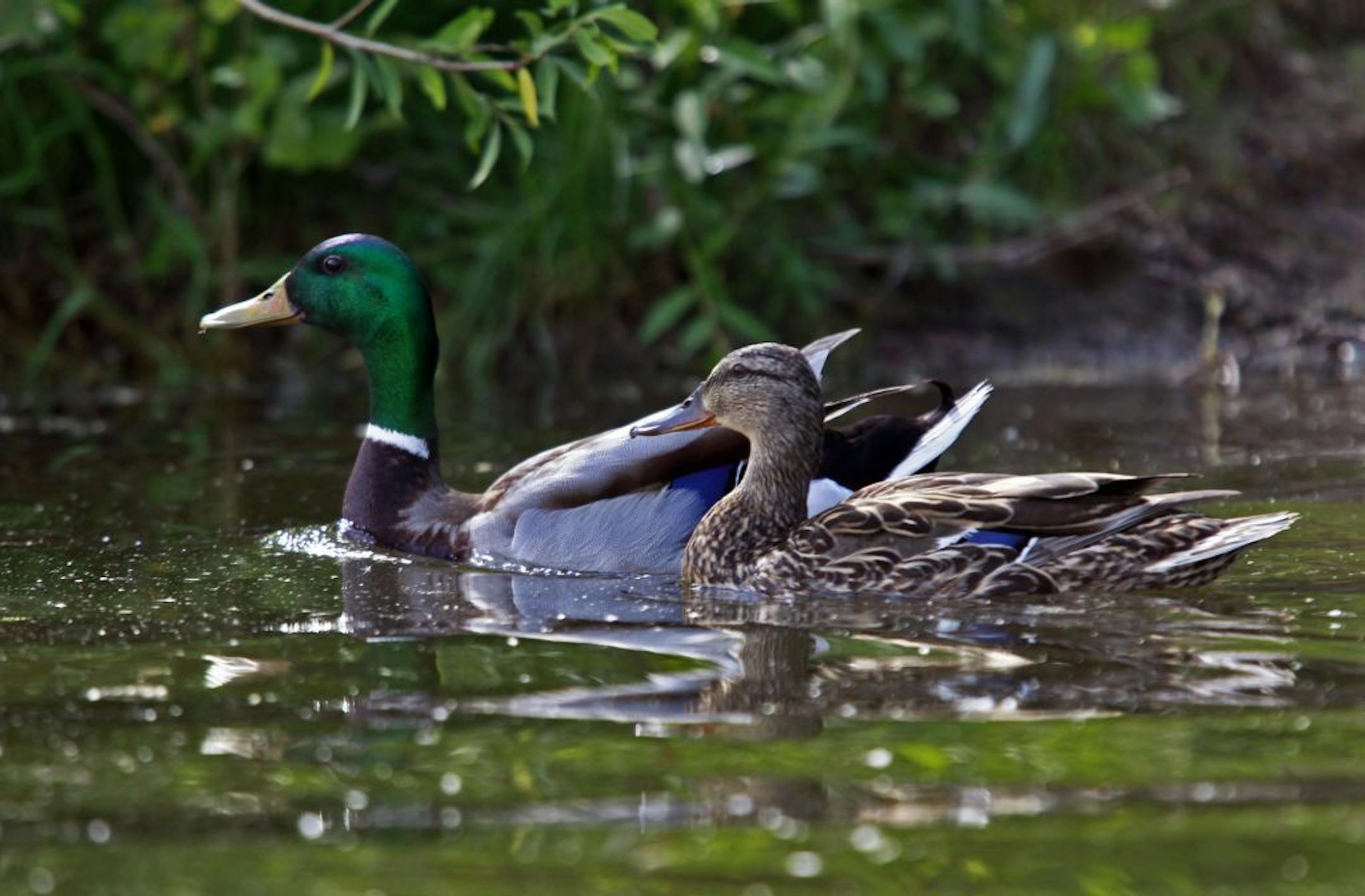
Ducks find the quiet waters, reeds and lily pads to their liking.
Ducks find the quiet waters, reeds and lily pads to their liking. (Star Tribune/The Minnesota Star Tribune)

COMING SUNDAY

A bold plan to save Dakota grasslands.

BISMARCK, N.D. - If there is a heartbeat to North American duck management, it pulses most resoundingly here, on the Great Plains, along the mighty Missouri River, which still now in August is overflowing its banks.

Also in Bismarck is much of North America's waterfowling intelligentsia, a corps of it housed in Ducks Unlimited's regional offices, where nesting success, brood rearing and conservation of the fabled duck-producing Missouri Coteau provide scientists with living laboratories for their bird-brained ideas.

If only more people cared -- not just citizens at large, but duck hunters themselves, a fair percentage of whom think their feathered prey come from heaven.

But in fact neither ducks nor geese come from heaven.

It's North Dakota, after all, together with South Dakota, that produces most ducks hatched in the U.S. each year.

More people should know this, and more still should care, because no landscape is more imperiled than North Dakota's vast complexes of wetlands, grasslands and prairies.

Sky-high grain prices are one reason marginally tillable North Dakota conservation acres are being switched to croplands. Others include pattern tiling, which ensures fewer spring ponds will be on the land to welcome returning ducks in March and April, and losses of state and federal conservation dollars.

A terrifying trifecta of wetland drainage, wind farms and oil and gas exploration further challenge the notion that today's Dakota duck populations are sustainable.

On Thursday, some of Ducks Unlimited's best and brightest scientists gathered at the DU office in Bismarck to explain complex management strategies they employ to keep ducks flying.

Among these is an effort, so far successful, to promote planting of winter wheat on the Dakota prairies, and in Saskatchewan, to provide nesting cover for pintails, mallards and other fowl.

"We have five agronomists spread across North Dakota," said Jason Riopel, a field agronomist from Minot, N.D. "We want to be the authority on winter wheat."

Planted in September and harvested in early August, winter wheat can provide nesting cover in spring and early summer that mimics native prairies. "In one of our studies, 24 times more nests were hatched out than in spring wheat," Riopel said.

Successful as Ducks Unlimited's attempts have been to encourage farmers to plant winter wheat, North Dakota acres dedicated to this crop will never overcome those planted in spring wheat, which is known as some of the world's best.

Conservation easements intended to conserve not only threatened wetlands in North Dakota but its remaining grasslands represent another arrow in Ducks Unlimited's conservation quiver.

Millions of dollars are needed to pay farmers and other producers to keep, especially, grasslands intact, instead of converting them to row crops. Money for this has to come from somewhere. And it isn't heaven.

Instead, Ducks Unlimited members contribute millions each year. Duck stamps required of hunters kick in millions more. And historically, federal programs such as the North American Wetland Conservation Act have been underwriters.

The easements limit development, wetland drainage and native-prairie plowing that can be done on enrolled properties, in effect ensuring they will benefit ducks forever, while handsomely compensating owners.

But Congress is threatening to gut federal conservation programs at a time when demographic shifts nationwide have undercut the number of hunters who chase wood ducks and other birds each fall.

Fewer hunters means fewer duck habitat projects.

Perfect storm brewing?

It needn't be. Smart people in Ducks Unlimited, among other groups and state and federal agencies, are utilizing complicated strategies to ensure, for the time being, that migrations as old as time itself continue.

But too few people care. If you're one, go to ducks.org, mnwaterfowl.com, deltawaterfowl.org or any of a dozen or so other groups.

Then reach into your billfold and cough up. Out here on the plains, people show up every day working on your behalf. Put a shoulder to the wheel.

about the writer

about the writer

Dennis Anderson

Columnist

Outdoors columnist Dennis Anderson joined the Star Tribune in 1993 after serving in the same position at the St. Paul Pioneer Press for 13 years. His column topics vary widely, and include canoeing, fishing, hunting, adventure travel and conservation of the environment.

See Moreicon