

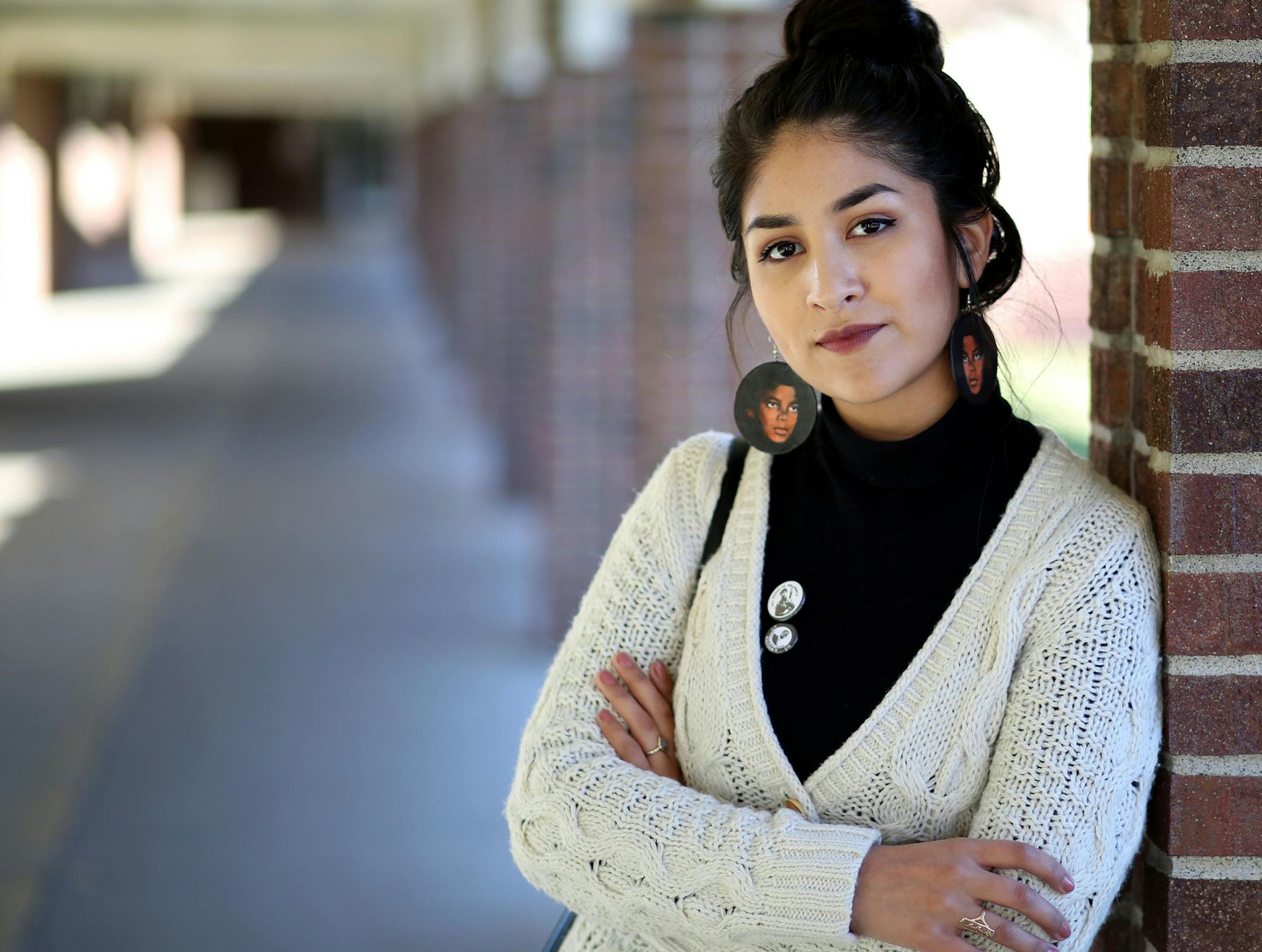
Jocelyn Hernandez dressed in all black on Wednesday morning as she faced an uncertain future.
An Obama administration program for young immigrants brought to the country as children allowed Hernandez, a North Hennepin Community College sociology student, to work, drive and plan for a career as a teacher. President-elect Donald Trump has vowed to end the deportation reprieve program — part of a tougher stance on illegal immigration that he made a centerpiece of his campaign.
After his victory, Minnesota Latinos and other immigrants worry about pledges to step up deportations, build a wall along the U.S.-Mexico border and crack down on employers who hire unauthorized workers. The election's outcome also dimmed hope for a state proposal to grant driver's licenses to residents without legal status — and for national immigration reform that would open a path to citizenship.
Meanwhile, Trump's election heartened Minnesotans who want to see tougher immigration enforcement.
Key questions remain about what a Trump administration can do and will do about immigration, said Virgil Wiebe, an immigration law expert at the University of St. Thomas.
"At this point, there's a bit of wait-and-see," he said. "But I think we should take Trump at his word and prepare for a more aggressive stance."
More than 282,000 Latinos live in Minnesota, or about 5 percent of the state's population. An estimated 58,000 of them are among more than 90,000 immigrants living without legal status in the state, according to the Migration Policy Institute.
Hernandez, 19, was 10 months old when her parents crossed the southern U.S. border and made their way to Minnesota. She shared her immigration status with few friends until she qualified for Obama's 2012 Deferred Action for Childhood Arrivals, or DACA. Almost 6,000 immigrants in Minnesota have benefited from the program, including some from Africa and Asia.


