BELGRADE, MINN.
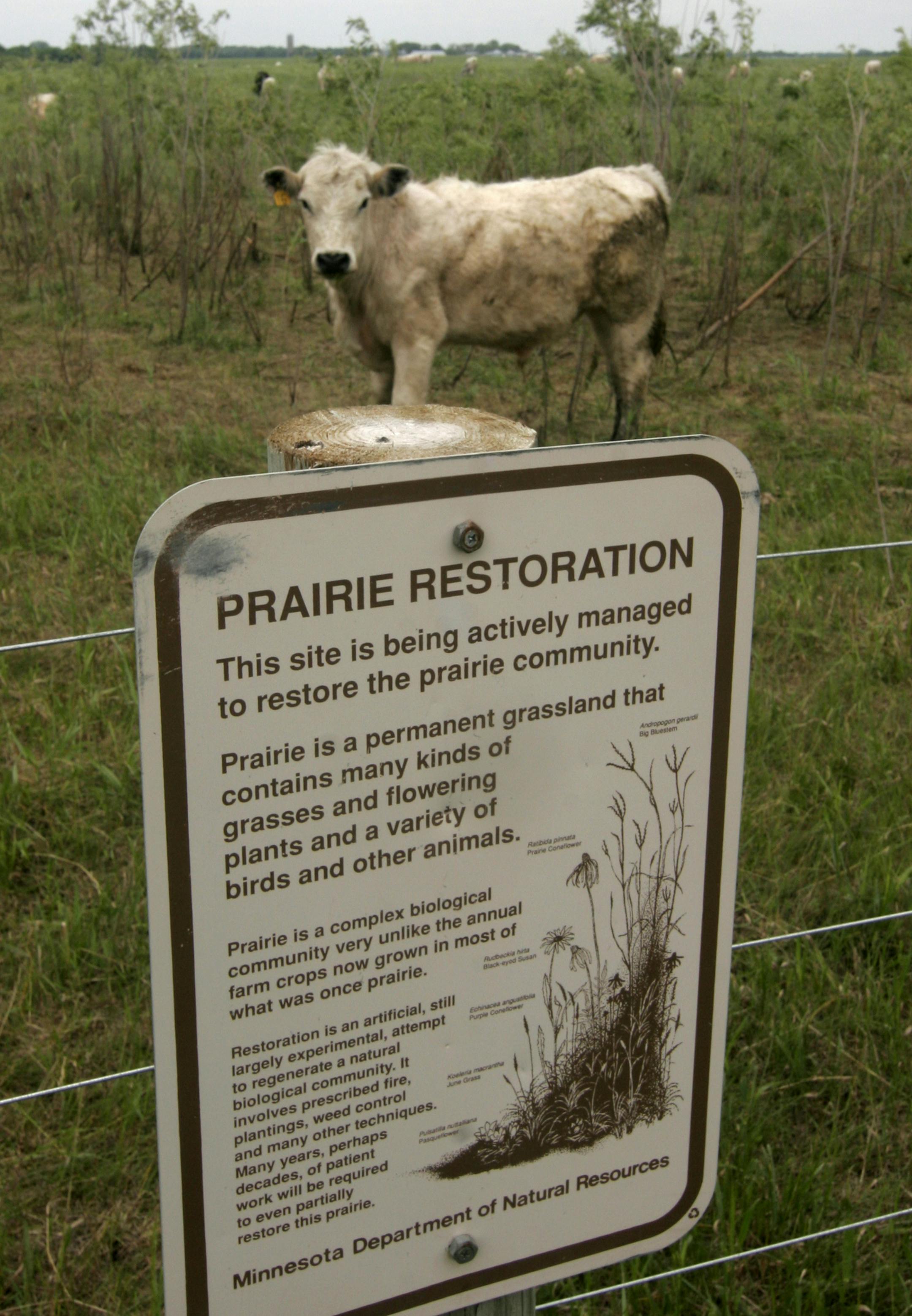
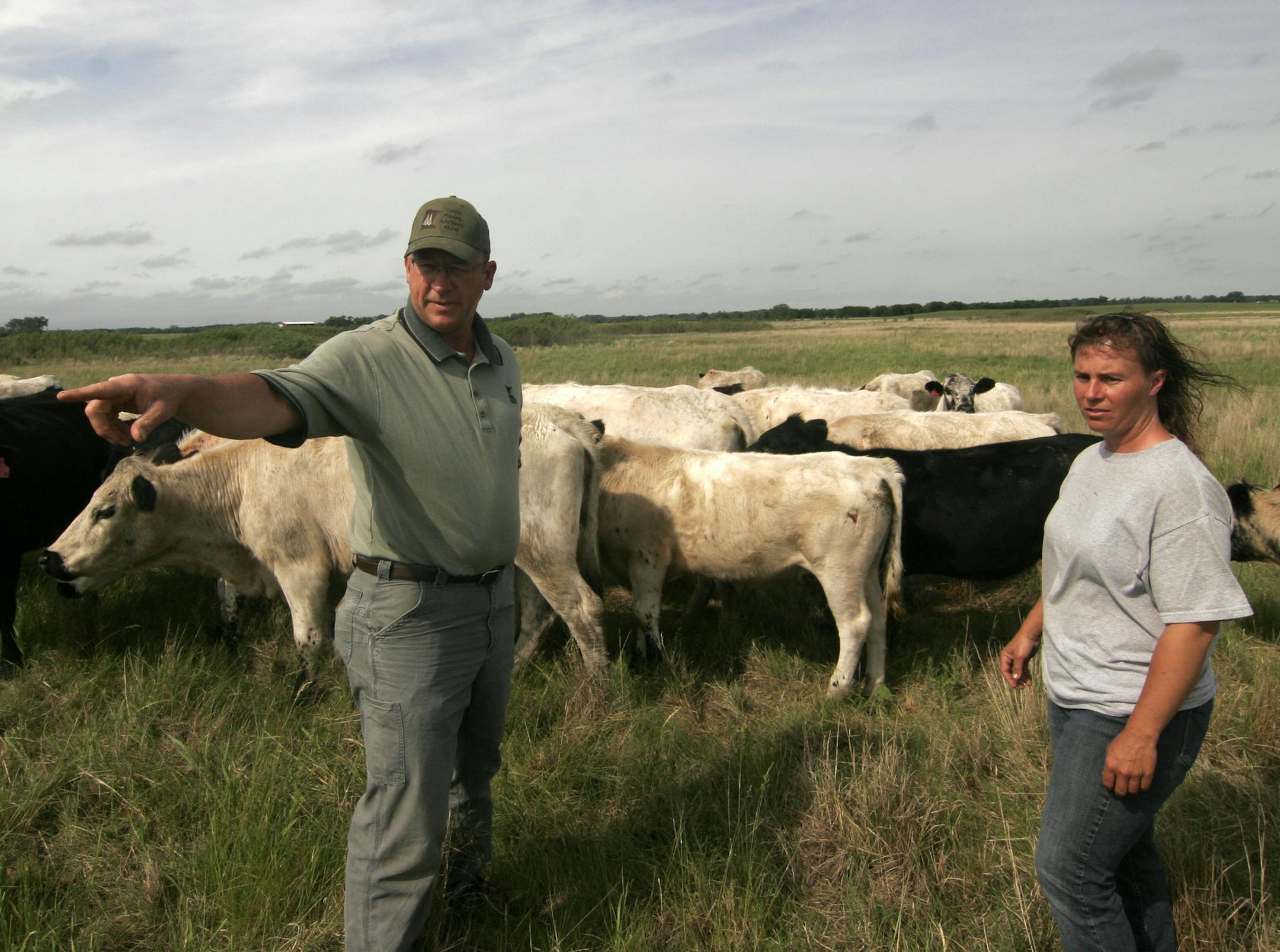
Christina Traeger's cattle didn't look out of place last week grazing contentedly on a field of lush green grasses in Stearns County.
Except they were munching in a state wildlife management area — public land managed for wildlife.
It's part of a growing trend to use cattle, sheep and even goats on state, federal and private grasslands to mimic the beneficial effects on wildlife habitat that herds of wild bison once provided. "Conservation grazing" has been used for years by the U.S. Fish and Wildlife Service, state Department of Natural Resources and The Nature Conservancy — but its use has been accelerating, because of funding from the Clean Water, Land and Legacy Amendment's Outdoor Heritage Fund and the Environment and Natural Resources Trust Fund, or lottery money.
Last year, the Legislature allocated $600,000 from the Trust Fund for fencing to allow grazing on an additional 5,000 acres of public land.
Near Belgrade, the DNR used $7,000 in Legacy Amendment funds to install smooth wire fence — which Traeger has electrified — around the 160-acre Crow River Wildlife Management Area.
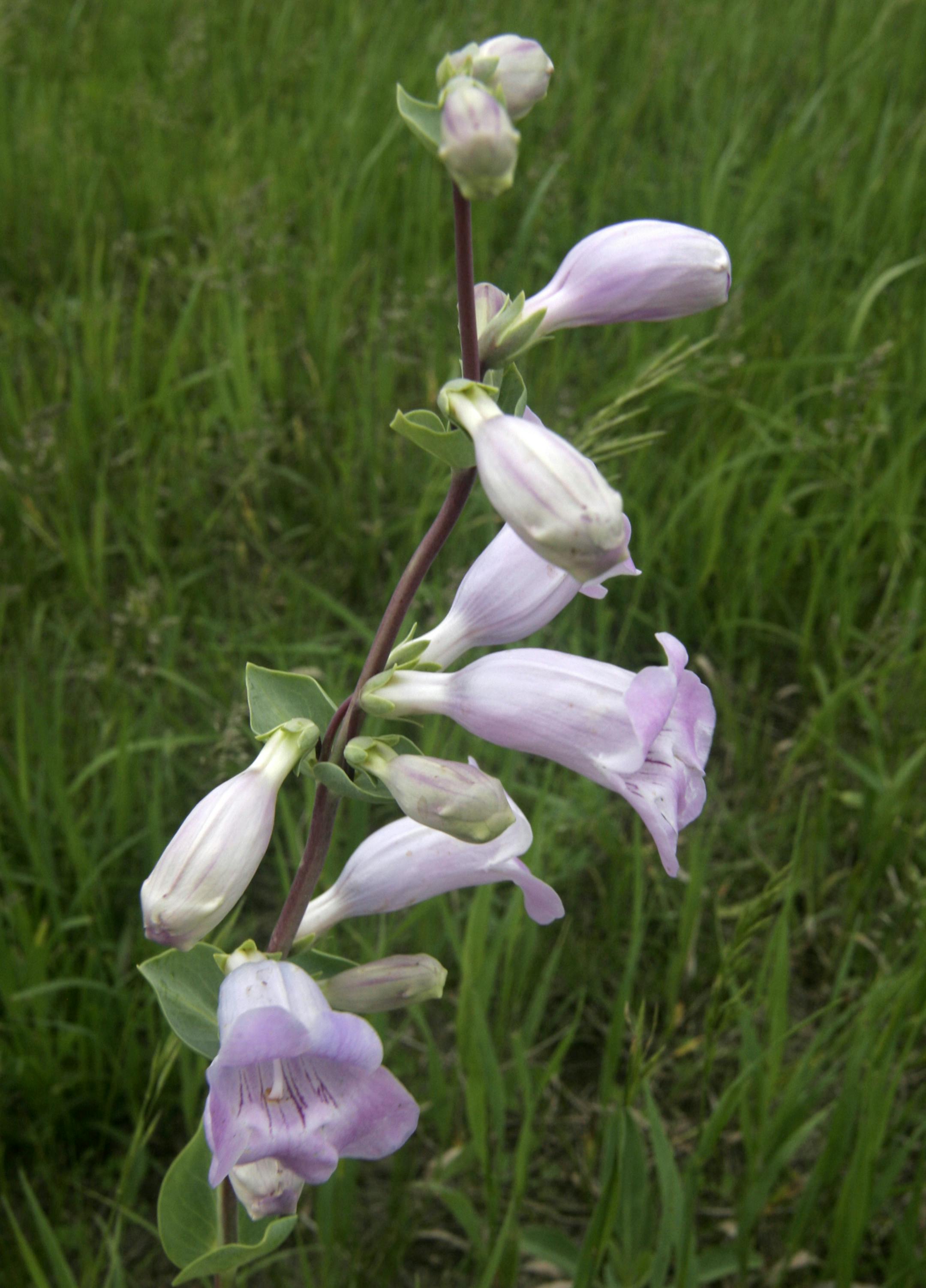
Prairies need occasional disturbance to remain healthy, diverse and to minimize invasive species such as brome grass and reed canary grass, and land managers have only a few options: fire, mowing, herbicides or grazing.
"We see it as another tool in the toolbox,'' said Fred Bengtson, DNR area wildlife manager in Sauk Rapids, who is making his first foray into grazing.