

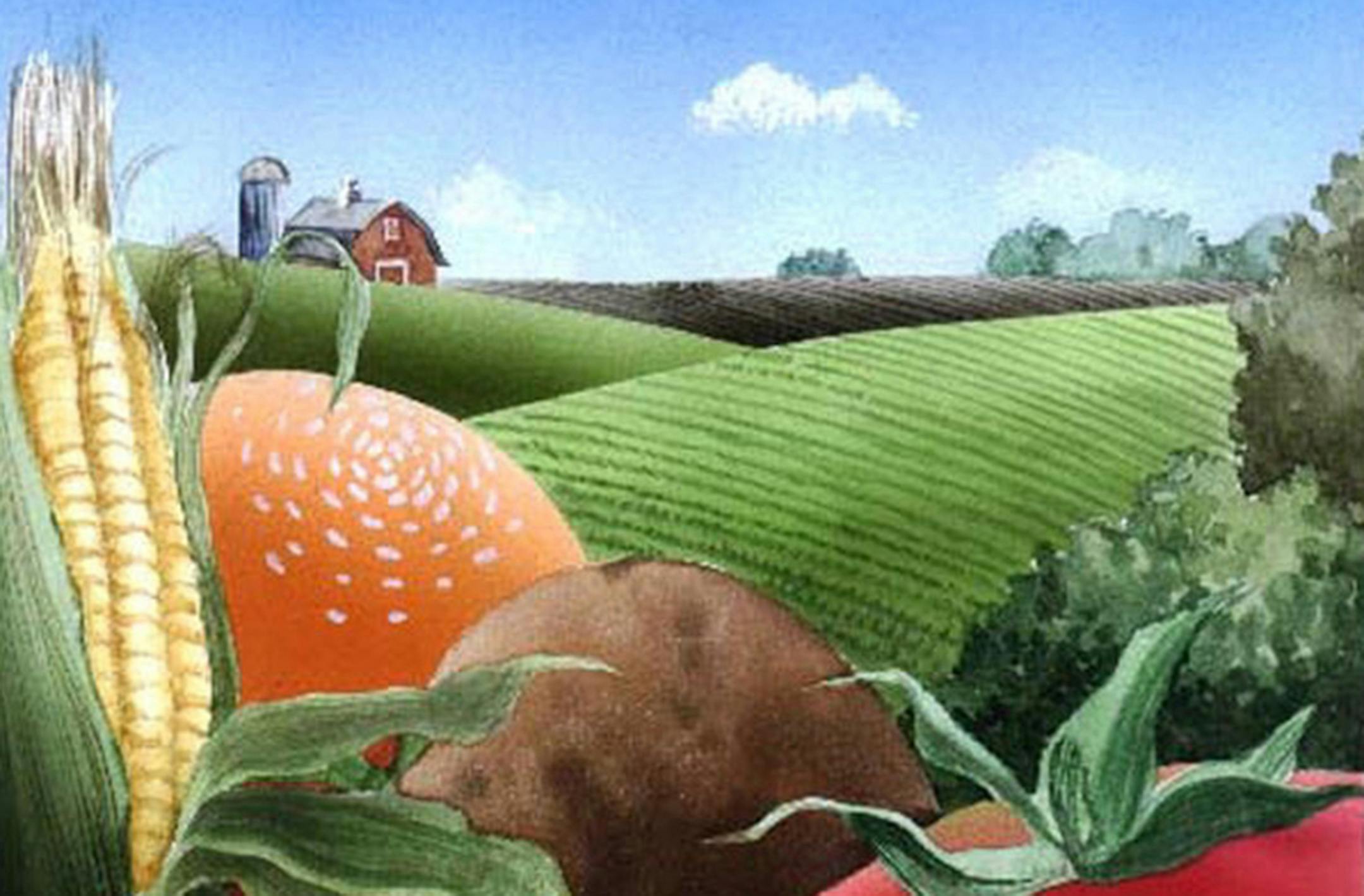
It's impossible to drive through Minnesota during growing season without being struck by the awe-inspiring abundance its fertile fields produce. The corn, soybeans, sugar beets and livestock raised here help feed the world — a point of pride for those who work the soil as well as for urban dwellers who cherish family farming roots.
But the enactment of the sprawling farm bill, signed into law Friday afternoon by President Obama, is a reminder that it isn't just the geographic serendipity of soil and climate, or being home to the world's most productive farmers, that makes American agriculture a global leader. Those two ingredients are critical, but there's another.
It's the strong partnership this important industry has long had with the federal government, one that continues to flourish with the passage of the Agricultural Act of 2014, the farm bill's official name. The reality of that support bears noting in an age marked by anti-government ideology that calls for deep spending cuts based on the premise that the reductions will be painless.
At $956 billion, a 10-year figure that includes spending on food stamps in addition to agricultural supports, the farm bill isn't the costliest item in the federal budget, but it's certainly a substantial investment of public dollars in the private sector. And it's especially vital in Minnesota and other farm states.
The $17 trillion national debt has been in the spotlight for several years, with bitter political fights over deficit spending and the debt ceiling. Despite the insistence by a bipartisan array of farm bill advocates that the bill delivers serious reforms and up to $23 billion in 10-year savings, the legislation is mostly business as usual in that it continues to provide generous assistance (albeit through crop insurance subsidies instead of direct payments) to farmers, without meaningful income limits. The legislation also cuts conservation program funding while continuing notorious programs such as the protections that shield American sugar producers from foreign competition.
"Where they took away, they giveth,'' said former Minnesota Republican Rep. Bill Frenzel, now a federal budget expert with the Brookings Institution in Washington, D.C. "The direct payments — everybody knew they had to go, but I wasn't expecting quite as juicy a crop insurance program …"
On average, the federal government pays about 60 percent of crop insurance premiums, according to the Congressional Budget Office.
At the same time, the legislation cuts around $8 billion over the next 10 years from the Supplemental Nutrition Assistance Program (SNAP), a relatively small cut to this vital program that delivers savings by closing a loophole used by 16 states to secure additional federal dollars for enrollees. Minnesota isn't one of the states affected by this move. Nor will the cuts throw anyone off the program's rolls here or elsewhere.


