Minnesota's fishing and boating culture is under threat from invasive carp. Thousands rely on our lakes and rivers for their livelihoods and recreation; more than $4 billion is spent each year by boaters and anglers taking advantage of our state's natural resources. If invasive carp continue to spread, Minnesota's economy and culture will be at risk.
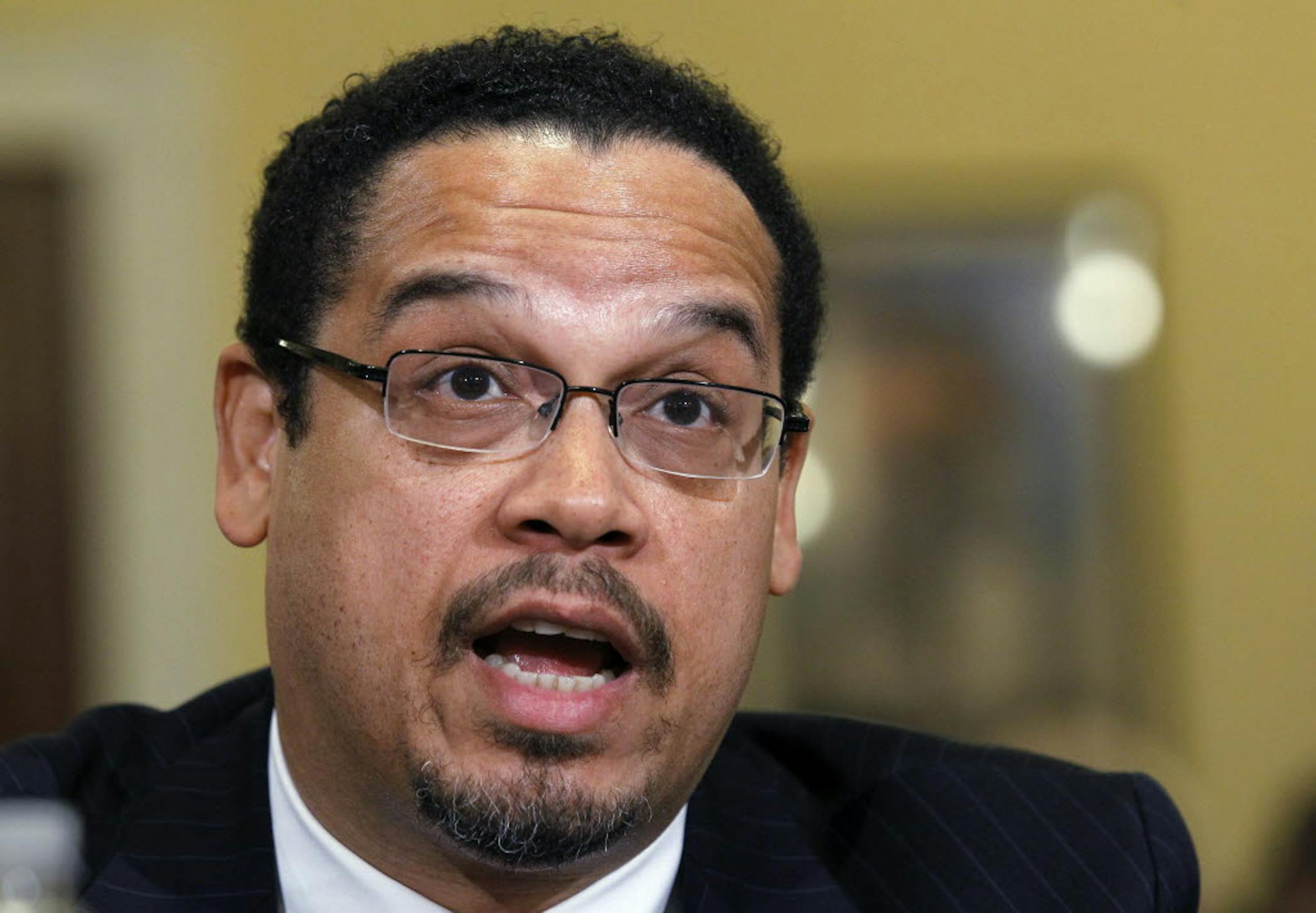
Last week I spoke at a congressional hearing on a plan to close the Upper St. Anthony Falls lock and halt the spread of invasive carp. Since closing the lock requires an act of Congress, I introduced the Upper Mississippi CARP Act with Reps. Nolan, Paulsen and Walz, and Sens. Klobuchar and Franken. This bipartisan legislation would close the lock if invasive carp are found nearby.
The time to act is now. When I first proposed a solution to invasive carp in Minnesota, they were a future threat. But last month, an invasive carp was caught just below St. Paul. As Marc Smith, senior policy manager for the National Wildlife Federation, noted in his testimony, "Minnesota is at the front lines in terms of fighting the upstream march of invasive carp in the Mississippi River."
We cannot afford to wait any longer to stop these carp from moving north of the Twin Cities. Once the carp establish a breeding population, they are nearly impossible to eradicate.
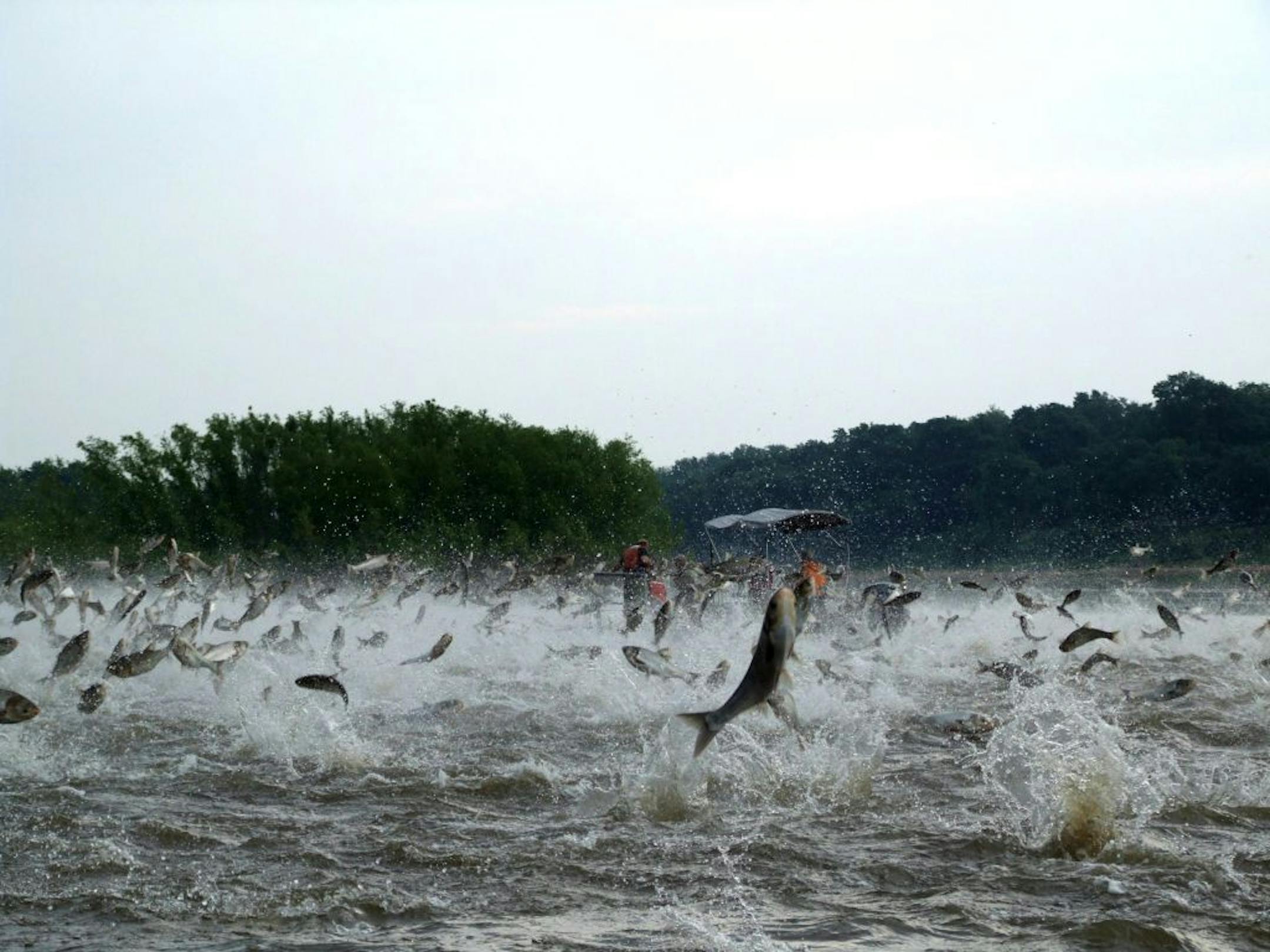
Introduced to the United States in the 1970 for aquaculture, invasive carp escaped from holding ponds and started to spread throughout the Mississippi. The bighead carp can grow to 110 pounds. The silver carp can grow to 60 pounds and can jump 10 feet out of the water, creating a new and bizarre hazard to boaters. Invasive carp can eat up to 20 percent of their body weight in plankton every day, robbing native species of their food supply. Populations of native fish dramatically drop. In some rivers where invasive carp are established, 90 percent of the total weight of everything living in the river is invasive carp.
In areas throughout the Mississippi system, commercial and recreational fishing and boating have disappeared, and Minnesota faces a similar threat. Invasive carp have been caught throughout the Mississippi in southern Minnesota and they will continue to move toward northern Minnesota if we do not take action now to halt their spread.
State officials have been working diligently on measures to slow the spread of carp. Possible techniques include electric, bubble and sound barriers. Officials have also increased monitoring and encouraged boaters and cruise operators to avoid unnecessary use of the locks along the river. None of these options, however, are 100 percent effective.
Fortunately, experts across the state agree that closing the Upper St. Anthony Falls Lock and Dam is the most viable and cost-efficient measure to prevent the spread of invasive carp into northern Minnesota.