

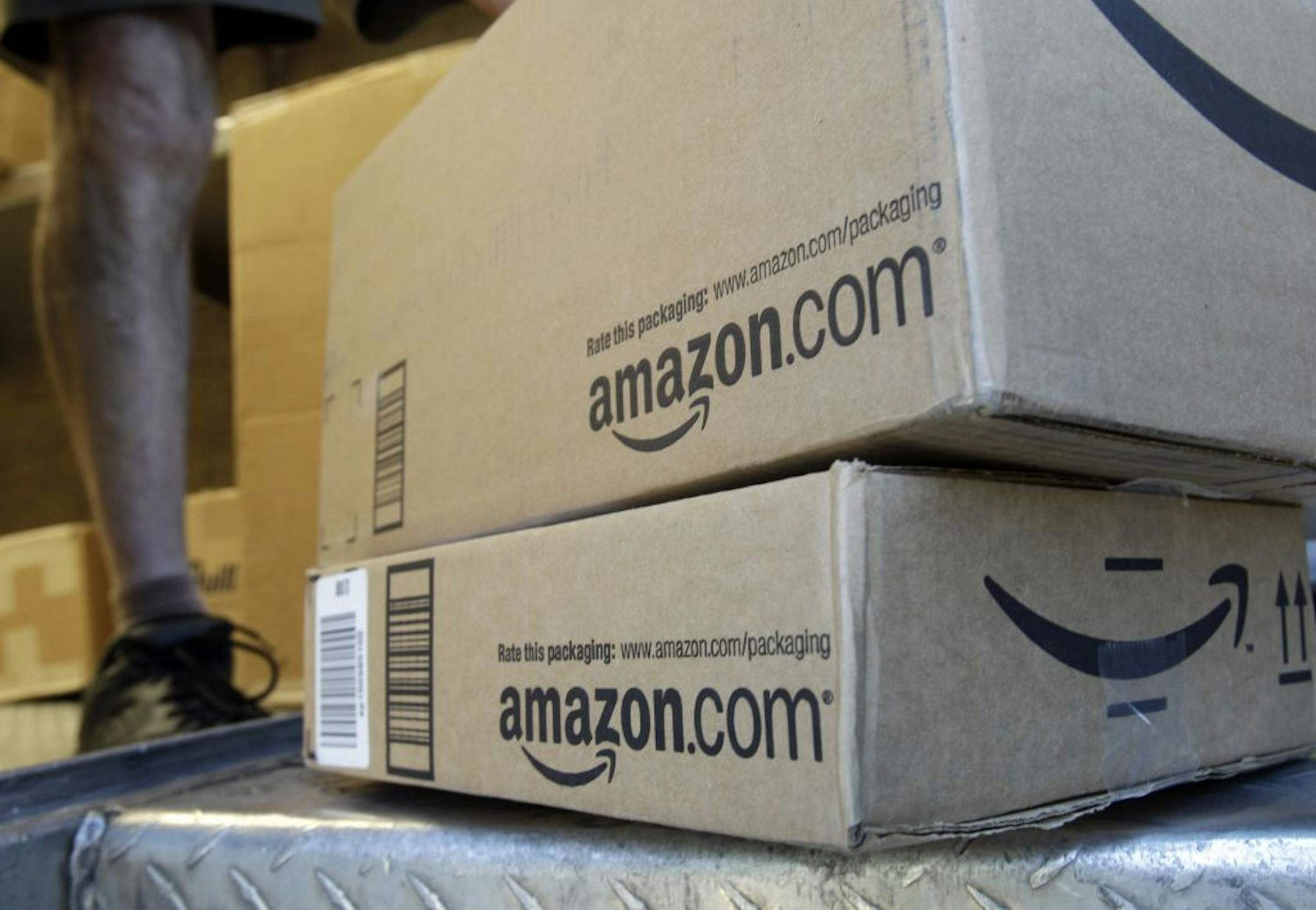
Retailers call it "showrooming," and they resent it: Customers come into their stores to try on clothes, check out flat-screen TVs, browse through new books, get fitted for shoes, and then they leave and buy the same stuff from a website.
Many of the online sellers have a big pricing advantage: They don't charge sales taxes.
That's unfair to the brick-and-mortar retailers who, by law, have to collect sales taxes. In theory, consumers are supposed to calculate and send taxes to the state for their online purchases
. In practice, few people bother to do this. The result is lost revenue to state and local governments, an unjustified competitive edge to Internet sellers … and empty storefronts in your neighborhood.
Illinois is one of several states that have tried to level the playing field. In 2011, Gov. Pat Quinn signed legislation that broadened the requirements for online merchants to collect sales taxes from Illinois consumers when the merchant has a "physical presence" in the state.
State laws, though, are hard to enforce, and they encourage dot-coms to shift operations to other states to avoid the tax obligation. There are still legal disputes about what requirements the states can impose.
It's time for a consistent set of rules for the collection of taxes on online purchases.
Last month, in a test vote, the U.S. Senate overwhelmingly supported the Marketplace Fairness Act, which would make clear that states can require tax collection by online merchants. It also would streamline interstate commerce by requiring that participating states simplify their tax systems.


