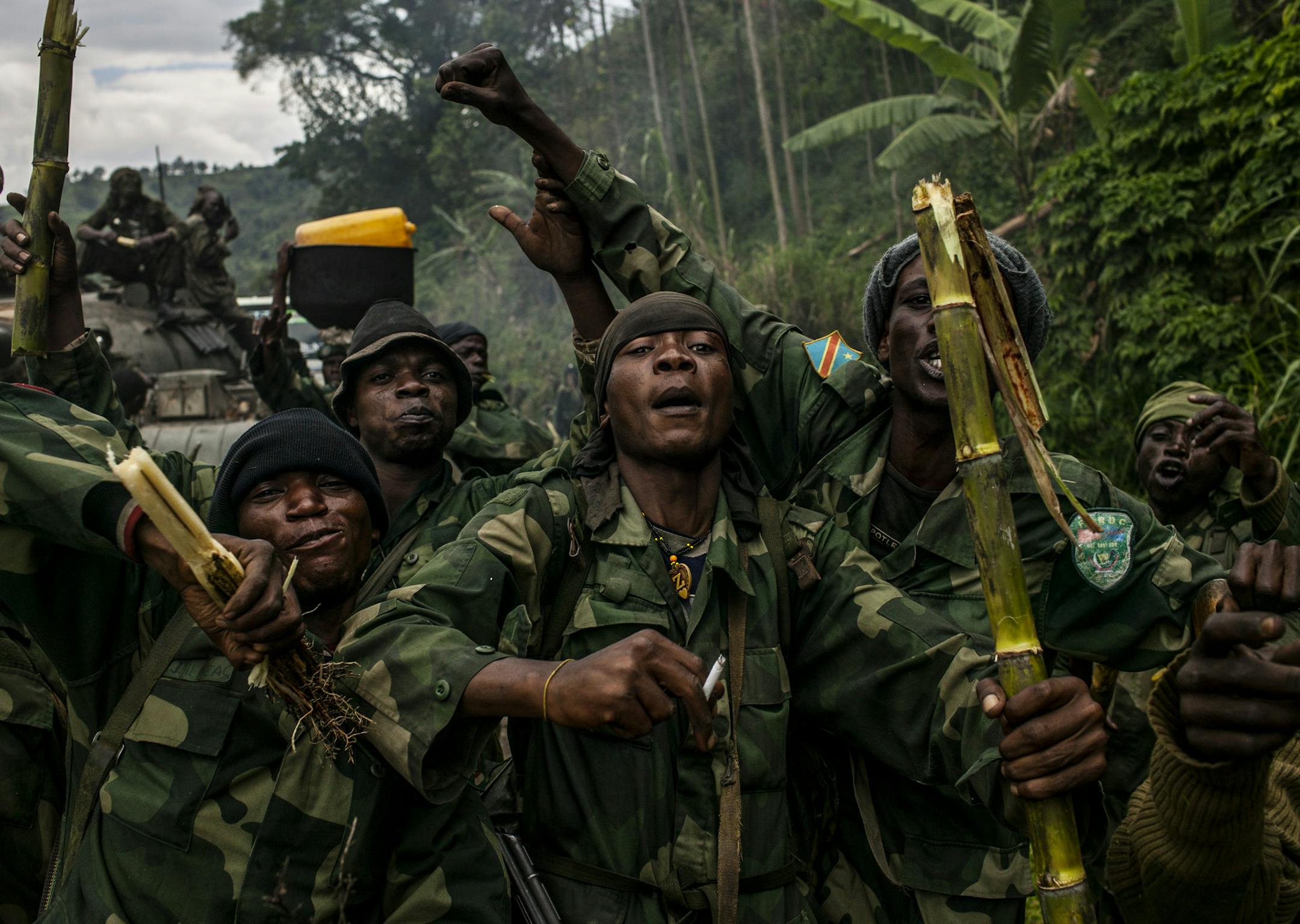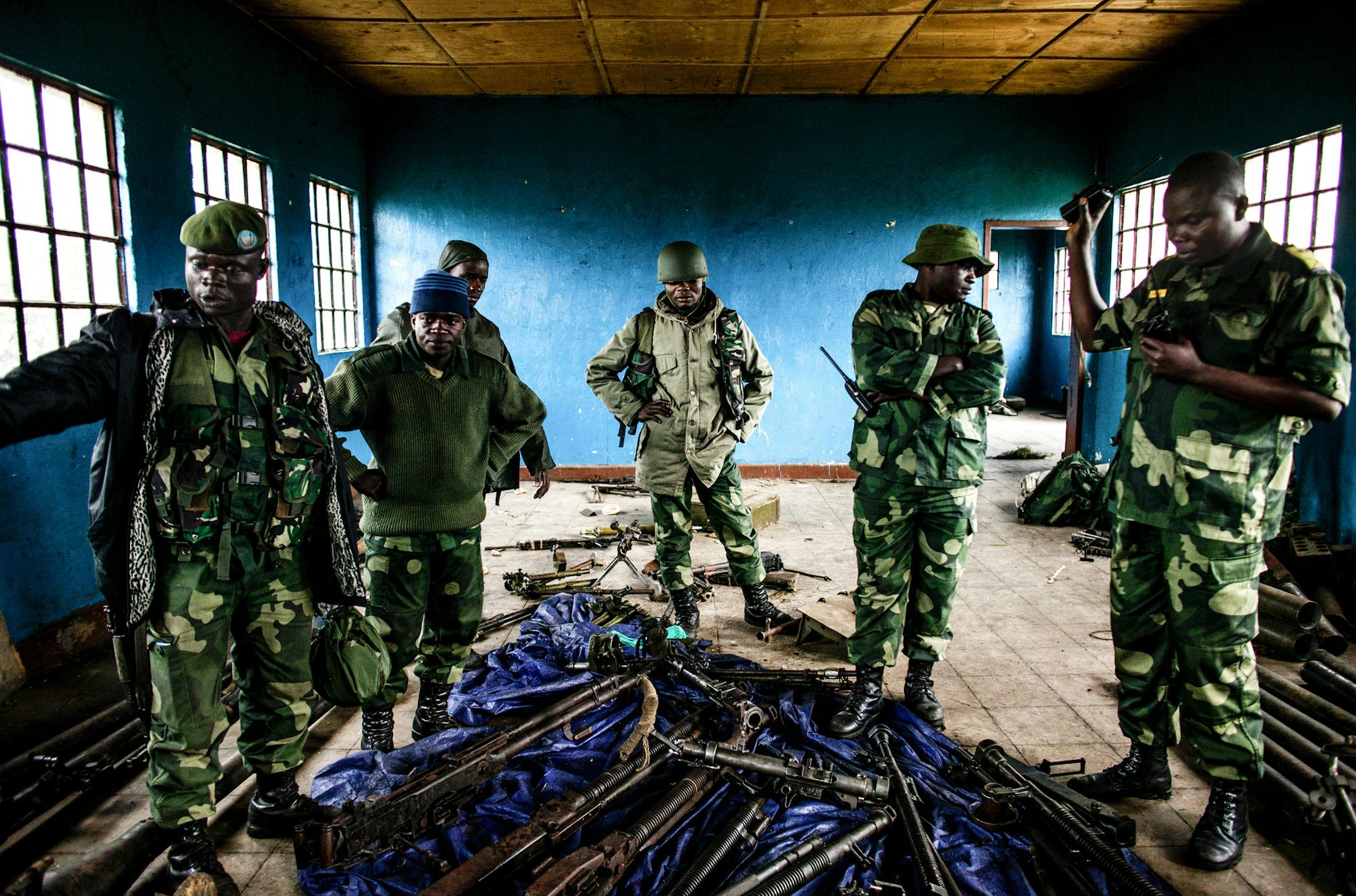
KINSHASA, Congo – The M23 rebel group blamed for killing scores of civilians in eastern Congo over the last year and a half announced Tuesday it was ending its rebellion as an emboldened Congolese military seized the last two hills that had remained under rebel control.
While the dramatic developments marked a significant success in the Congolese government's fight against armed groups in the embattled east, experts warned that the rebel retreat would not result in an immediate peace in a region ravaged by fighting for nearly two decades.
U.S. envoy to Congo Russ Feingold welcomed the M23 announcement, saying it was a "critical and exciting step in the right direction."
In the capital, Congolese government spokesman Lambert Mende vowed that the military would now focus on pursuing Hutu fighters from the FDLR. The group is led by Rwandans who helped commit the 1994 genocide and later escaped to Congo, prompting a series of Tutsi rebellions, including the latest one by M23.
"M23 has been crossed off the list and now the military has its sights on the FDLR," Mende told journalists.
About 100 M23 fighters have been captured by government forces. M23 leader Sultani Makenga and other high-ranking officials within the movement are believed to have fled into neighboring Rwanda or Uganda, Mende said.
The announcement of M23's demise came after the Congolese military, backed by U.N. forces, stepped up its offensive against the rebels last month as peace talks once again stalled. The Congolese military rapidly seized control of more than a half-dozen towns in just a matter of days, and Mende said Tuesday they had finally recaptured the last two remaining rebel areas of Chanzu and Runyonyi.
M23 President Bertrand Bisimwa said in a statement early Tuesday that he was ordering rebel commanders to "prepare troops for the process of disarmament, demobilization and social reintegration on terms to be agreed upon with the Congolese government."