

I love, love, love Italian wine. And I hate, hate, hate Italian wine-labeling practices.
Italy is at the forefront of creating confusion among wine consumers. Some wines are named after regions, others after grapes. Take three sound-alike reds from Piedmont: Barolo and Barbaresco are regions (featuring fabulous wines made from the nebbiolo grape), while barbera is a grape. Barbera d'Asti is made in the same area, but with a different grape, than dolcetto d'Asti or moscato d'Asti, which on its own produces a lovely sweet wine, but more often is used to make sparkling Asti spumante. Italy also has several entirely different grapes called trebbiano.
A bit of mystique is great, paisanos, but this is downright confusing, as if the wine world weren't bewildering enough.
There are so many examples of sound-alike wine terms that consumers could be forgiven for not figuring out when these near-homonyms are actually the same thing in different languages, especially when a third name further gums up the works.
Pinot gris and pinot grigio are the same thing, but are different from pinot blanc. Syrah and shiraz are the same, but petite sirah is another grape entirely. Back in Italy, brunello di Montalcino and vino nobile di Montepulciano are pricey wines made from the sangiovese grape near the lovely Tuscan towns of Montalcino and Montepulciano, while montepulciano d'Abruzzo is a more humble grape grown well to the southwest of there. Primitivo is the Italian version of zinfandel, which is not to be confused with white zinfandel, which of course is actually pink.
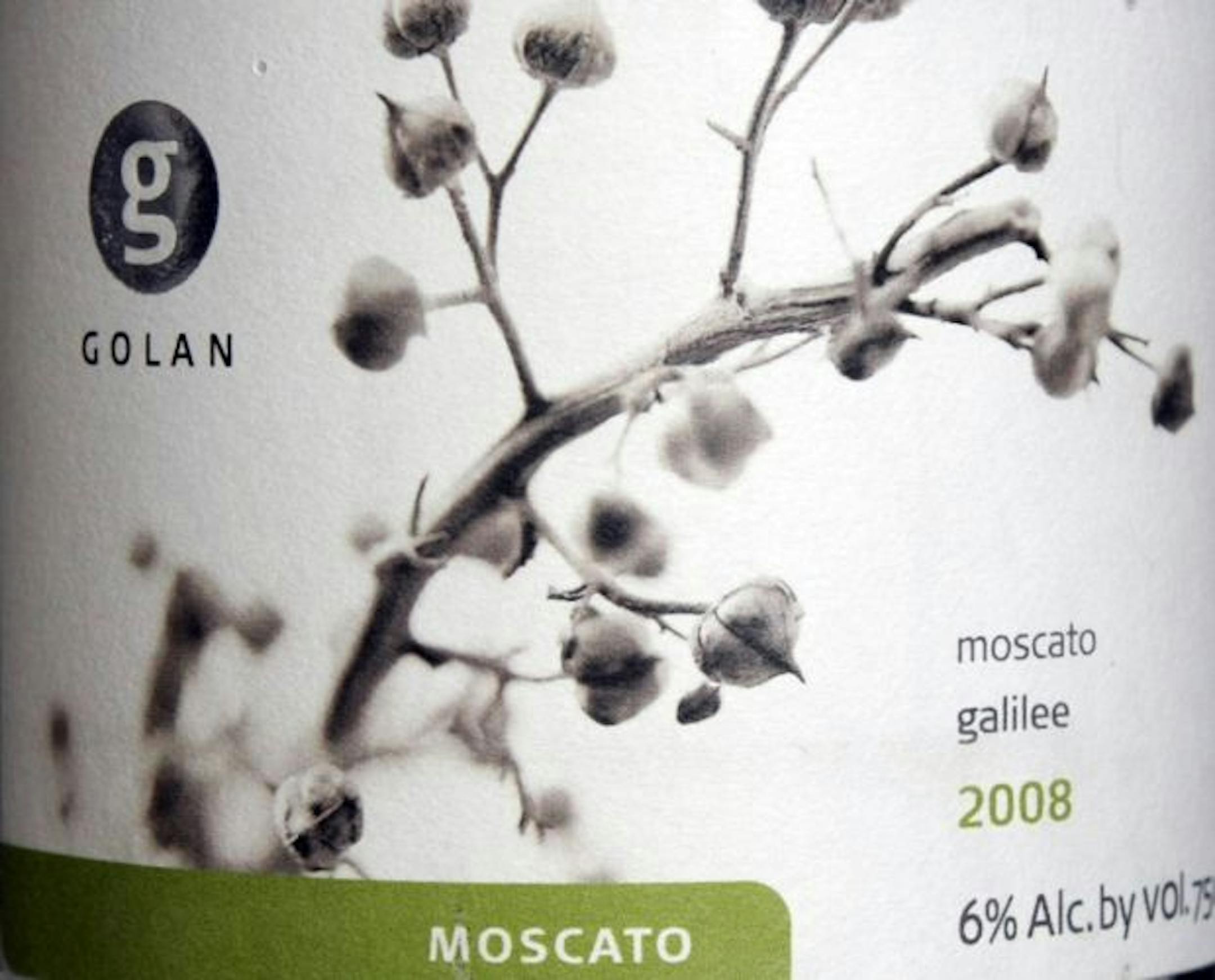
And of course, France has to get in on this act. Pouilly-Fuissé is chardonnay made in Burgundy, while Pouilly-Fumé is sauvignon blanc made in the Loire Valley. The Loire also is home to Chinon (a region, with almost all the wines made from the red grape cabernet franc -- not to be confused with cabernet sauvignon) and chenin blanc (a white grape that finds its foremost expression in wines labeled vouvray). Muscadet is a Loire region producing very dry wines made from melon de Bourgogne grapes, while a variety of muscat grapes produce sweet wines (see the Wine of the Week).
Sacre bleu!
And then you've got the different layers of Port (ruby, tawny, etc.) and riesling (auslese, spätlese, etc.), plus those arcane German wine labels (which Kingsley Amis called "one of the things life's too short for, a daunting testimony to that peculiar nation's love of detail and organization"), and the dry/sweet level for bubbly (brut, demi-sec, etc.), and ... oh, never mind; I'm confused enough already.


