COLUMBIA, S.C. — For the first time in 17 years, civil rights leaders gathered Monday at the South Carolina Statehouse to pay homage to the Rev. Martin Luther King Jr. without the Confederate flag casting a long shadow over them.
The banner was taken down over the summer after police said a young white man who had posed for photos with a rebel flag shot nine black church members to death during a Bible study in Charleston. After the massacre at the Emanuel African Methodist Episcopal Church, Republican Gov. Nikki Haley reversed course and made it a priority for lawmakers to pass legislation to remove the flag.
"Isn't this a great day? It's so nice to be standing here and not looking at that flag," said Ezell Pittman, who attended most of the King Day anti-flag rallies since they started in 2000. "I always had faith it would come down. I hate it took what it did, but was real happy to see it go."
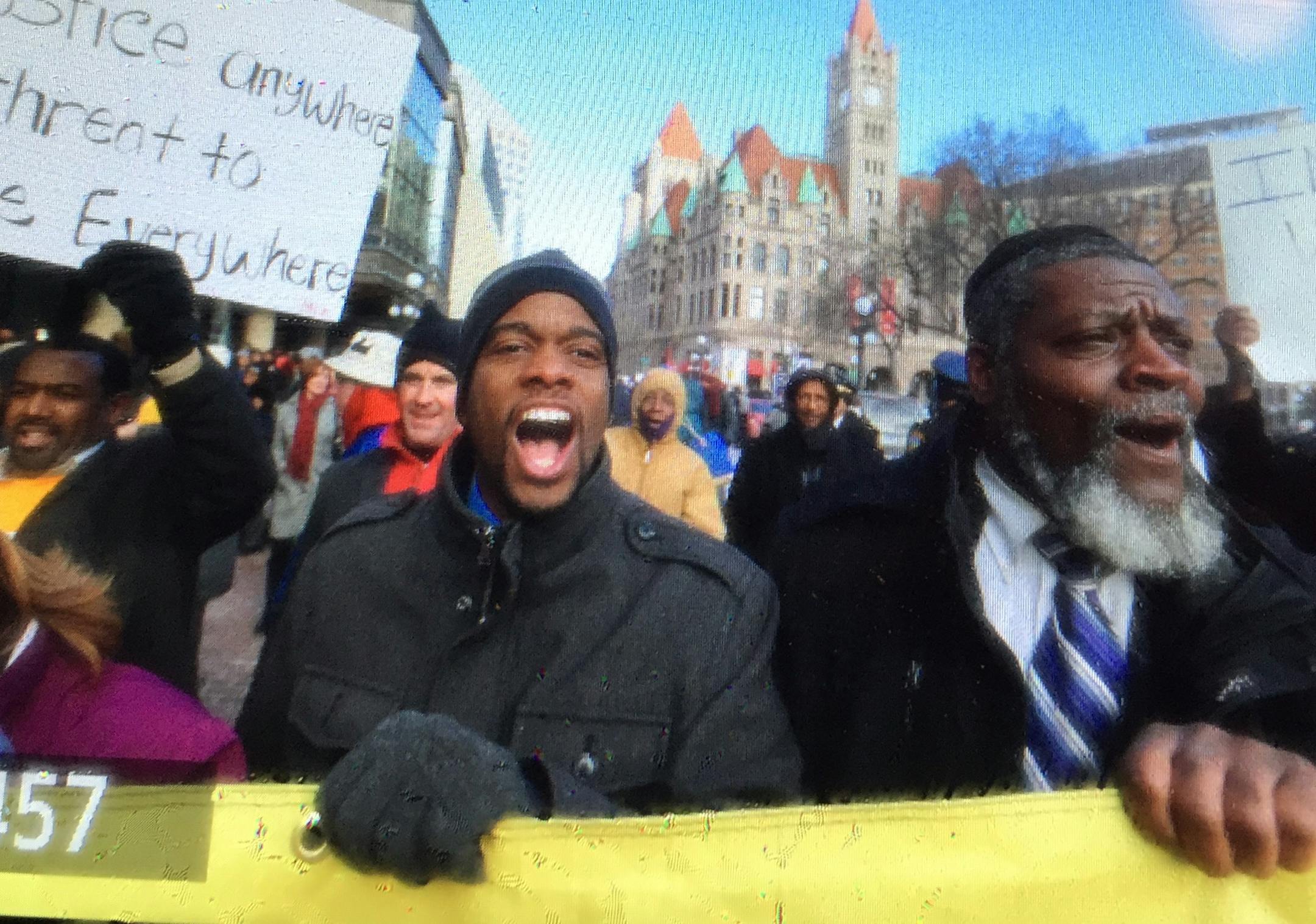
Across the country, the 30th anniversary of the holiday to honor the civil rights leader assassinated in 1968 was remembered in different ways. In Michigan, people delivered bottled water to residents of Flint amid the city's drinking water crisis. In Atlanta, an overflow crowd listened as to the nation's housing secretary talk about the 50th anniversary of King's visit to Chicago to launch a campaign for fair housing. Rallies against police brutality in Minnesota and California briefly shut down traffic on two bridges.
South Carolina NAACP President Lonnie Randolph said the flag's removal was tangible evidence the state cares about civil rights when pushed hard enough. But he warned there would be other fights ahead.
"I promise you, the people that gather in this building — your building — will do something this year to cause us to return to ensure freedom, justice and equality is made possible for all people," Randolph said, motioning toward the capitol behind him.
Randolph promised to keep coming to the Statehouse until King's dream comes to its full meaning in a state with wide gaps in education achievement between school districts in rich, white communities and poorer, black ones, and where the governor and Republican-dominated Legislature have refused to take federal money to expand Medicaid.
About 1,000 people gathered at the Statehouse on a clear, cold day, drawn in part by appearances by all three main Democratic presidential candidates — Hillary Clinton, Bernie Sanders and Martin O'Malley.