

Even before the internet, over-familiarity was a problem in classical music. Too many pieces available in too many recordings, with popular works endlessly recycled via live concerts.
So how do you make an old warhorse like Grieg's Piano Concerto into a freshly primed young stallion? The Italian pianist Alessio Bax showed how it's done during Thursday's Minnesota Orchestra concert.
There was snap and attitude in Bax's account of Grieg's opening movement, the rhythms darting around like a bunch of mischievously dancing Norwegian trolls.
Poetry came in the smoother second subject melody, with Bax allowing himself a considerable easing of tempo. His cadenza was explosive, yet also subtle: Bax built the dynamic arc from soft to loud judiciously, making drama of what often becomes crash-bang-wallop.
Was the slow movement a touch plain-spoken and impatient? Possibly. But Bax's coltishness in the finale compensated, his chiseling of detail constantly pricking the attention without seeming overstated.
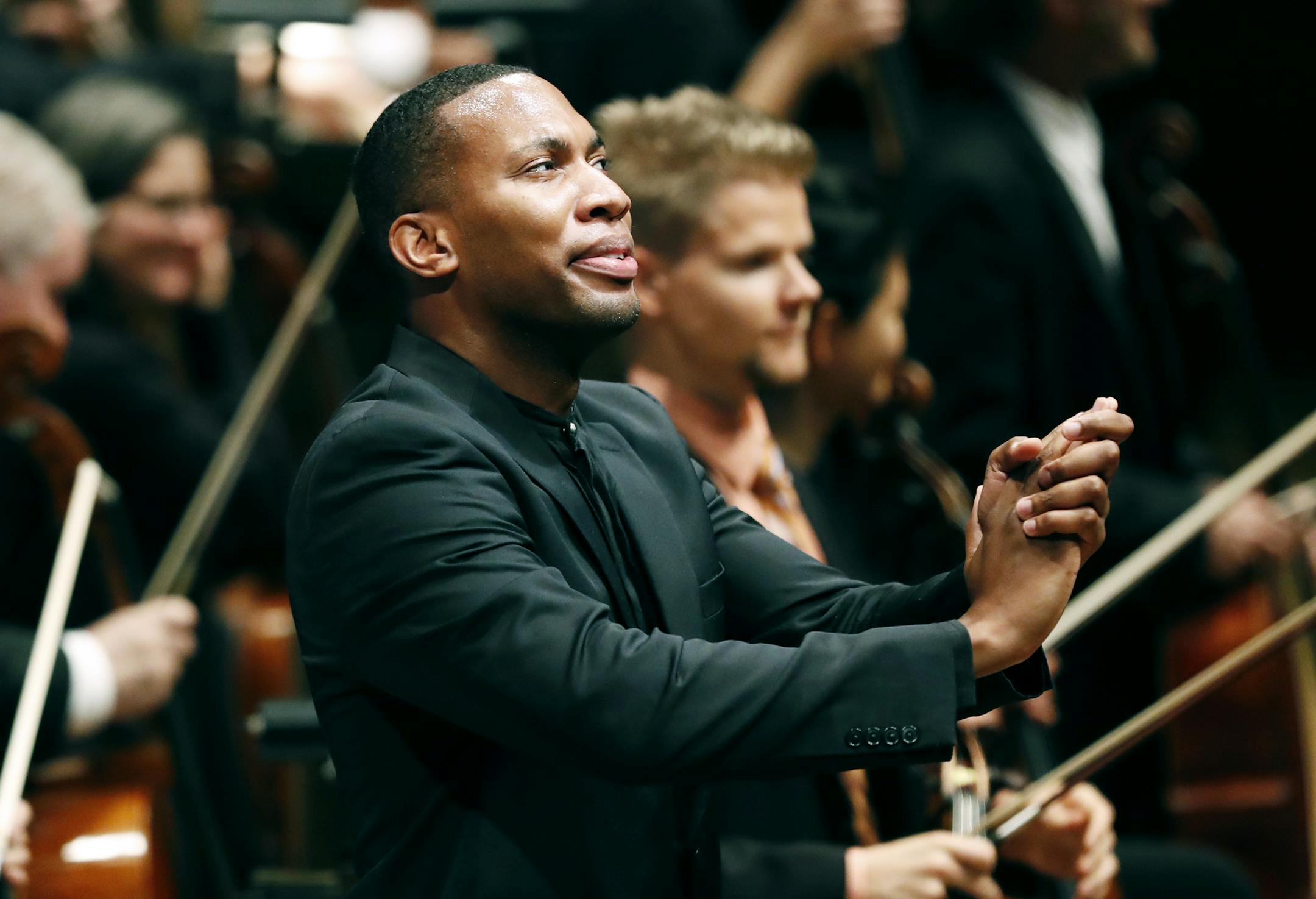
Associate Conductor Roderick Cox, leading his second Minnesota Orchestra subscription concert, locked tightly into Bax's crackling approach to Grieg, creating an especially congenial space for the flute solo in the final movement.
Cox's natural feeling for rubato — small variations of a basic tempo, used for expressive purposes — was even more consequential in Dominick Argento's "Valentino Dances," the work that opened the program.
The swirl and swagger of Argento's music — excerpted from his opera "The Dream of Valentino" — was headily captured by Cox's interpretation, with glimpses of the insecurity that lay beneath the dashing public persona of the iconic Latin lover. William Schimmel played the important, tango-flavored accordion part, and was sensitively amplified.

