FILLMORE, Calif. – A new reality TV show unfolded this year in a cave in a sandstone cliff about 75 miles northwest of Los Angeles.
While home alone and waiting for his parents to return with carrion for dinner, an energetic young male California condor played games on the floor of the cave: tossing feathers and bones into the air with his beak, then pouncing on them with blunt claws.
He also stared at his toes, lifting each one in turn as though playing a piano.
Scientists watching through a hidden video camera were smitten. They had installed the camera and wireless transmitter as an experimental method of monitoring condors, a species slowly recovering from the brink of extinction three decades ago.
The high-resolution camera is for first time providing researchers with a full picture of home life among the enormous scavengers.
Technique can be used elsewhere
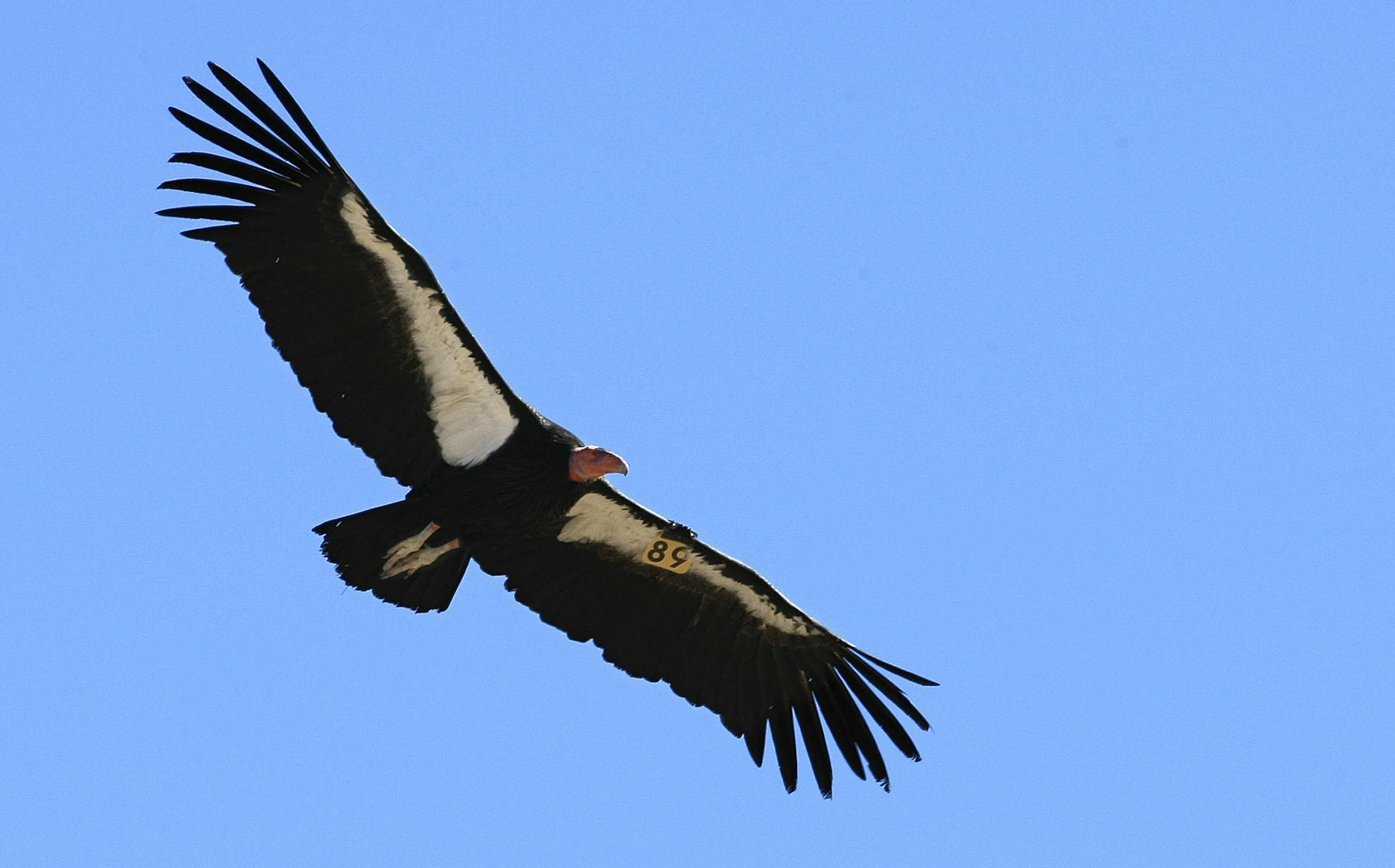
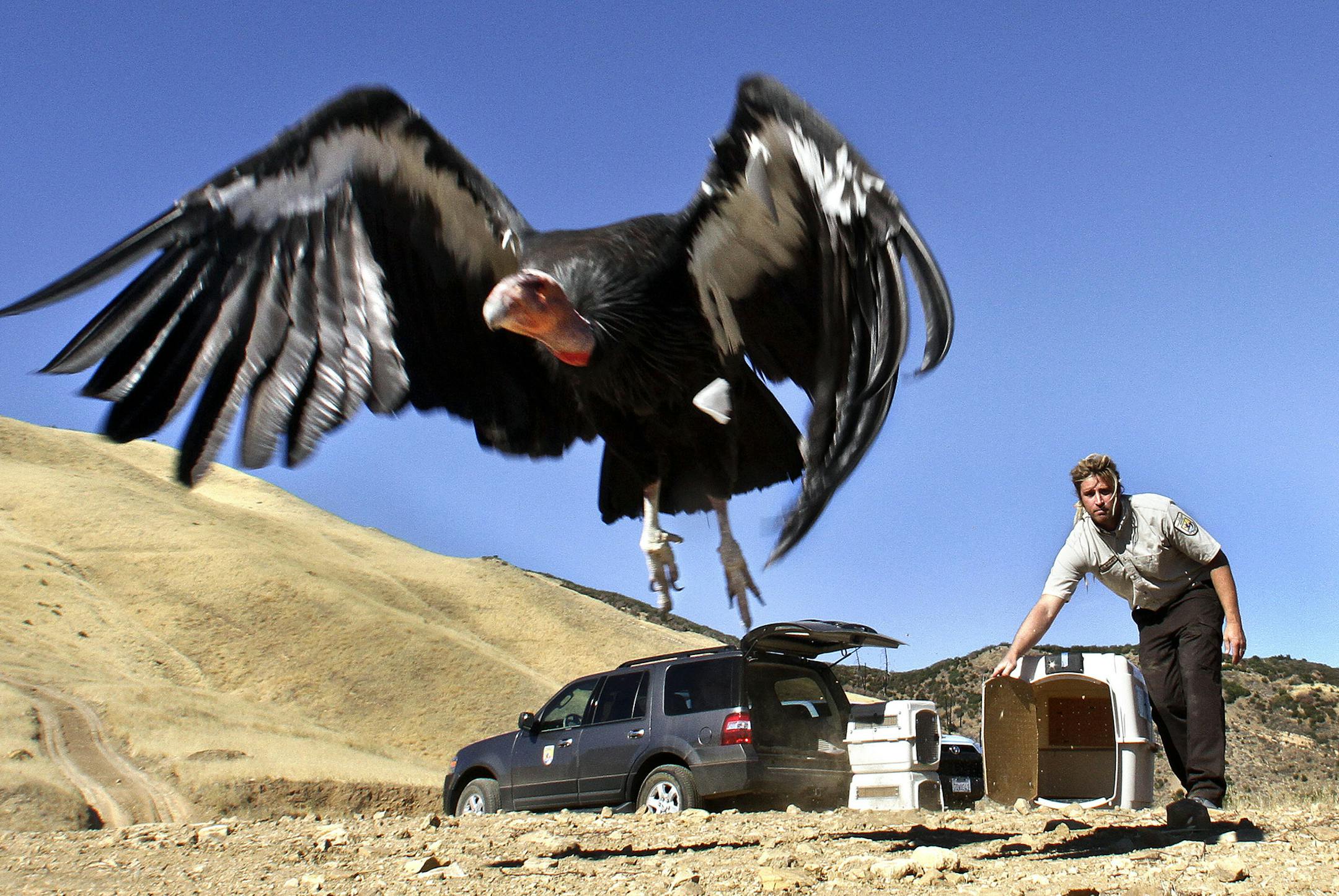
Until now, the birds — with their red-ringed amber eyes, 9½-foot wingspan and razor-sharp beaks — were observed only from great distance through binoculars or spotting scopes. Scientists and volunteer nest guardians could only speculate on what was happening in the caves and hollowed-out redwood trees where condors lay one egg a year. To get a closer look, they rappelled down cliffs and climbed into the nests.
The scientists say the success of the camera holds the promise of improving the care of any number of endangered species.
"We're already using this technique elsewhere," said Charles Eldermire, bird cams project leader at the Cornell Lab of Ornithology. A camera installed this year in a remote Laysan albatross nest on the Hawaiian island of Kauai is providing a more detailed, and grim, understanding of the threat posed by ingestion of plastic that is regurgitated to nestlings.