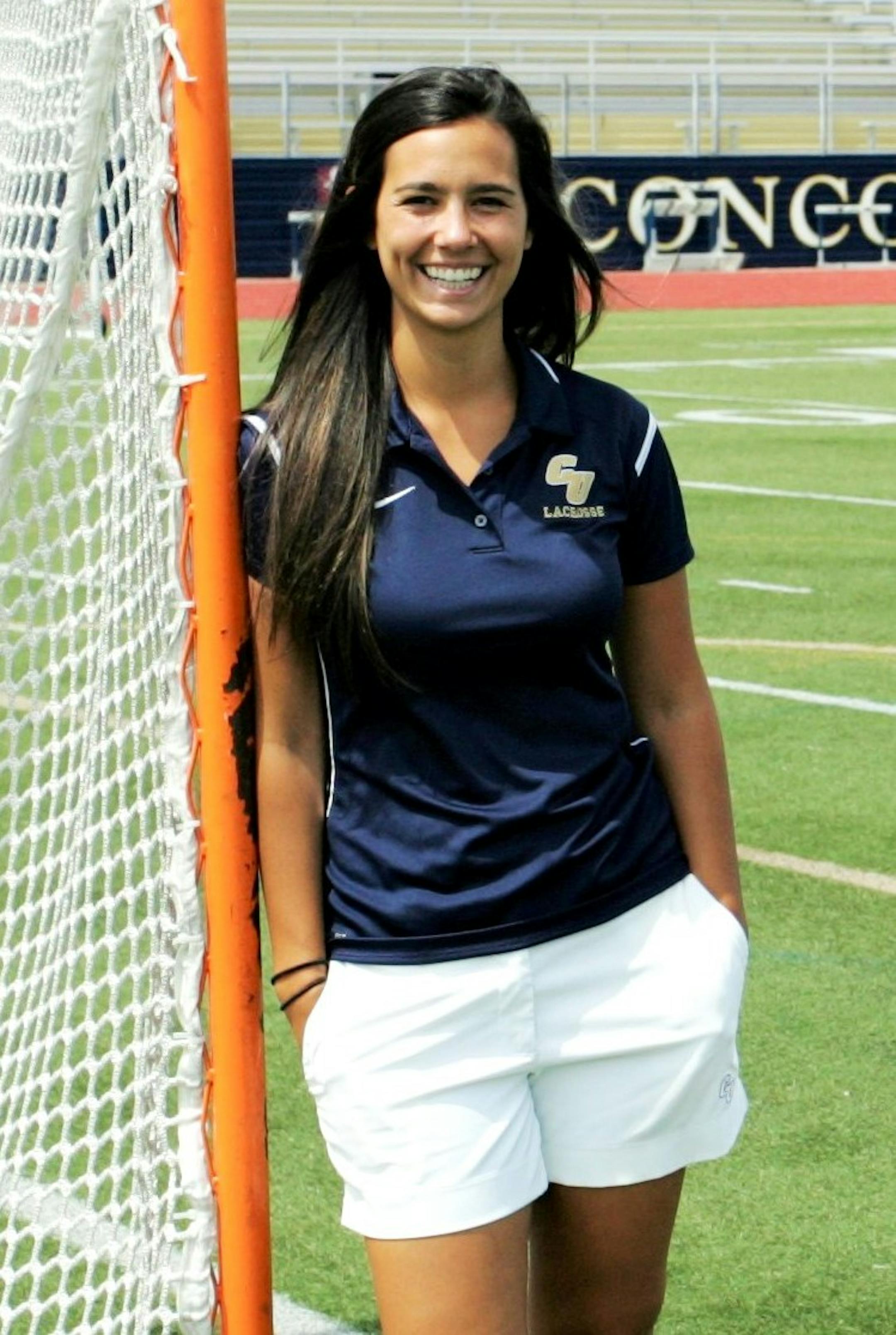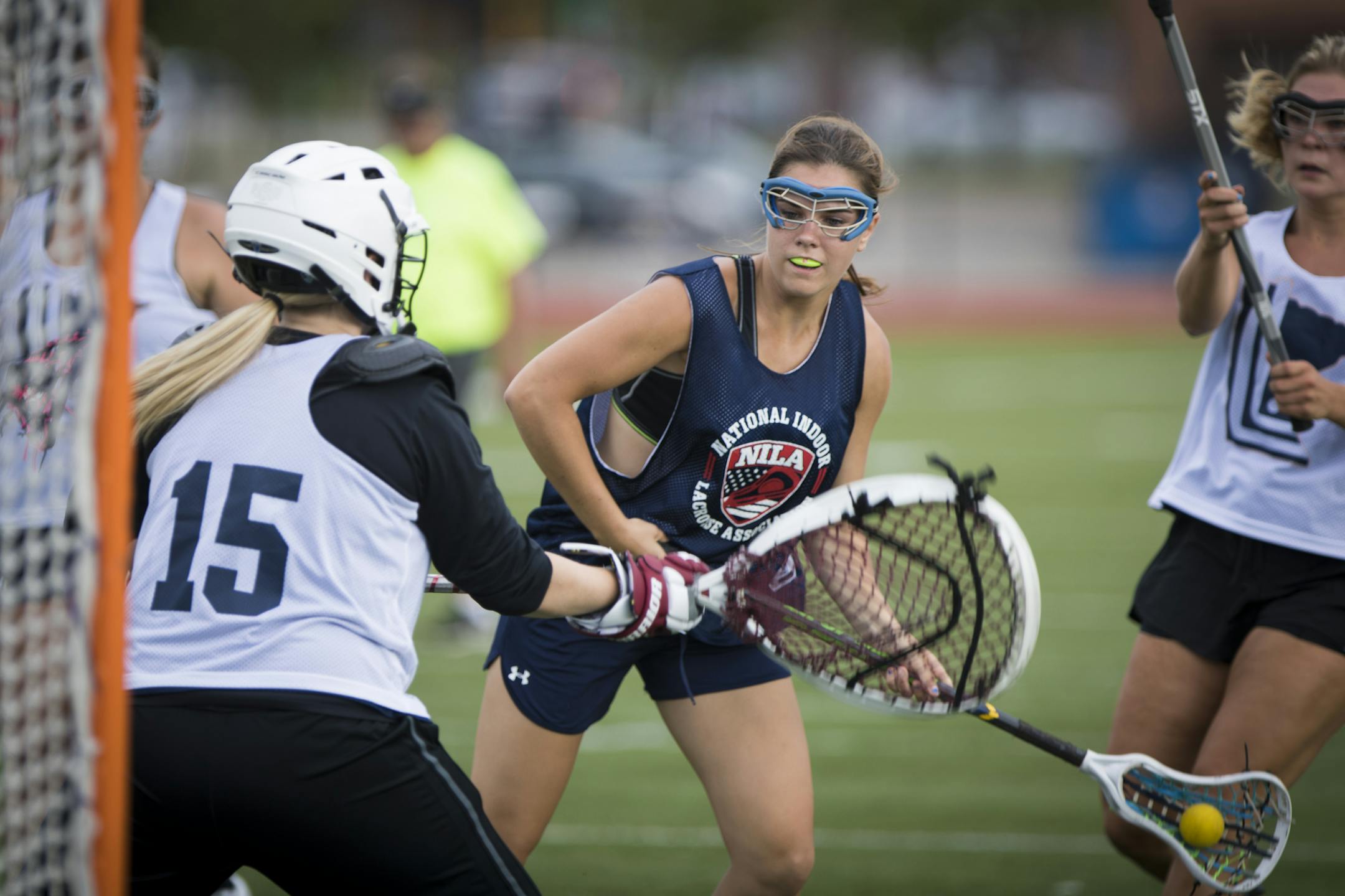
On a warm afternoon in late July on the Sea Foam Stadium field at St. Paul's Concordia University, a dozen or so soon-to-be members of the women's lacrosse team are immersed in a summer-league battle with players from another college.
A hundred yards or so away, Concordia coach Mo Dunnigan sat in her windowless office, juggling a lengthy to-do list as the clock winds down toward the start of the program's inaugural season.
Dunnigan is the architect of the first Division II college lacrosse program in Minnesota and the first to offer athletic scholarships, yet she dare not venture outside. She's been on the job for more than a year and official practices are less than a month away, but per NCAA rules, she still isn't allowed to accurately assess the talent she'll be coaching.
"I can't be a part of any of that," Dunnigan says of the on-field activity. "I can't watch, I can't observe, I can't know who's coming or how they're doing. It's very frustrating."
Not that she's complaining. A lacrosse junkie who has coached or been involved in the sport at the high school, college, professional and international levels, Dunnigan knows that time spent developing other aspects of the fledgling program are equally valuable.
"The good thing is that [the players] have been able to come together and work on some of the things that are really valuable before the coach gets there," said Dunnigan, who played in high school at Lakeville. "The most important thing right now is building chemistry."
Prep growth reaches college
No sport has grown faster of late than women's lacrosse, expanding from 225 teams in 2000 to 470 in 2014, according to the 2015 NCAA Participation report. In Minnesota, lacrosse has been the fastest-growing team sport in the Minnesota State High School League for the past half-decade.
That growth has only recently started to become reflected in varsity collegiate programs. Before Concordia, there were only three college women's programs in the metropolitan area — Augsburg, Hamline and Northwestern (Roseville) — and none of them offered athletic scholarships. There are no men's programs.