
Compressed NFL season would hinder relocated quarterbacks

Kirk Cousins' return under center for a third season could help give the Vikings a leg up on their competition.

March 29, 2020 at 10:04PM
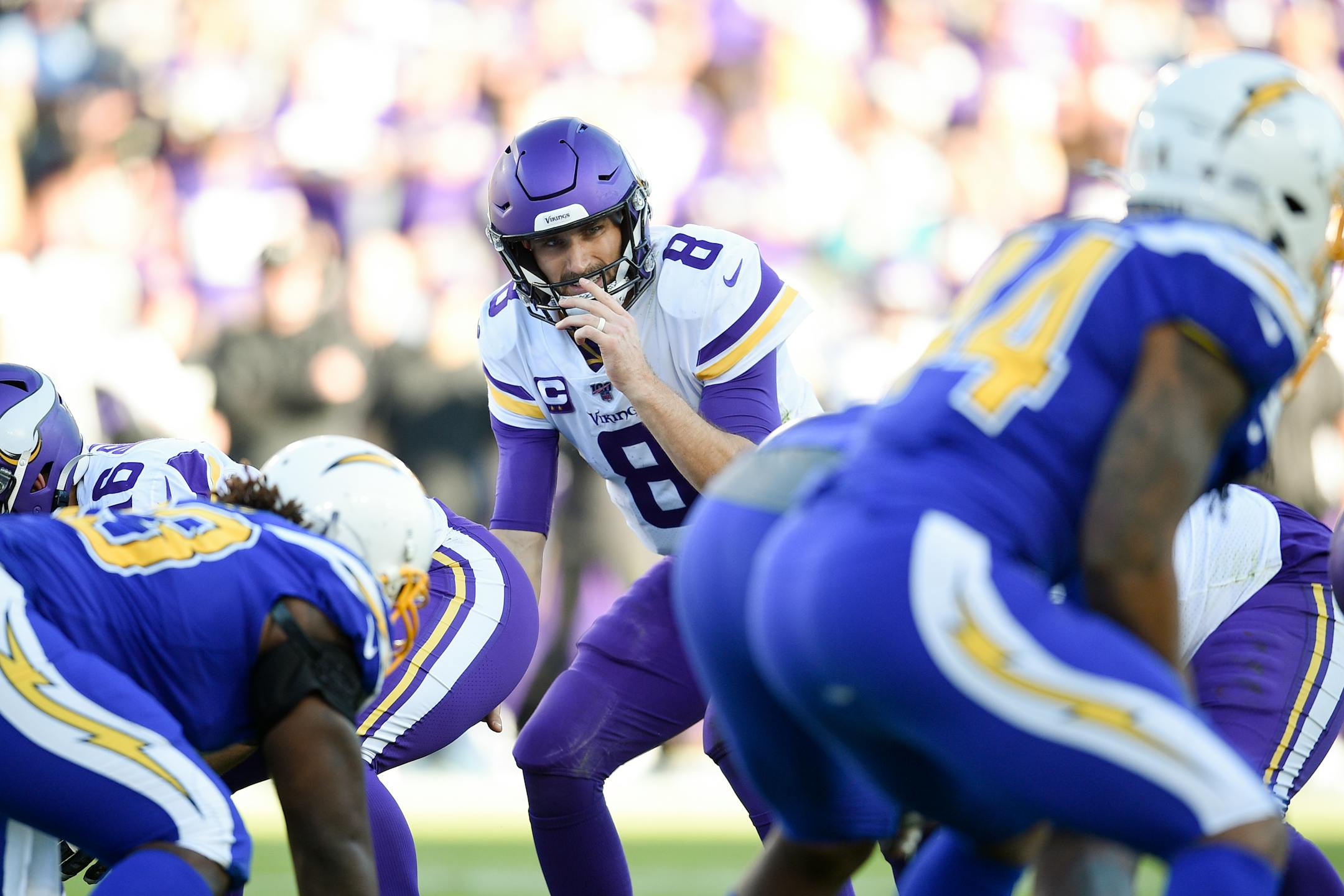
Minnesota Vikings quarterback Kirk Cousins in action during the second half of an NFL football game against the Los Angeles Chargers in Carson, Calif., Sunday, Dec. 15, 2019. (AP Photo/Kelvin Kuo)
The Vikings might be at an advantage having Kirk Cousins under center for a third consecutive season in 2020. (Ken Chia — AP/The Minnesota Star Tribune)

If the NFL resumes this fall, the league might do so without the usual official offseason workouts and practices, and without the informal work that so many players do at team facilities and with each other during the summer.

One possible schedule, if American sports can get back on its feet in time, would feature a shortened training camp and a normal regular season. If that or anything like it becomes reality, the Vikings could benefit.

Bud Grant always said that durability was the greatest ability.

This NFL season, stability might become the greatest ability.

Is it possible that the Vikings' signing of Kirk Cousins will pay off in 2020 because of his durability and stability? While seemingly half the league is changing quarterbacks, the Vikings have one who will remain in the same offensive system and who hasn't missed a game because of injury since he became a full-time starter in 2015.

By opening day, it's likely that seven quarterbacks who have taken teams to the playoffs will be wearing new helmets. Those changing ZIP codes already include perhaps the greatest quarterback of all time (Tom Brady), one of the most prolific passers of all time (Philip Rivers), the MVP of Super Bowl LII (Nick Foles) and former Viking Teddy Bridgewater. The 2015 league MVP (Cam Newton), longtime starter Andy Dalton and last year's NFL passing yardage leader (Jameis Winston) are still on the market.

This is remarkable turnover at the most important and celebrated position in American sports, and it will test the long-held theory inside the NFL that continuity and repetitions are key to winning teams.

Can Brady, who turns 43 in August, adapt to a new team on a short schedule well enough to produce what the Bucs signed him to do, which is to at least make the playoffs and hopefully win a Super Bowl?
As improbable as that sounds, the Vikings might provide the best argument that Brady could succeed.

During the season he turned 40, Brett Favre played perhaps his most efficient season in the NFL in his first year with the Vikings. And he did so without an offseason of acclimation.

The Vikings signed Favre on Aug. 18. On Sept. 13, he started the season opener at Cleveland and led the Vikings to a 12-4 record and within one play of the Super Bowl.

Given that there is no way modern NFL officials would let an opponent brutalize Brady the way the officials in the NFC Championship Game allowed the Saints to brutalize Favre, the 2009 Vikings provide a template for what Brady could accomplish, if the Bucs can build a strong enough team around him.

The downside of the Brady Plan is there aren't many precedents besides Favre to provide optimism. Joe Montana was just 36 when he went to the Chiefs and took them to an AFC title game. Most quarterbacks who change teams late in their careers just play like old, broken-down quarterbacks. The image of Johnny Unitas as a Charger is as sad as that of Willie Mays as a Met.

There is another Vikings angle to this year's quarterback shuffle, and he is the subject of the nostalgic question, "How's Teddy looking?''

Turns out, about five years after suffering the catastrophic knee injury that would eventually lead to the Vikings signing Cousins, Bridgewater is looking pretty good.

He went 5-0 as a starter in relief of Drew Brees last year with the Saints, and recently signed with the Carolina Panthers.

The NFC South next year will feature these starting quarterbacks: Brady, Bridgewater, Brees and Matt Ryan.

Years after a missed 27-yard field goal cost Bridgewater his first playoff victory, he will wage home-and-away duels with two of the greatest passers in NFL history, while trying to prevent Brady from becoming a latter-day Favre.

Jim Souhan's podcast can be heard at TalkNorth.com. On Twitter: @SouhanStrib. jsouhan@startribune.com

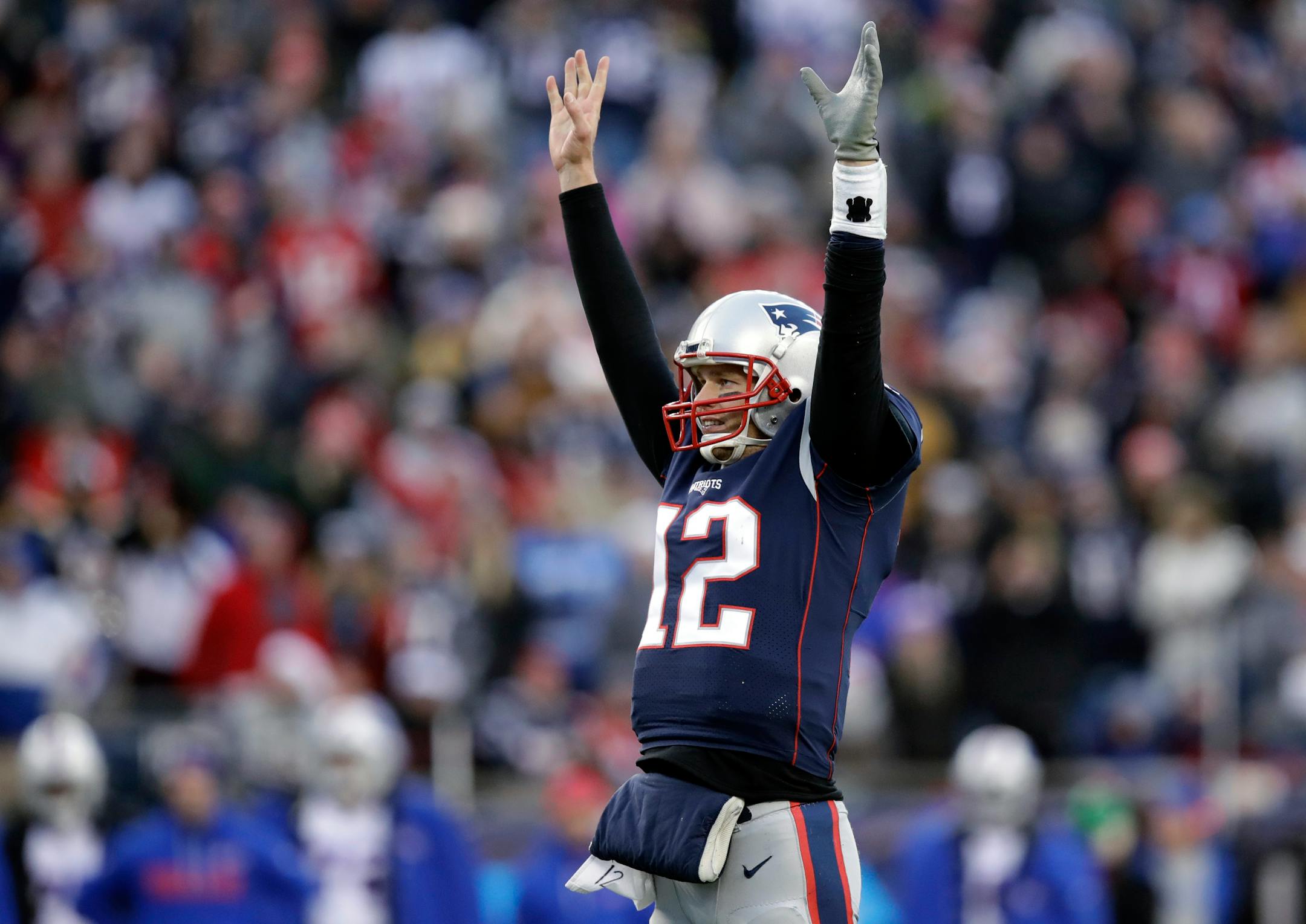
FILE - In this Dec. 24, 2017, file photo, New England Patriots quarterback Tom Brady celebrates a touchdown by running back Dion Lewis during the second half of the team's NFL football game against the Buffalo Bills in Foxborough, Mass. Brady's .774 regular season winning percentage ranks first in the Super Bowl era among quarterbacks with at least 50 starts. With 249 victories overall, including playoffs, he's won almost as many games in two decades as the Tampa Bay Buccaneers have won (273) in
It’s hard enough changing teams late in a career, and now Tom Brady might have less time to get acclimated with the Tampa Bay Buccaneers. (Ken Chia — AP/The Minnesota Star Tribune)
about the writer

about the writer

Jim Souhan

Columnist

Jim Souhan is a sports columnist for the Minnesota Star Tribune. He has worked at the paper since 1990, previously covering the Twins and Vikings.

See Moreicon