

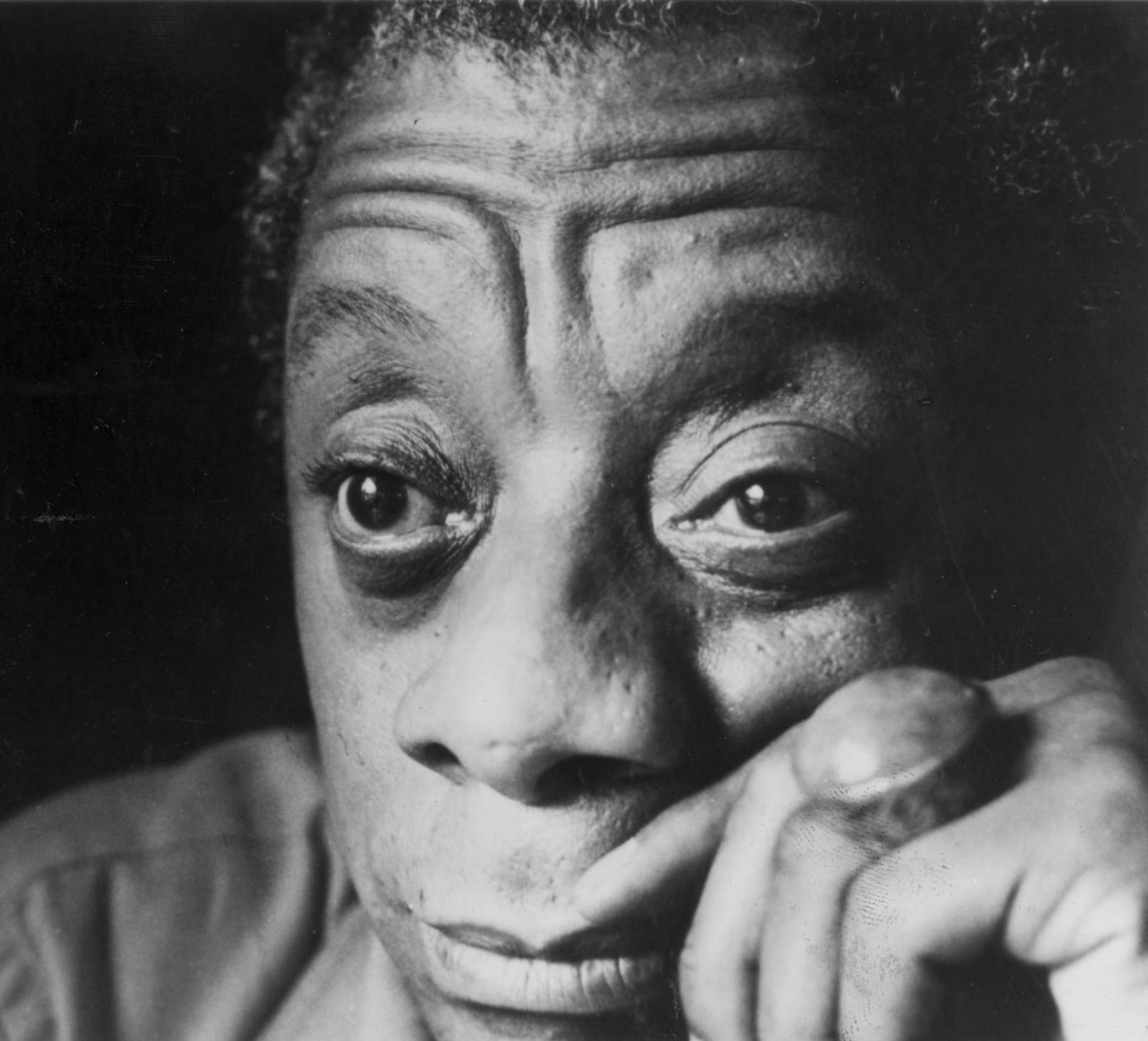
In his 1963 book, "The Fire Next Time," James Baldwin describes meeting Elijah Muhammad, the controversial leader of the Nation of Islam. Baldwin felt alienated by Muhammad's black separatism and by his universal hatred of white people; at the same time, he admired Muhammad's acute understanding of the countless ways in which institutionalized white power continued to injure and suppress African-Americans.
"I felt very close to him," Baldwin writes about Muhammad, "and really wished to be able to love and honor him as a witness, an ally and a father." Yet, reflecting on the moment when the two men said goodbye, Baldwin writes, "we would always be strangers, and possibly, one day, enemies."
Baldwin was as committed as any writer has ever been. But the stuff of his commitment was a moral clarity steeped in intellectual difficulties and ethical complications — a labyrinthine clarity that he refused to sacrifice to prescribed attitudes.
Today, we still revere Baldwin, but by and large we no longer follow his lead as a thinker. There is little patience now for such a rigorous yet receptive moral and intellectual style; these days we prefer ringing moral indictment, the hallmarks of which are absolute certainty, predetermined ideas and conformity to collective sentiments.
In the process of abandoning the type of complex moral clarity that Baldwin practiced, we have made behavior that is unacceptable the equivalent of behavior that is criminal. An equal amount of fury is directed toward actions as morally — and legally — distinct from each other as rape, harassment, rudeness, boorishness and incivility. The outrage over a police shooting of an unarmed black teenager unfolds at the same level of intensity as the outrage over what might or might not be a case of racial profiling by a sales clerk in a small Brooklyn boutique.
This is intentional: The general feeling seems to be that distinguishing between degrees of morally repugnant conduct will lead to some sort of blanket pardon of all such conduct; that to understand is always to forgive. Such concern is understandable, but misplaced — it flattens and obfuscates, rather than clarifies.
This aversion to suspending moral judgment is a new development in cultural life. We were once gripped by "In Cold Blood," Truman Capote's imaginative inhabiting of two convicted murderers, or by "The Executioner's Song," Norman Mailer's empathetic telling of the story of Gary Gilmore, who asked to be executed after he was convicted of killing two men.
These were considered bold, even controversial, at the time, but no one pretended that Capote or Mailer was trying to make excuses for their subjects. Readers and critics understood them as efforts to expand and deepen our awareness of the forces, both inside and outside a person, that shape a human life. It's hard to imagine a similar work being produced in today's climate.


