

All of the foreboding trends that prompted the World Health Organization to declare COVID-19 a global pandemic exactly two years ago are declining in Minnesota.
COVID-19 hospitalizations in Minnesota declined Thursday to 313, the lowest total since Aug. 7 and below the peak of 1,629 on Jan. 14. Positive COVID-19 tests dropped to 3.7% of the total in the week ending March 3, despite a decline in testing activity.
New outbreaks of at least five pre-K-12 students or staff found infectious in school dropped from 816 in mid-January to as few as four in the two weeks ending March 5, according to a Minnesota Department of Health update Thursday.
All of which has health officials asking the hopeful question: When will the pandemic no longer be a pandemic? Epidemiologists are studying when COVID-19 should be redefined as endemic, in which infectious disease levels are constant but manageable, said Dr. Jack O'Horo, an infectious disease expert with Mayo Clinic.
"The fortunate thing right now is we are continuing to see numbers fall as we approach this new normal," he said.
COVID-19 levels have been declining since mid-January in Minnesota, which on Friday recorded another nine COVID-19 deaths and 583 coronavirus infections. The state hasn't had a day without a COVID-19 death since Aug. 15, but the preliminary total of 492 deaths in February is below the peak of 1,073 in December.
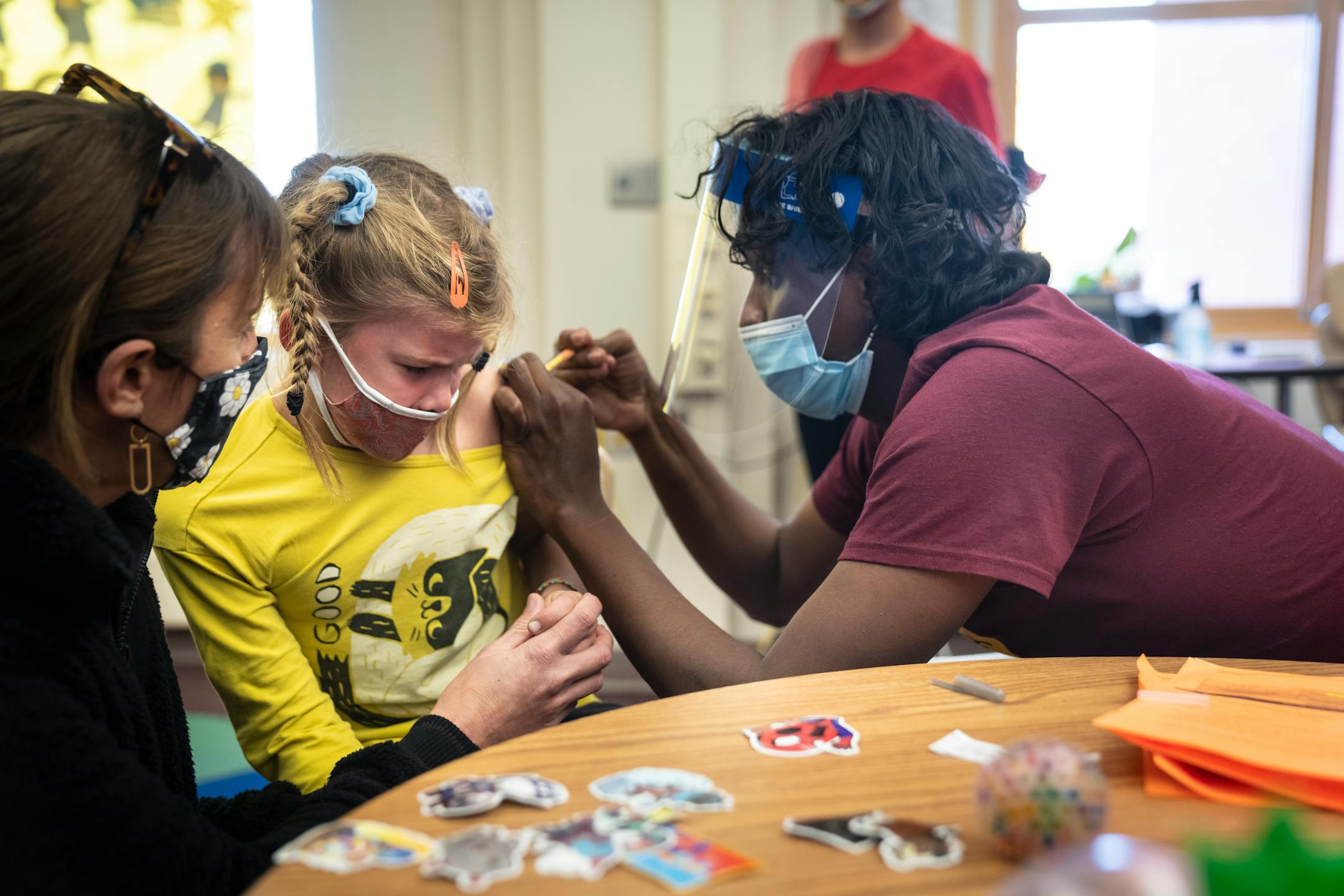
Minnesota this week revised its reporting of COVID-19 vaccinations to emphasize the importance of booster doses to address waning immunity. Only 49% of Minnesotans 5 and older are considered up to date, meaning they have received the initial two-dose series if they are 5-11, or booster or additional doses when recommended if they are 12 or older.
Booster rates decline by age groups from 84% among vaccinated seniors to 36% among Minnesotans 12-15, according to state data, which exclude some vaccinations provided at federal facilities.


