

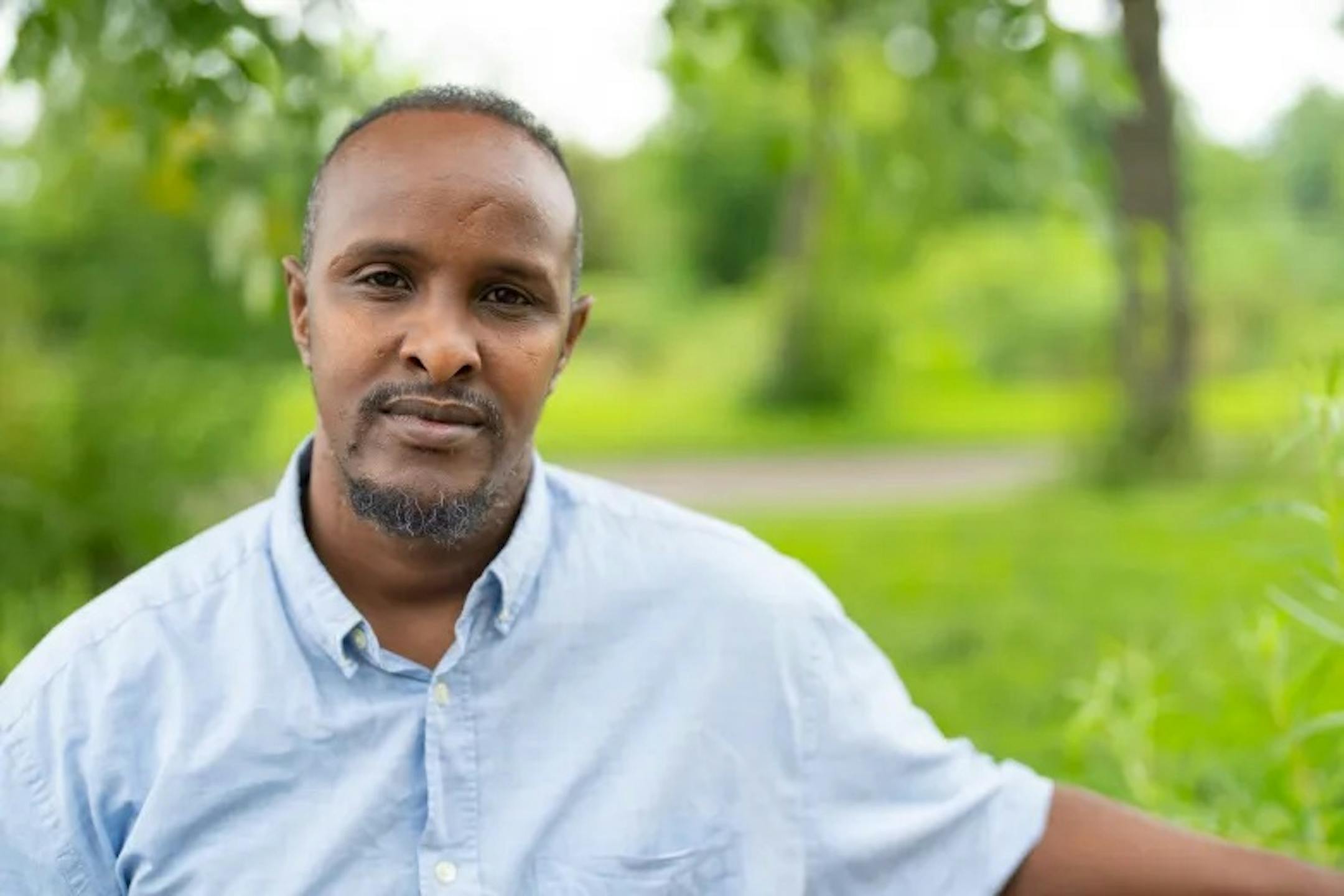
When Hassan Mohamed, a tobacco use prevention coordinator with African Immigrants Community Services of Minneapolis, talks with Somali youths about the hazards of tobacco, he finds himself facing two main adversaries: vaping and hookahs.
Hassan, who has been on the job for six months, and his team hear of those tobacco delivery systems’ popularity during their visits to schools and community centers.
“A lot of youth [vape] nowadays — high schoolers, college students — and actually fall for advertising for different flavors,” he said. “The Somali community are also doing what’s called hookah, which is a different kind of smoking.”
According to the most recent Minnesota Youth Tobacco Survey by the state Department of Health, the rate of teens who took their first hit of a nicotine vape or e-cigarette in 2023 nearly doubled, to 30%, since 2017. About 1 in 10 teens reported using vapes and e-cigarettes regularly, with 80% of those teens reporting being dependent on them.
The good news from the report is that 65% of teen tobacco users had tried to quit, compared to 54% of teens in the 2017 survey.
The Commercial Tobacco-Free Communities Grant Program, using Minnesota Department of Health funding, provides money to local groups for programming aimed at preventing and reducing youth tobacco use.
African Immigrants Community Services was among the first group of grant recipients, with funding from 2022 to 2026. Each grantee receives between $100,000 and $150,000 per year to tailor their prevention efforts to fit the needs of the communities they serve.
Hassan said there is a tendency in the Somali community to hide tobacco use, which makes it harder to intervene.


