

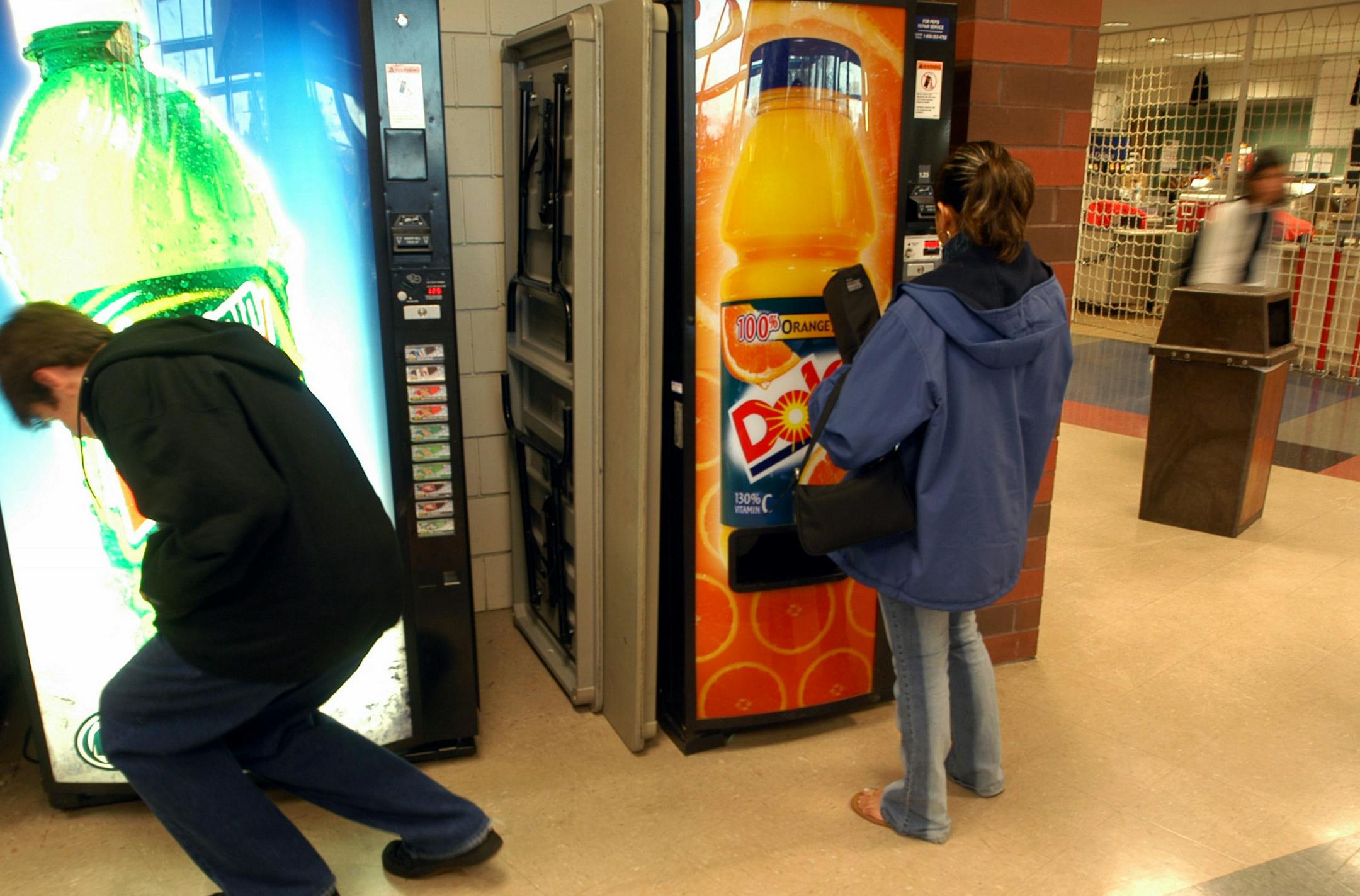
The American Beverage Association, the powerful trade association representing PepsiCo, Coca-Cola and other sugar-sweetened-beverage companies, took California's state legislature hostage this summer.
It proffered a devil's bargain to lawmakers: The trade association would drop its plans to put a measure on the state's November ballot designed to seriously weaken the ability of communities to raise revenue, in exchange for a ban until 2030 on new local taxes on sweetened beverages. California caved.
This cynical soda-tax deal is a stark example of corporate-backed pre-emption laws — that is, state laws that bar local governments from addressing local problems. Such legislation threatens local revenue for police, fire services, parks, libraries, roads, bridges and any other essential municipal services.
This isn't business as usual. This isn't a Republican or Democratic issue. This isn't rural lawmakers reining in their urban colleagues. This is a new breed of naked corporatism — and it is being replicated in statehouses across the country to interfere with local policies on economic development, public health, gun safety, discrimination and environmental issues.
States have long taken a role in local government. But what has changed since 2011, as Columbia University governance expert Richard Briffault explained, is the intentional, extensive and punitive nature of pre-emptive laws. This trend, too often, is propelled by trade-association and business lobbying.
Some of these efforts have provoked intense national debate, such as North Carolina's "bathroom bill" that targeted transgender people. But most of these laws are designed, in the words of Texas Gov. Greg Abbott,"to reduce, restrict and prohibit local regulations" of industry — and they pass quietly.
Local governments across the country have steadily lost power every legislative session over the past several years, with no sign of letting up. Mayors, city council members and county commissioners have been stripped of tools they once used to keep residents safe, pursue racial and economic equity, ensure livable wages, ban discrimination in housing and the workplace, and safeguard fair elections. All of these are now in question.
National and local business associations have lobbied states to prohibit local minimum-wage increases, and 25 states have done so. Restaurant interests have pressured states to block local workers from earning paid sick days, and 22 states have done so. And in 43 states, legislatures have done the bidding of gun lobbyists to ban local efforts to address gun violence.


