While comics aren't likely to become a girls' club anytime soon, many recent graphic novels are female-oriented, either in subject matter or protagonist. The quality is uneven, but they're worth a look.
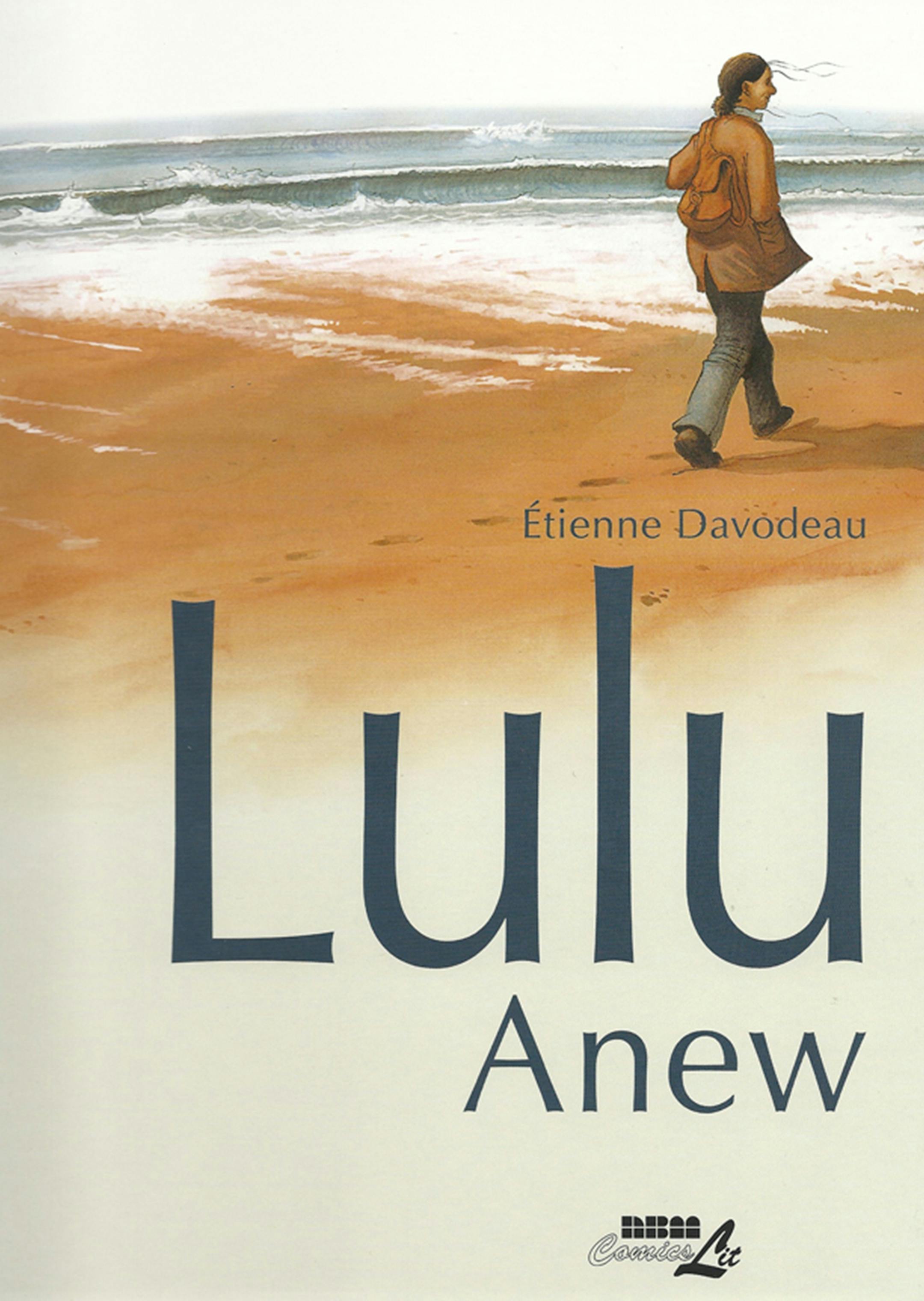
Take, for example, "Lulu Anew" ($27.99, NBM Publishing Inc.) by Etienne Davodeau, translated from the French. The story, such as it is, concerns a middle-aged housewife named Lulu who, one day, just leaves. While on a job interview at a seaside town a train ride away from home, Lulu goes on walkabout. She doesn't call home to say she's leaving her husband or anything, she doesn't indicate when or if she's coming home; she just starts walking down the beach.
While we get very little of what's going on in Lulu's head — the story is told via her family and friends as they discuss the situation — it's clear she doesn't really have a plan at all. But we learn more and more as her worried friends and family do.
That seems like pretty weak tea. But as the various threads play out — the traveling companions, the abusive husband, the crusty oldest child, the shallow neighbors, the unexpected fling — you begin to understand what Lulu's runaway act is all about. Not so much in words, exactly, but in understanding how her life has been circumscribed and limited, her dreams crushed or stillborn. You may not be a middle-aged, mediocre French housewife, but by the end of "Lulu Anew," you know how it feels to be one.
The artwork is rendered in the expressive, attractive Franco-Belgian style favored on the continent. The quiet competence of the artwork brings a stillness to the work, as if characters and readers alike are holding their breath in anticipation of … what? The narrative gives you an answer, but as with "Lulu Anew" in general, the reader will have a genuinely personal reaction.
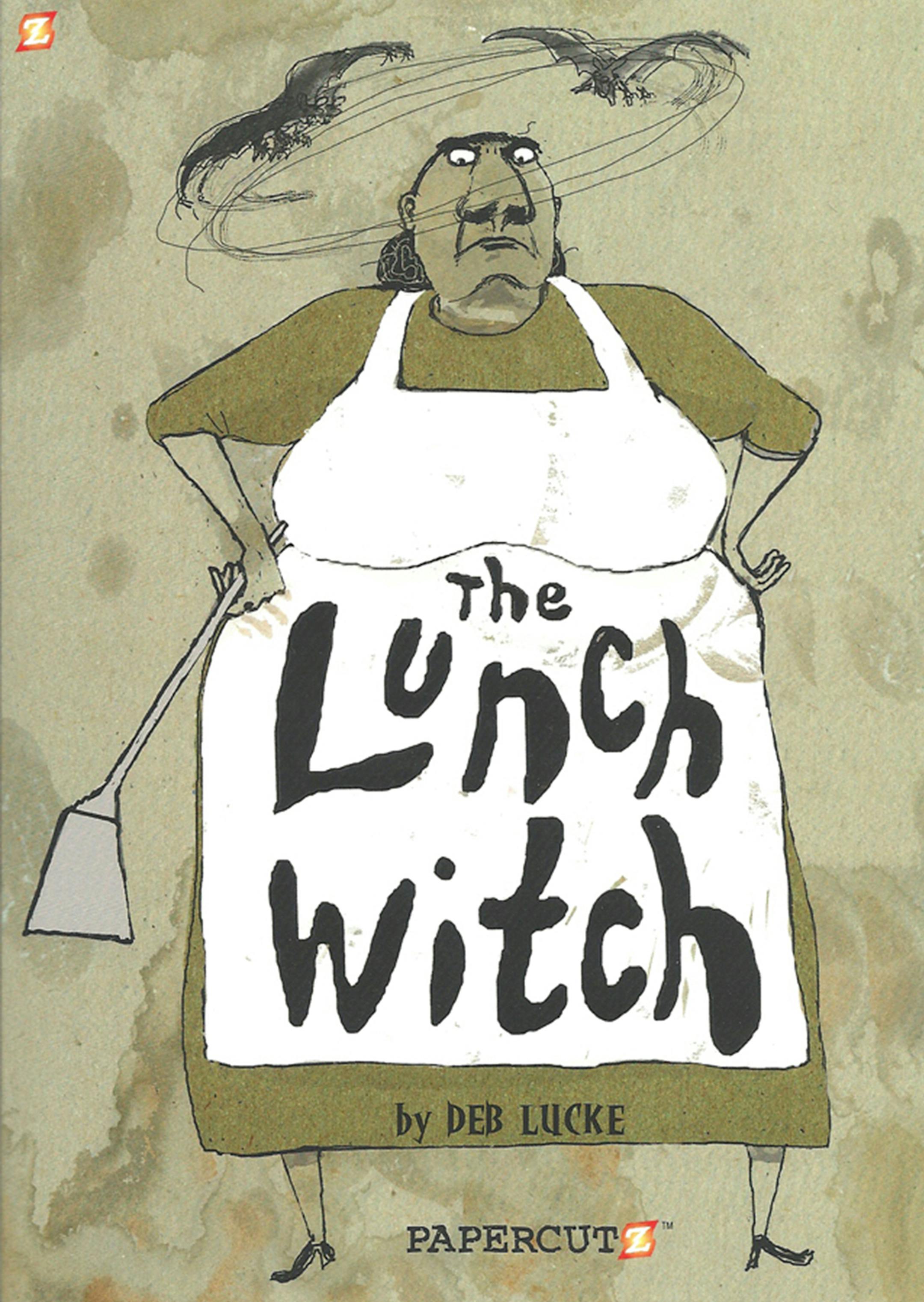
Grunhilda Blackheart, another middle-aged woman, is the star of "The Lunch Witch" ($14.99, Papercutz), one of those rare books that can appeal to both kids and adults.
Grunhilda finds herself in a place familiar to many in the working world: Her industry is in decline, her skills are mostly obsolete and she has just lost her job. OK, her industry is black magic, her skills consist of brewing evil potions and her job was at the Salem Haunted Museum, all of which are likely unique. But her situation is little different from that of many other middle-aged workers crushed in the global economy.
Amazingly, Grunhilda's job search turns up something for which she is perfectly suited: elementary school lunch lady. Where else are noxious potions and mysterious meats not only acceptable, but expected?