

Comic-book fans have a leg up on the story line for the box-office hit "Captain America: The Winter Soldier."
Given the enormous amount of information available on "The Winter Soldier," it seems almost preposterous that anyone didn't know by now what that character's real name is. For example, the "Marvel Studios: Assembling a Universe" TV special on ABC March 18 revealed who the character is. And even someone who has never read a comic book but has paid attention to casting in the two Captain America movies should guess who the Winter Soldier is.
But, OK, we have to pretend it's a big secret — but for comics fans, that cat was already out of the bag before the movie's release. This movie is based on a story that ran in "Captain America" comics from 2005 to 2007, so regular readers already know the broad outlines. However, there's lots of other stuff in "Winter Soldier" to talk about.
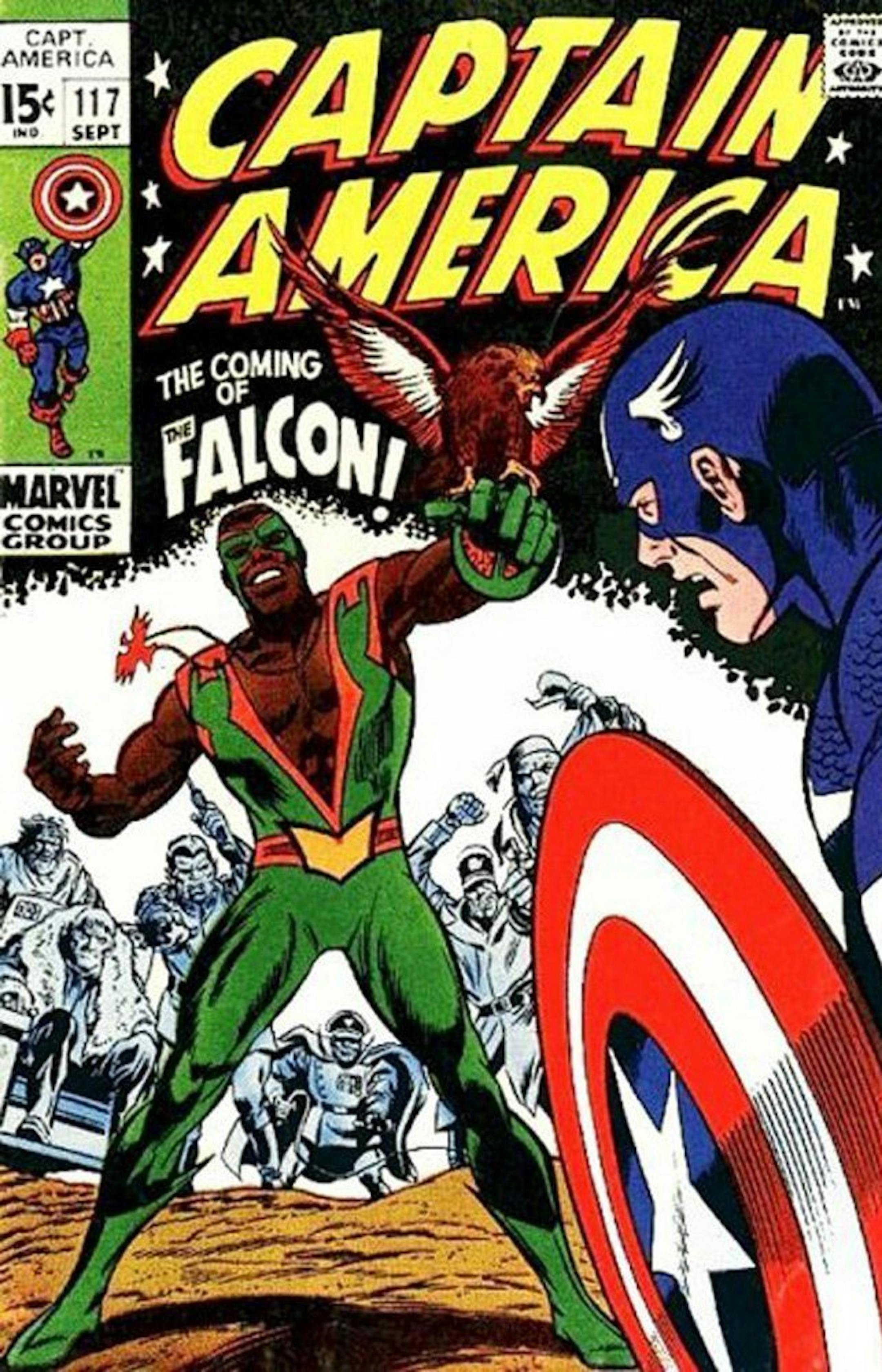
For example, this movie introduces Sam "The Falcon" Wilson, a character who has been Steve "Captain America" Rogers' best friend and frequent partner since his introduction back in 1969. In the comics, Wilson has a high-tech, red-and-white winged flight suit, and a rapport with birds (especially his pet falcon, Redwing) that borders on telepathy. He just has the high-tech winged flight suit in "Winter Soldier" — but gun-metal gray instead of circus colors, more in tune with the movie's political/espionage vibe.
Comics fans are jazzed about this, because Falcon has been a major player in "Captain America" comics for decades. Falcon is played by Anthony Mackie in the movie — but, unlike Fox's upcoming "Fantastic Four" reboot, Marvel Films isn't "colorizing" its cast to sell tickets: The Falcon has always been an African-American. Marvel has been a trailblazer in heroes of color going back to Black Panther (1966), and Falcon is reflective of that.
There is less camaraderie between Cap and another African-American star in the movie, S.H.I.E.L.D. Director Nick Fury, played by Samuel L. Jackson. That, too, is straight out of the comics — Fury has been in the world of espionage for so long that even he's not sure when he's lying anymore. Nobody in the comics really trusts Fury, nor should they. He's on the side of the angels, but he's an ends-justify-the-means kind of guy, which doesn't sit well with straight arrows like the Star-Spangled Avenger.
Then there's Natasha "Black Widow" Romanoff, who has a star turn in this movie — and it's not what you'd expect. The easy path for the moviemakers would be to establish a romance between Steve and the Widow, but instead they're contrasting the characters. Chris Evans, who plays Captain America, says the Black Widow has pretty questionable morals and "makes her living by lying," whereas Captain America is "a Boy Scout."
But there is romance, in the form of Cap's longtime lady love in the comics: Sharon Carter, Agent 13 of S.H.I.E.L.D. (played by Emily VanCamp). In the first movie, as in the comics, Cap's girlfriend in World War II was Strategic Scientific Reserve Agent Peggy Carter — and the identical last name is no accident. Hold onto your heart strings, because Hayley Atwell — who played Peggy in the first movie — is in this one, and it's not a flashback.


