Have you ever noticed a big insulated tube dropping down next to the floor near your furnace or boiler in the basement?
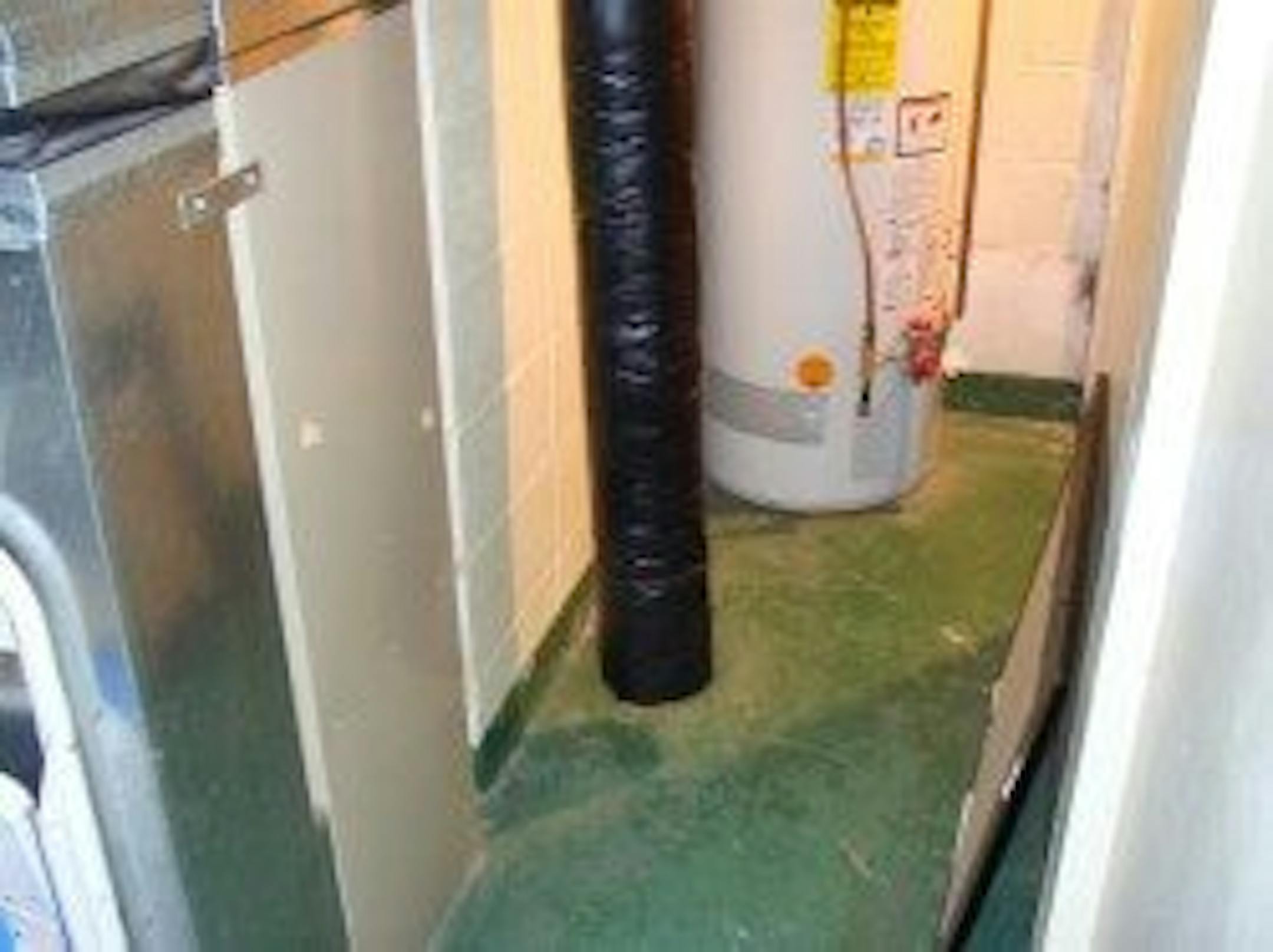
If you trace this duct down, you'll find that it connects to an opening at the exterior of the building. This is essentially just a hole in the side of the building that brings in fresh outdoor air. Homeowners, builders, and insulation contractors spend lots of time trying to seal up every little air leak in to a house, but then the building code requires this big hole that allows cold air to just dump in to the basement. Silly, right?
I'll try to help make some sense of this.
Houses need air
This opening is a passive intake that provides needed air to the home. There are several items in a home that remove air - here's a partial list of common items found in Minnesota homes that remove air from the house:
- Furnaces and boilers that are not direct vent / sealed combustion type
- Water heaters that are not direct vent / sealed combustion type (at least 99%)
- Bathroom exhaust fans
- Kitchen exhaust fans
- Clothes dryers
- Wood burning fireplaces
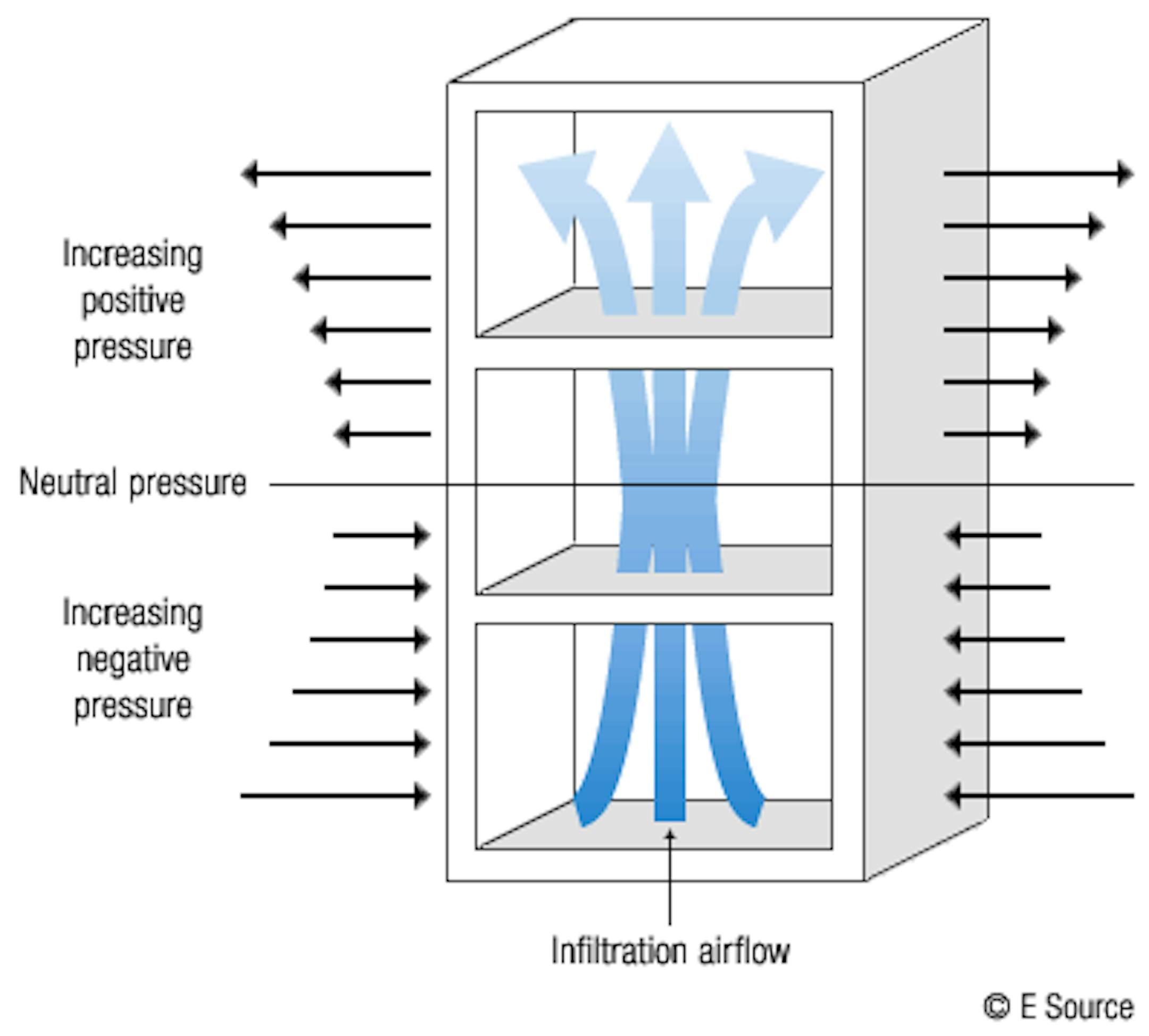
The stack effect in a home, wind, and radon mitigation fans may also remove air. The most common and obvious problem with too much air being removed from a house is a backdrafting water heater, but there's a lot more to it than just this.
Houses leak
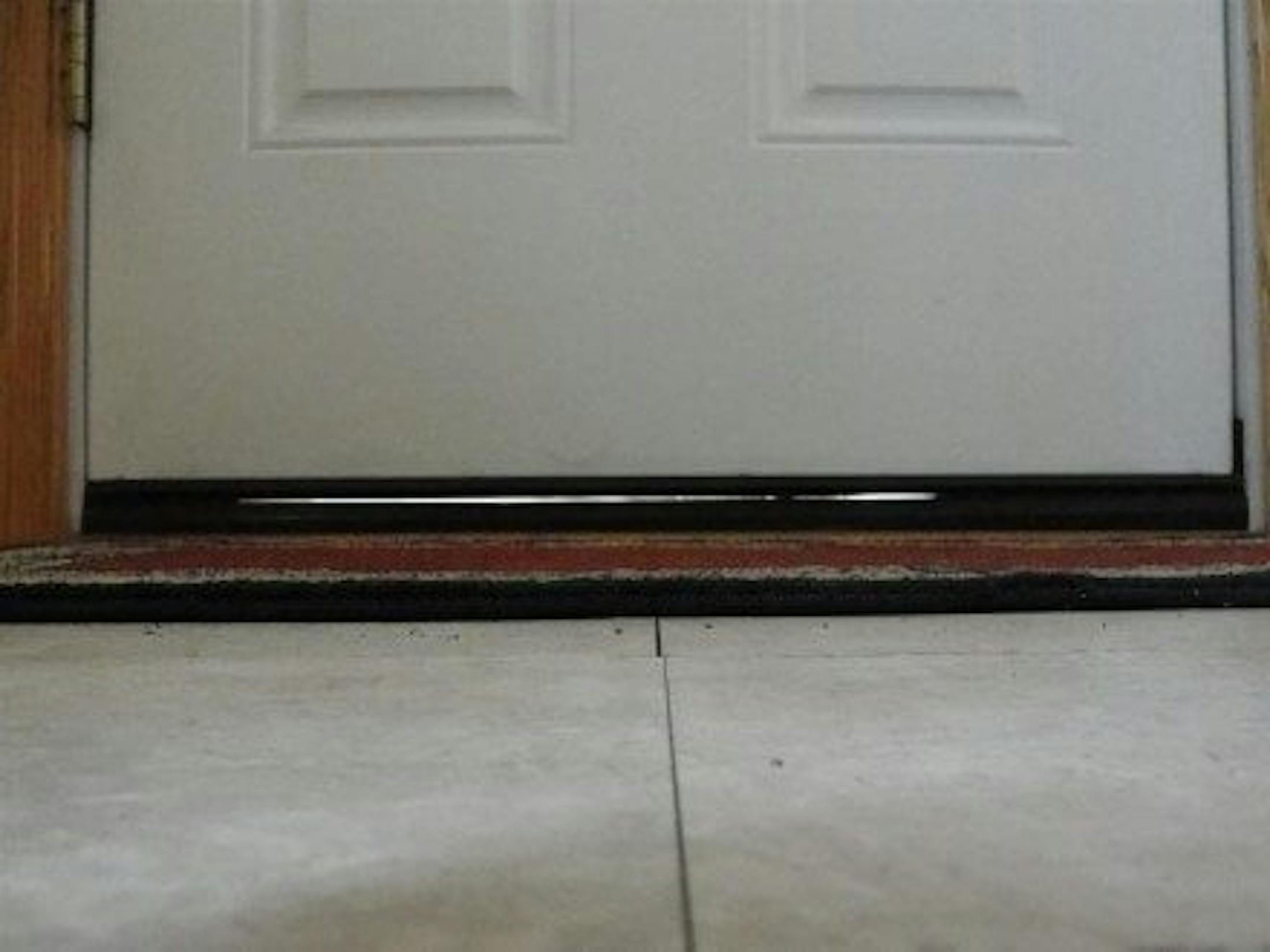
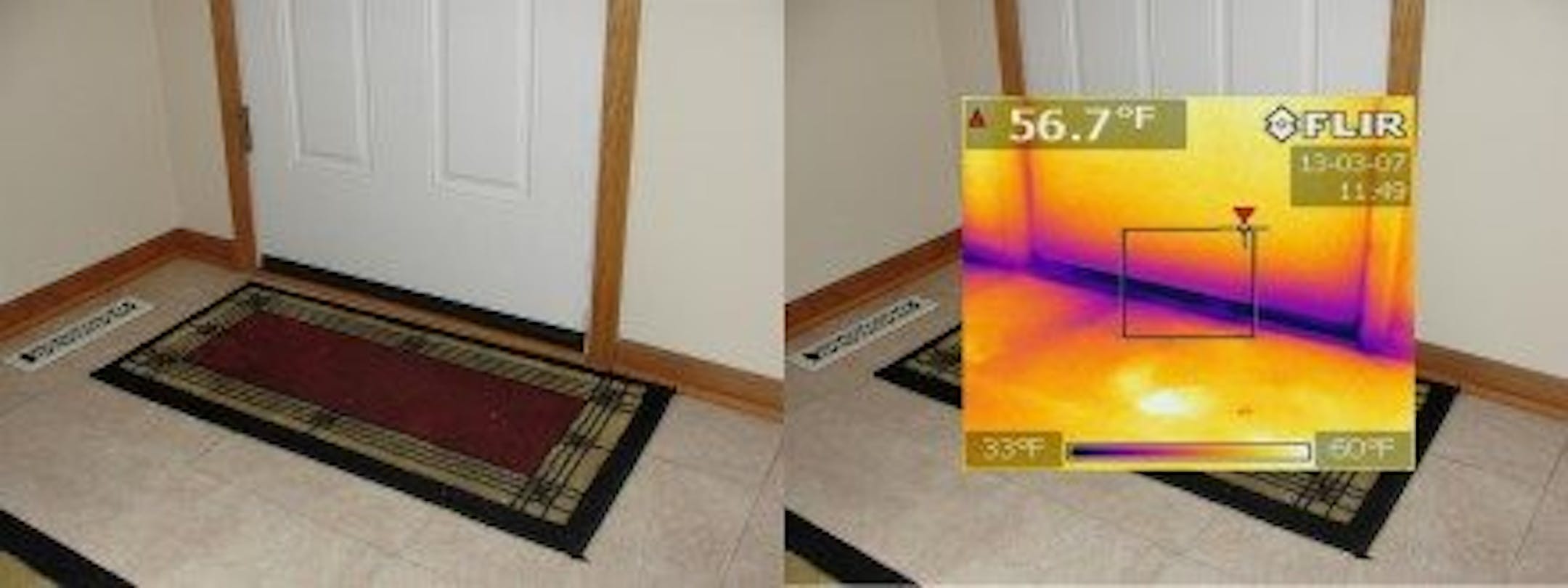
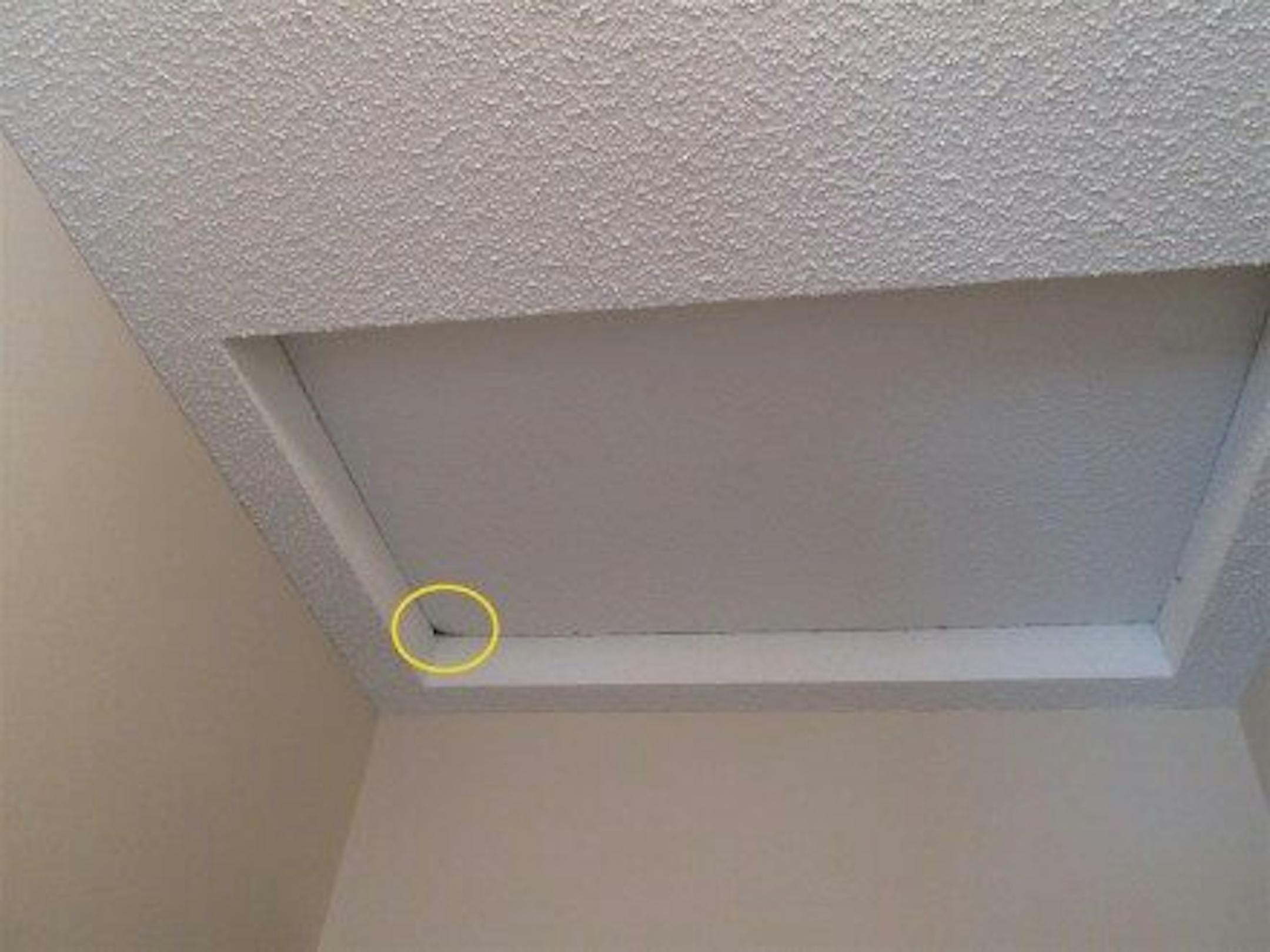
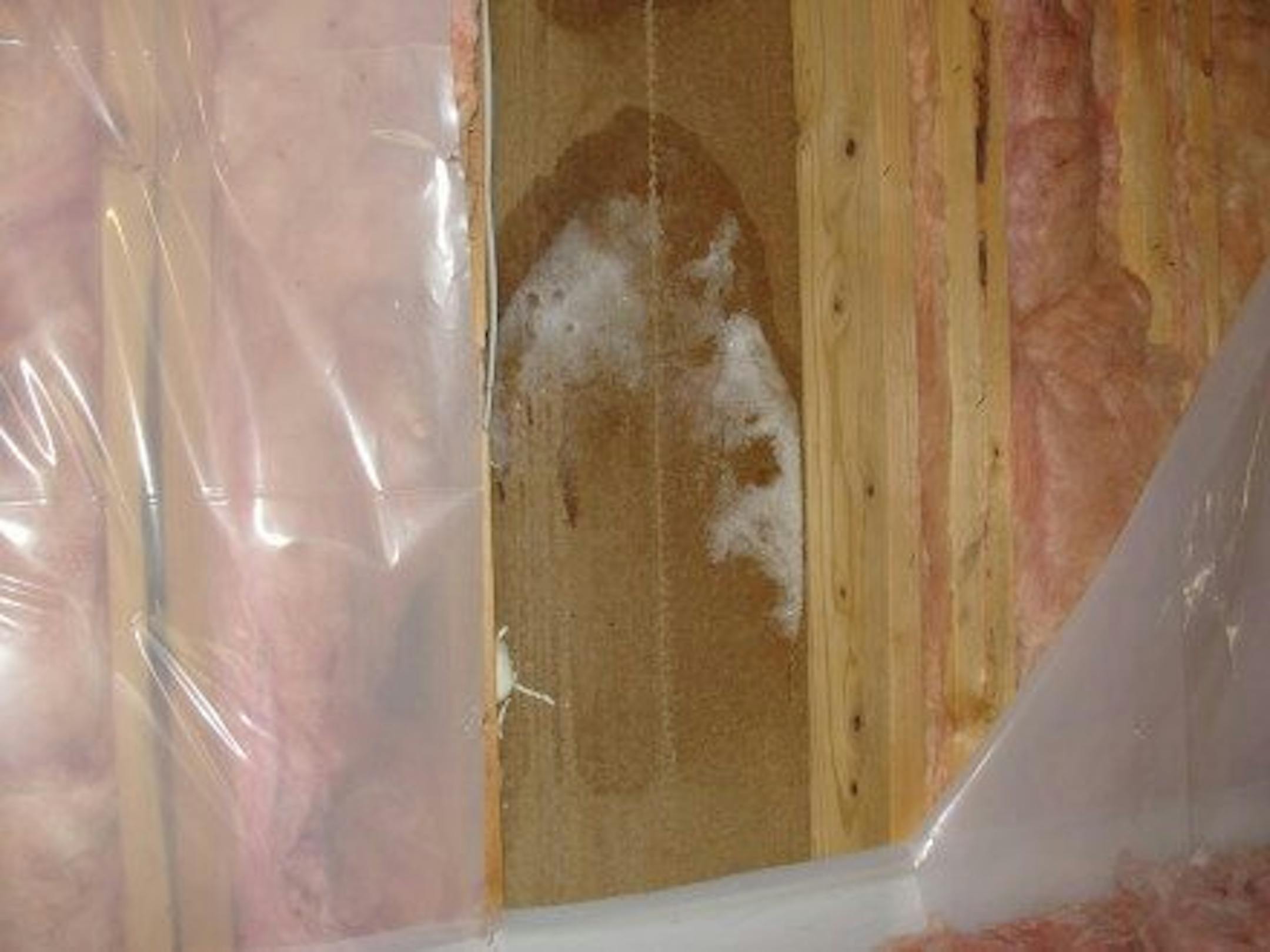
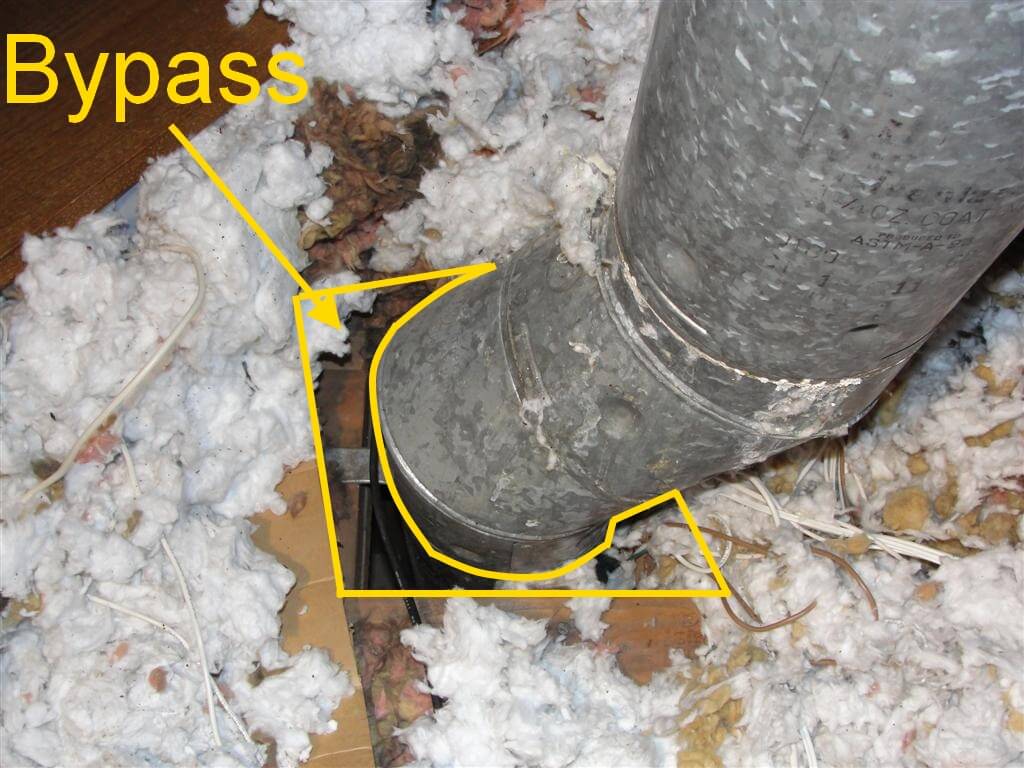
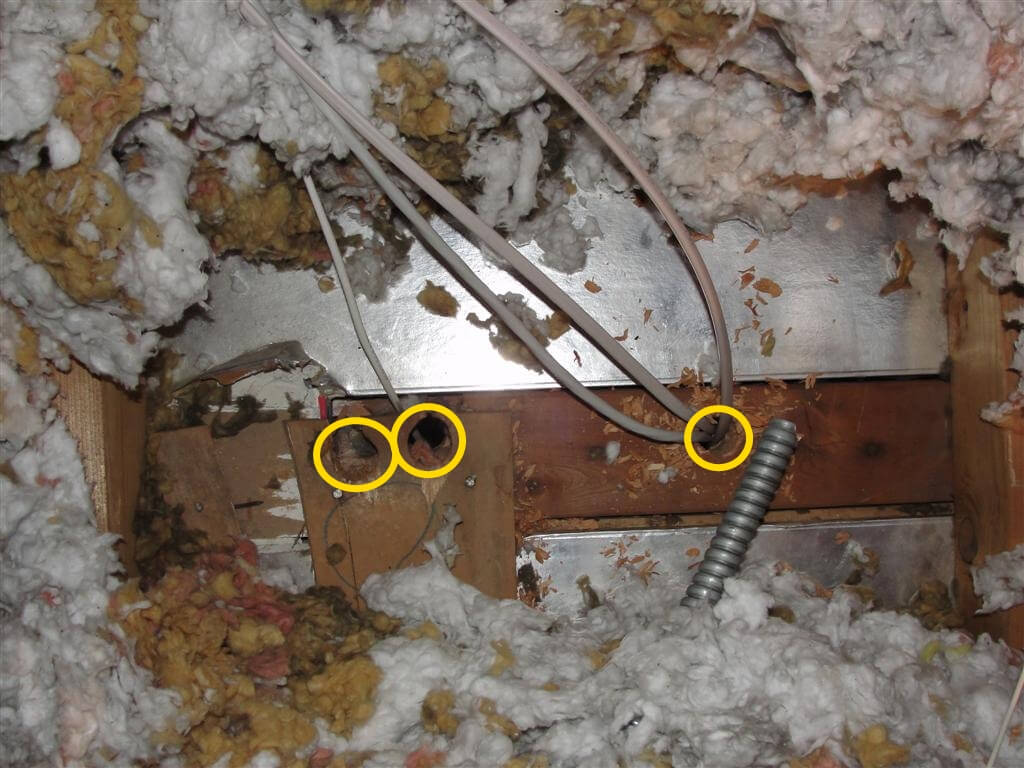
When air is removed from a house, it has to be replaced. If a house is not built tight, the air will get replaced from every little hole in the envelope in the house; the photos below show a few examples. These are the things that get corrected to make houses "tighter". The first photo below shows an outlet box at an exterior wall that hadn't yet been sealed. Those openings get sealed in new houses today, but this never used to happen.
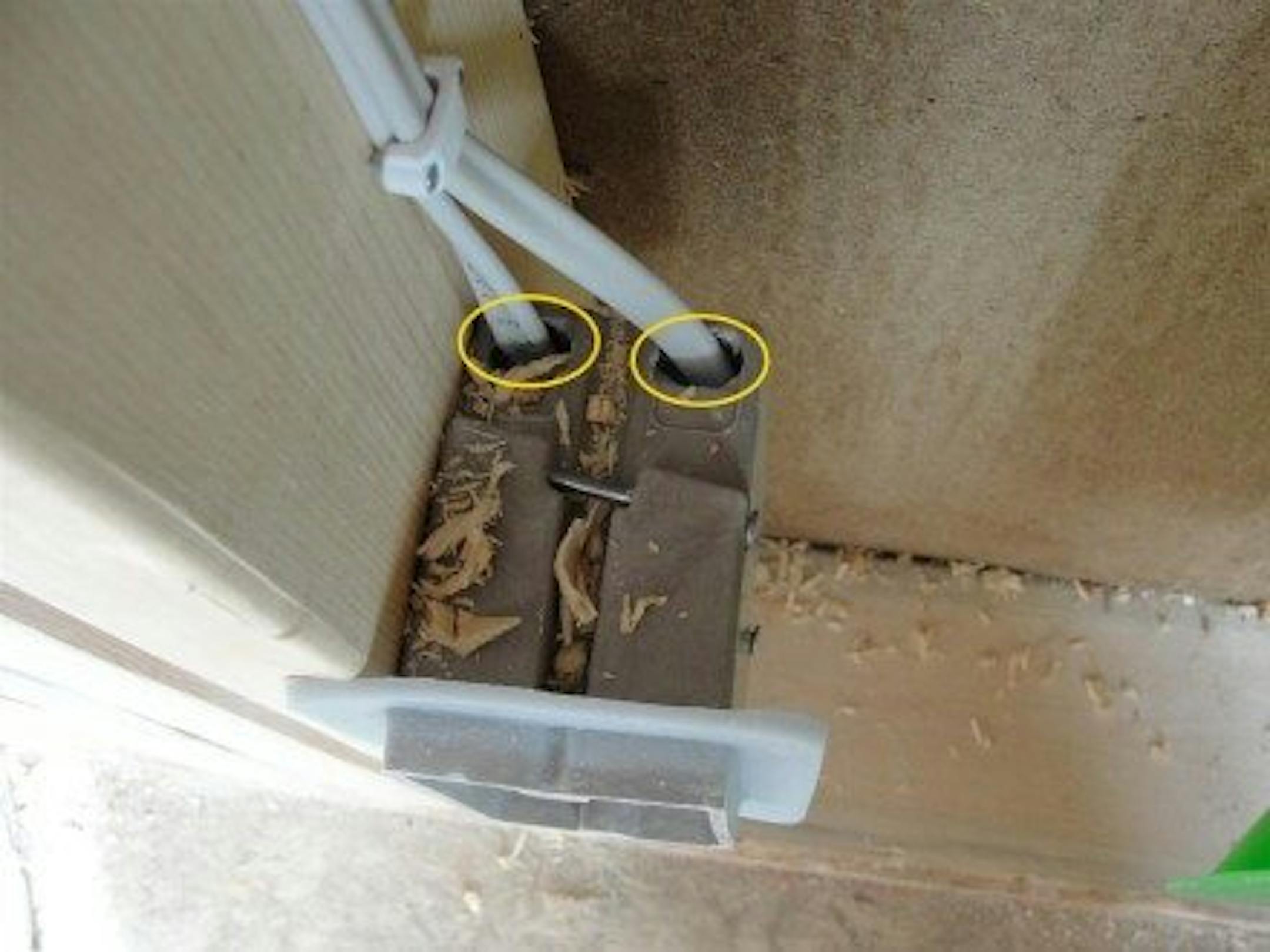
The photo below shows the furnace vents going through the rim joist. Daylight is visible around these penetrations, which means air leakage.
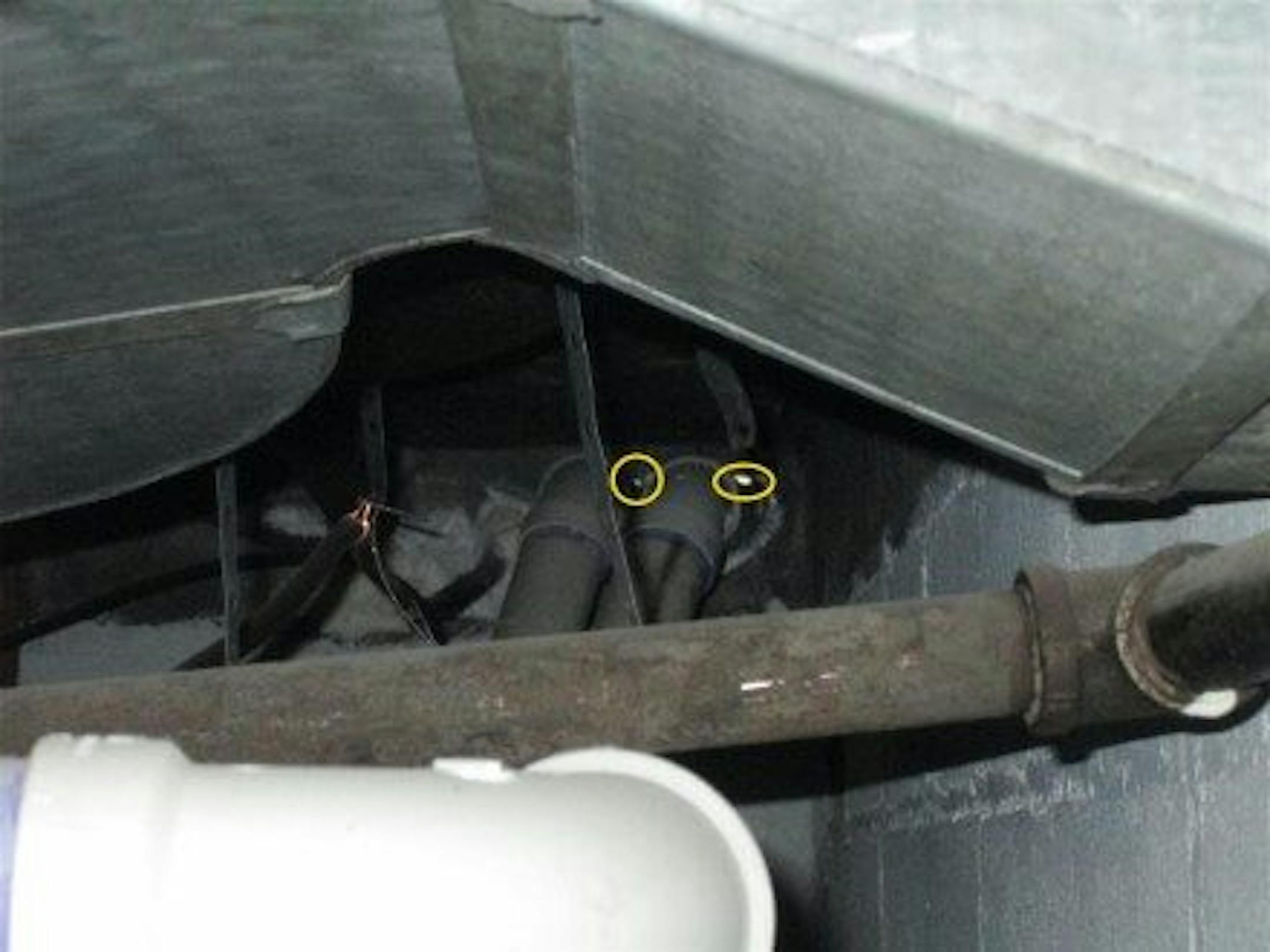
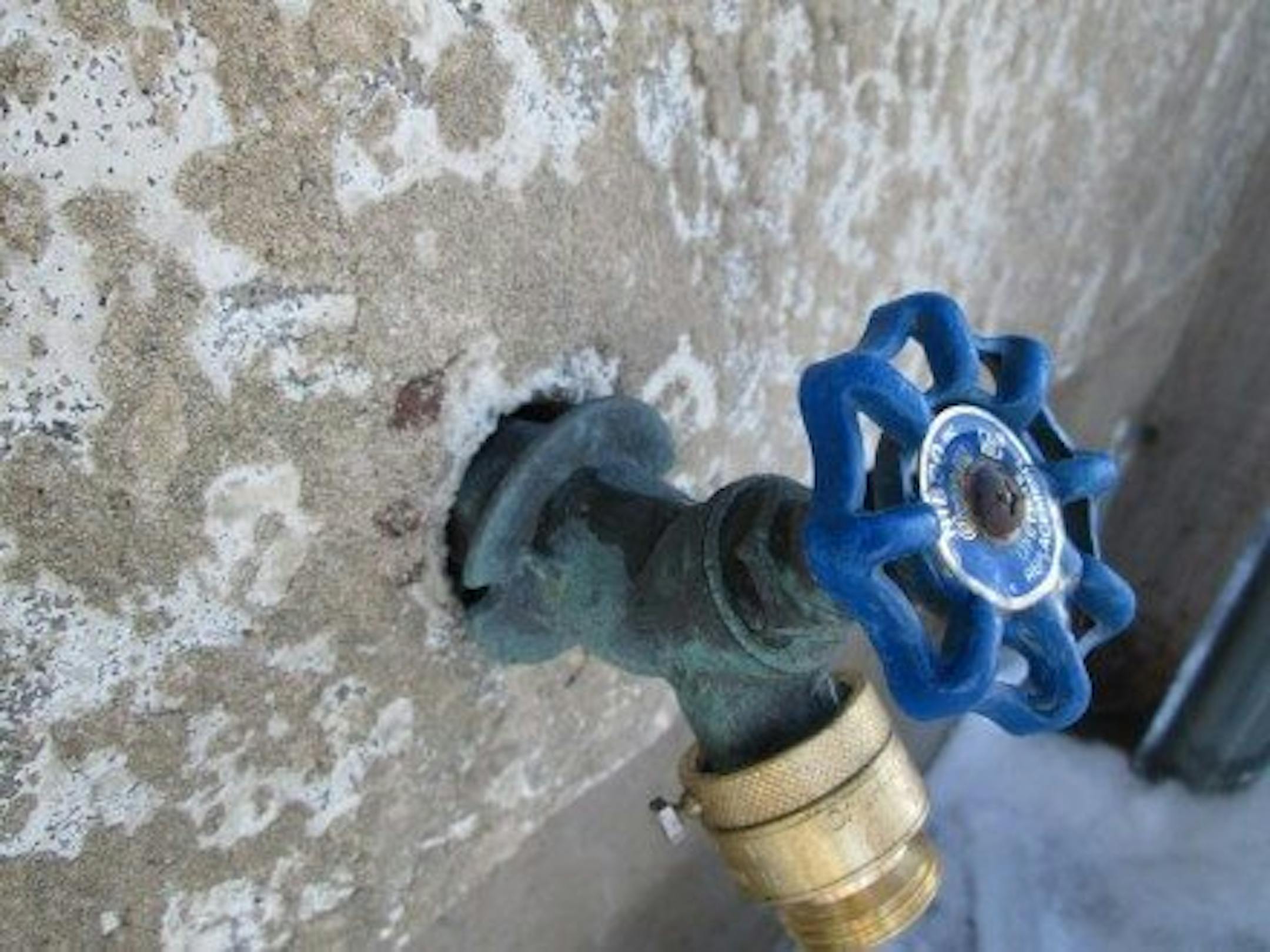
The opening around the faucet is obvious.