Someone should cue the fairies.
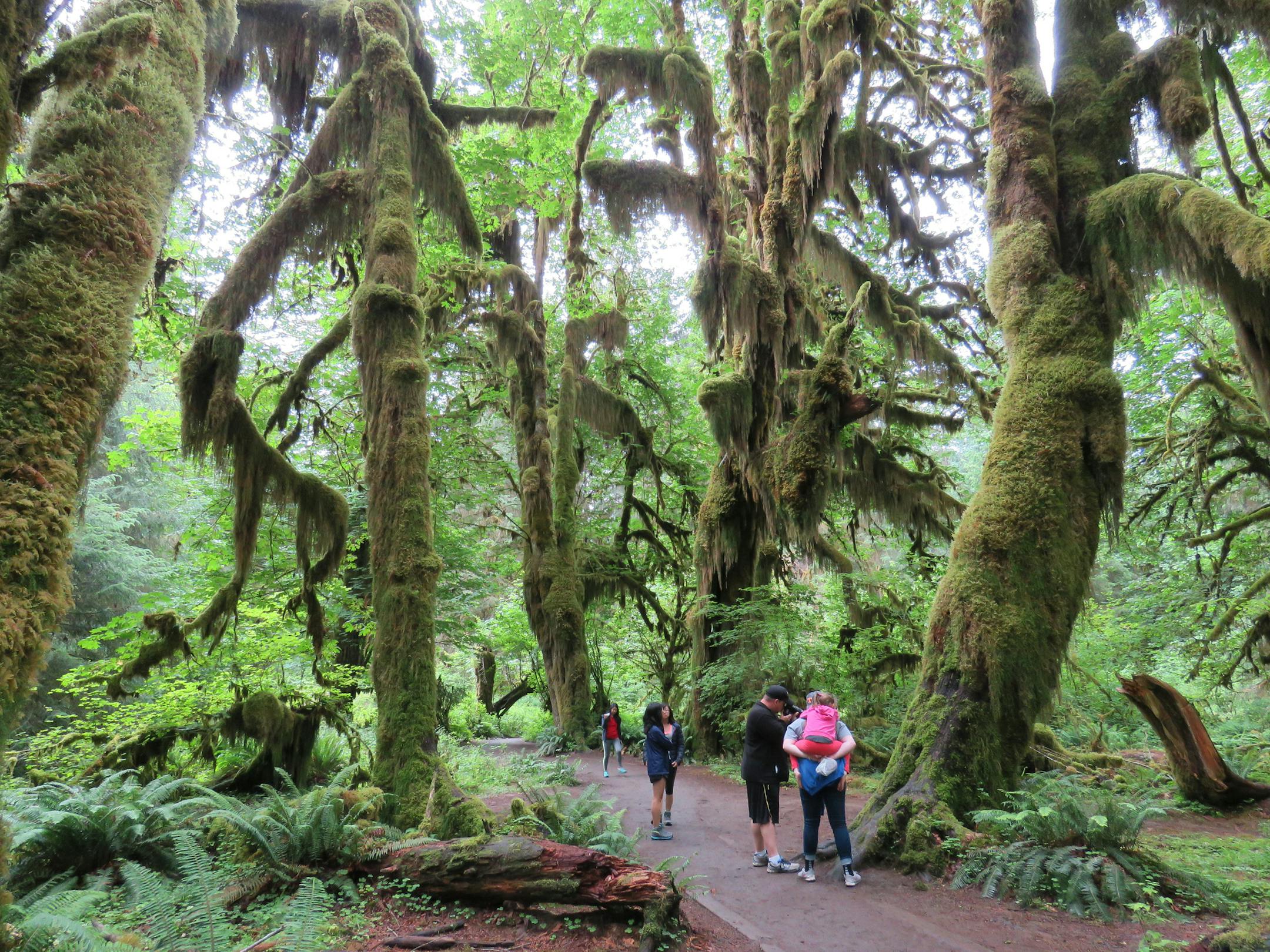
That's all I can think as four of us step onto the Hall of Mosses Trail at Olympic National Park in Washington state. Sitka spruce and western hemlocks tower 200 feet or more above us, while lush ferns circle tree trunks up to 50 feet in circumference. It would take more than 10 people to hug these trees.
Coming from Midwestern prairies and tame woods, my mom and our two friends, Christine Lanphear and her husband, Chris Kline, hike like we're explorers on a different planet — stopping every few feet to marvel at the moss, lichens and shaggy plants that carpet every millimeter of bark and earth. It drips from arches of big-leaf maples like shaggy fur on ancient forest giants.
"I found another one!" a young boy ahead of us yells to his parents as his brother scampers ahead. "That's 20!"
They are counting pickle-sized banana slugs and fat black ones oozing along branches, their mom explains. I wrinkle my nose and imagine something more personable and less slimy, like fairies or leprechauns, Yoda or Bigfoot.
The peninsula is best known for tree-scaling vampires and shape-shifting werewolves with Stephanie Meyer's "Twilight" novels and movies set in the real coastal towns of Forks and La Push. The inland rain forest gets 12 to 14 feet of rain a year, creating the velvety branches and hushed, mossy ground where we barely hear our footsteps. Almost anything seems possible.
'Bones of the forest'
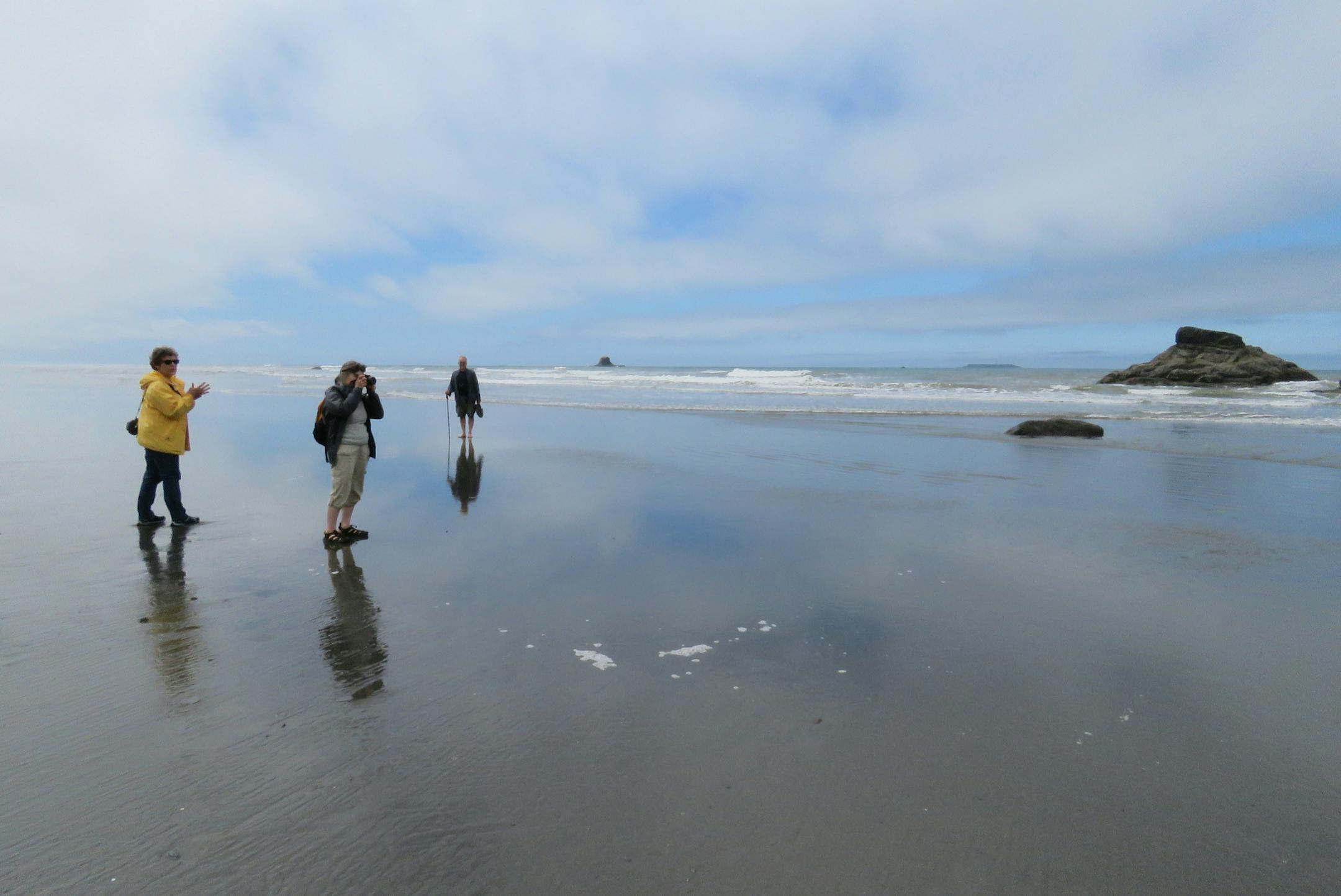
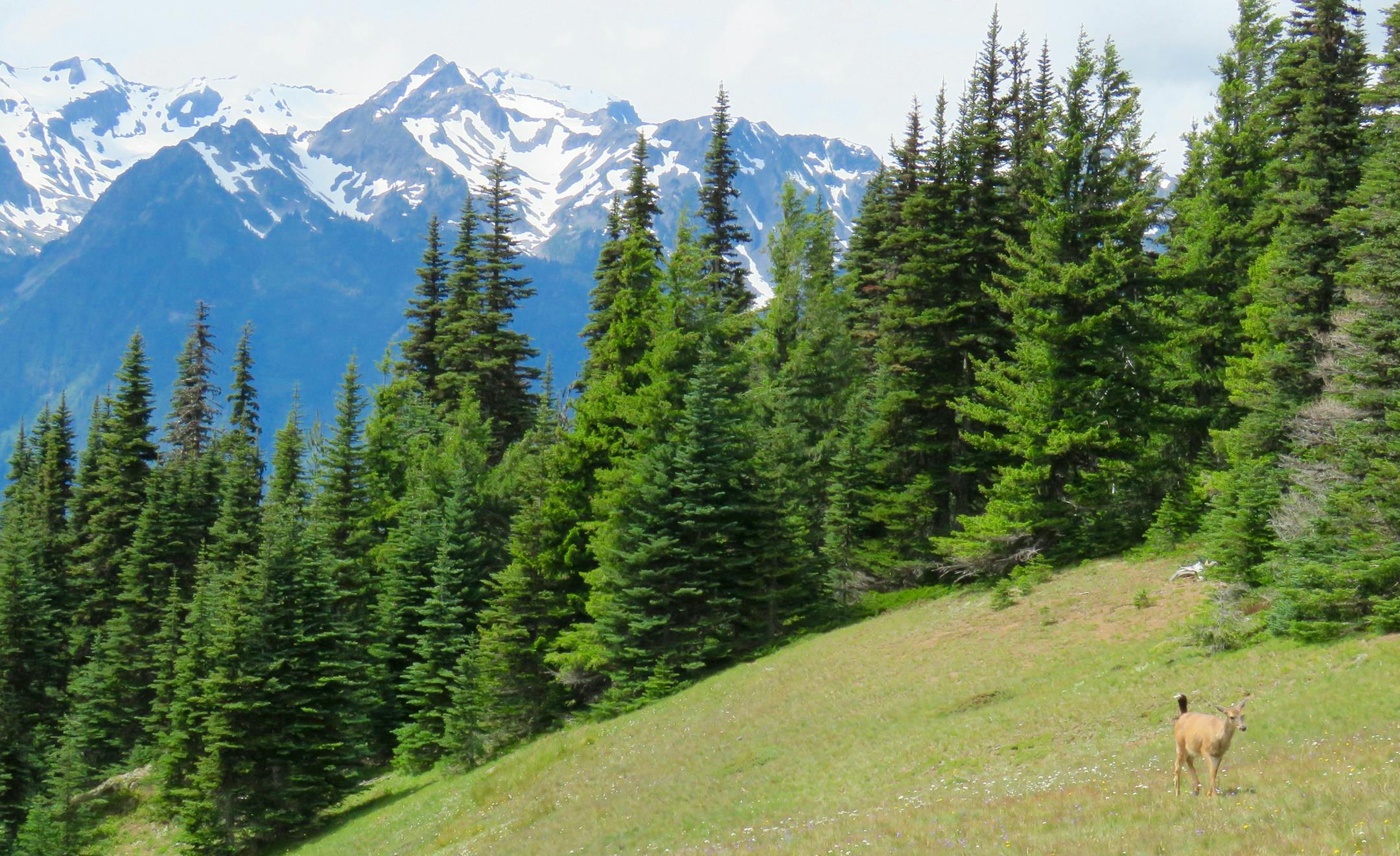
In addition to the rare rain forest, the 922,000-acre national park's eco-diversity led to its designation as a United Nations Educational, Scientific and Cultural Organization (UNESCO) World Heritage Site and International Biosphere Reserve. It encompasses alpine and subalpine mountains, old-growth forests, deep river valleys, and a 73-mile strip of ocean shore.
"You can go from the ocean all the way to the mountains in one long day," says Penny Wagner, public information officer for the park. "That is pretty spectacular."