

After three years at the University of Pennsylvania, Brielle Weiner has perfected the one-sentence introduction she gives in every new class: She's "a 21-year-old senior majoring in chemical and biomolecular engineering from Wellesley, Mass."
But this semester, in a course called the Pursuit of Happiness, Weiner was forced to try something new: an introductory anecdote that showed her at her best.
Weiner spoke about how caring for her 95-year-old grandmother, who came to live with their family eight years ago, forced her to grow as a person.
"It's not often that I go into details about this story to anyone," she said, "let alone a complete stranger."
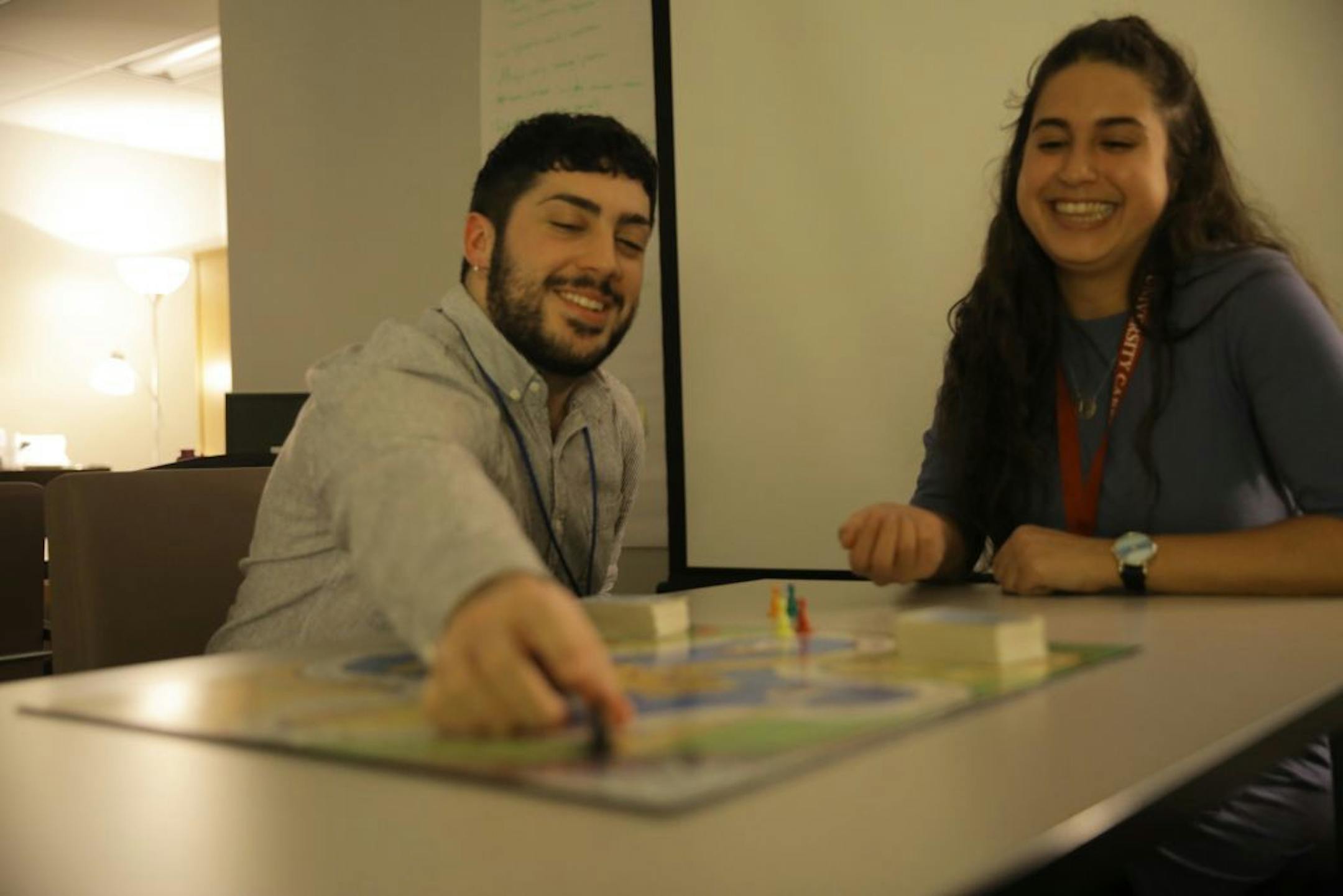
That's the point of the assignment, said James Pawelski, professor of the course which, he said, forces students to build deeper connections with each other.
The course is the first large-scale class at Penn to focus on the practice of positive psychology, the scientific study of what goes well in life and how to cultivate more of it. Nearly 200 students are enrolled — double a typical lecture course.
It comes at a time when universities across the country are desperate for new ways to improve mental health on campus. A 2018 study found college students are reporting increasing levels of depression, anxiety and suicidal thoughts for the eighth year in a row. While many colleges, including Penn, have hired more counselors and increased counseling center hours, some are wondering if there's more to be done. Can they stop the problem before it begins? Teach students to be more resilient, mentally healthier, maybe even happier?
"Happiness isn't one size fits all. We can't just dole it out to everybody," Pawelski said. "Our goal in class is to explore the pursuit of happiness together."


