
Opinion | As U students get hit with a new fee to pay for sports, here’s my two cents

College sports and student loan debt are two problems in need of pragmatic solutions.

July 27, 2025 at 9:00PM
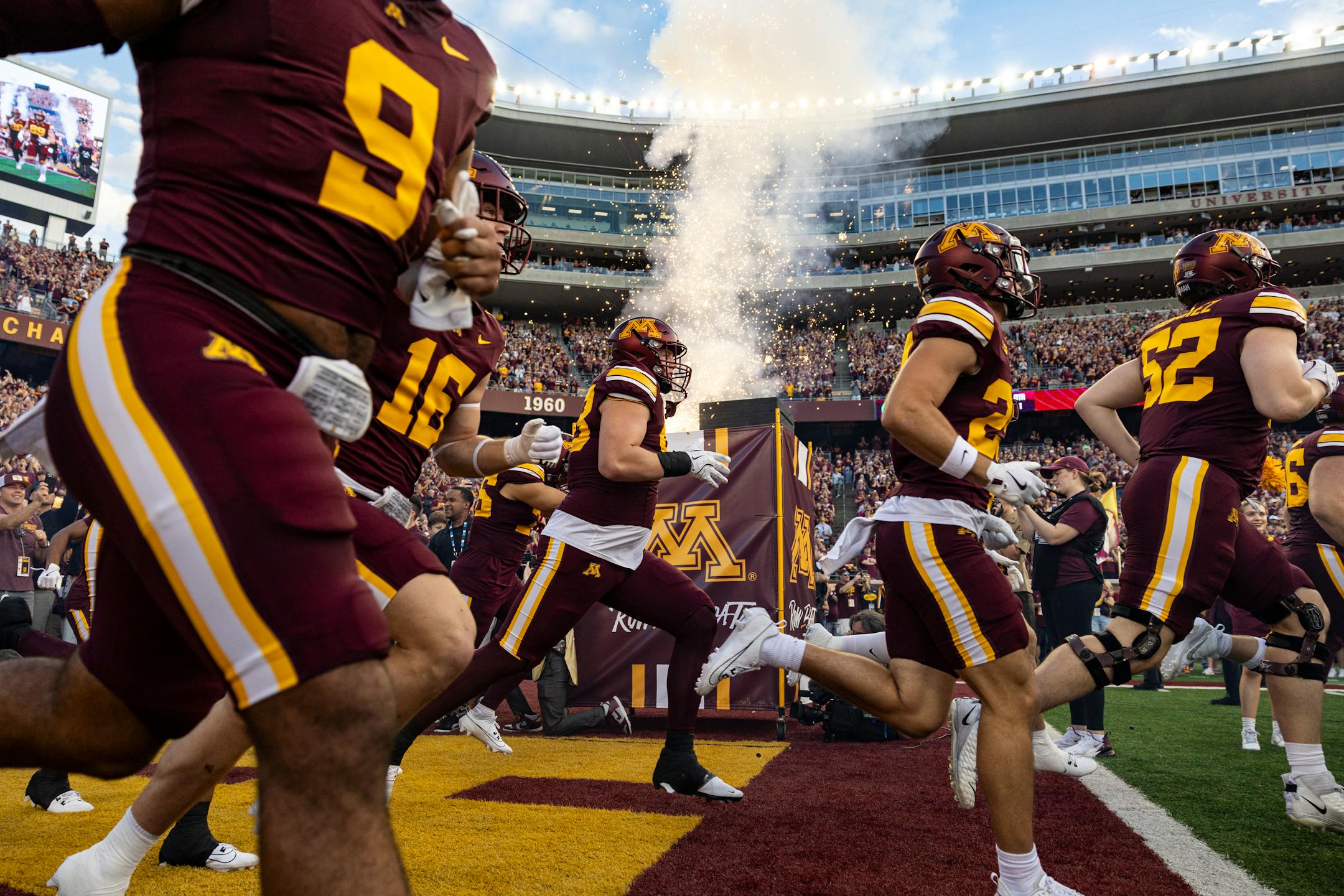
The Minnesota Gophers run onto the field in the first quarter at Huntington Bank Stadium in Minneapolis on Sept. 21, 2024
The Minnesota Gophers run onto the field in the first quarter at Huntington Bank Stadium in Minneapolis on Sept. 21, 2024: A new student fee will reduce the athletic department's deficit. (Ayrton Breckenridge/The Minnesota Star Tribune)

Opinion editor’s note: Strib Voices publishes a mix of guest commentaries online and in print each day. To contribute, click here.

•••

After increasing undergraduate tuition at the Twin Cities campus by a total of 14.5% over the past three years, the university administration now imposes a sports fee on students (“Students hit with $200 fee as U starts paying athletes,” July 19).

This new fee will generate $7 million to reduce the deficit of the $174 million athletics budget — with tens of millions of dollars for compensation for scores of athletic department administrators and coaches and now players. This is just bonkers.

We should recognize that football and men’s basketball teams are part of the sports entertainment industry. Those teams should be organized as separate corporations. The university would grant a license to those corporations to use the university name for those teams. The license fee would be a percentage of the revenues generated from ticket sales, broadcasting rights, advertising, rental fees for use of the stadium or arena, etc. The license fee would be used to support the non-revenue sports the university retains, such as gymnastics, track, tennis and swimming.

This would enable the players and their fans to continue to enjoy the games. Of even greater significance, it would enable the university to focus on teaching, research and public service — the reasons for its existence.

Next, we should tackle the even more serious problem of financing higher education. Across the nation the cost of college has tripled over the past 50 years, calculated using constant 2022-23 dollars and according to data compiled by the National Center for Education Statistics (“Is rising student loan harming the U.S. economy?” Council on Foreign Relations report, April 16, 2024).

National student loan debt is at $1.8 trillion and rising (Federal Reserve Consumer Credit Report, July 8, page 2). This exceeds all other categories of consumer debt, other than mortgage loans.

But the cost of a college degree is not limited to the debt incurred. That debt is incurred only after the students and their parents have exhausted their savings and student earnings.

Student loans have provided the fuel for the skyrocketing cost of higher education, which has risen even faster than the cost of medical care over the past 25 years (“Student Debt and Cost of Health Care Turn Saving And Credit Building Into A Vicious Cycle,” Forbes magazine, Jan. 13, 2022).

Our current system of financing much of higher education with student loan debt places all the financial risk on students and their parents and also lacks sufficient financial incentive for a college to control costs. Making the college the guarantor of student loans would provide that incentive.

The federal government should impose this requirement on colleges as a condition for participation in federal student loan programs, which now account for over 90% of all student loans (“Student loan debt statistics,” Forbes Advisor, May 18, 2024). This would require a college to take concrete action to back up its assessment of the value of a degree it awards as measured by the amount of tuition it charges for that degree.

Payments on student loan debt should be a percentage of the earnings of each student for a reasonable time period, such as five years. The primary responsibility for repayment should remain with the students and their parents. The college should have the secondary responsibility to pay any remaining balance on the loans. This would inject a much needed dose of accountability into the system.

Michael W. McNabb, of Lakeville, is an attorney.

about the writer

about the writer

Michael W. McNabb

More from Commentaries

See More
card image
Carlos Gonzalez/The Minnesota Star Tribune

Dollar amounts were discussed early, and the problems only grew from there.

card image
card image