

The NCAA's announcement of a college basketball start date led to huge scramble as schools tried to fill out schedules altered by the coronavirus pandemic.
Instead of getting easier with time, the task of building schedules has become more difficult as the season's start date nears.
Travel is an issue. So is finding common testing protocols. Restrictions in every state are all different and constantly changing with virus cases on the rise. The cancellation of several multiteam events left huge holes. Even sorting out officiating has presented challenges.
It's been like trying to simultaneously build 353 separate puzzles with overlapping and sometimes-missing pieces — and time is running out.
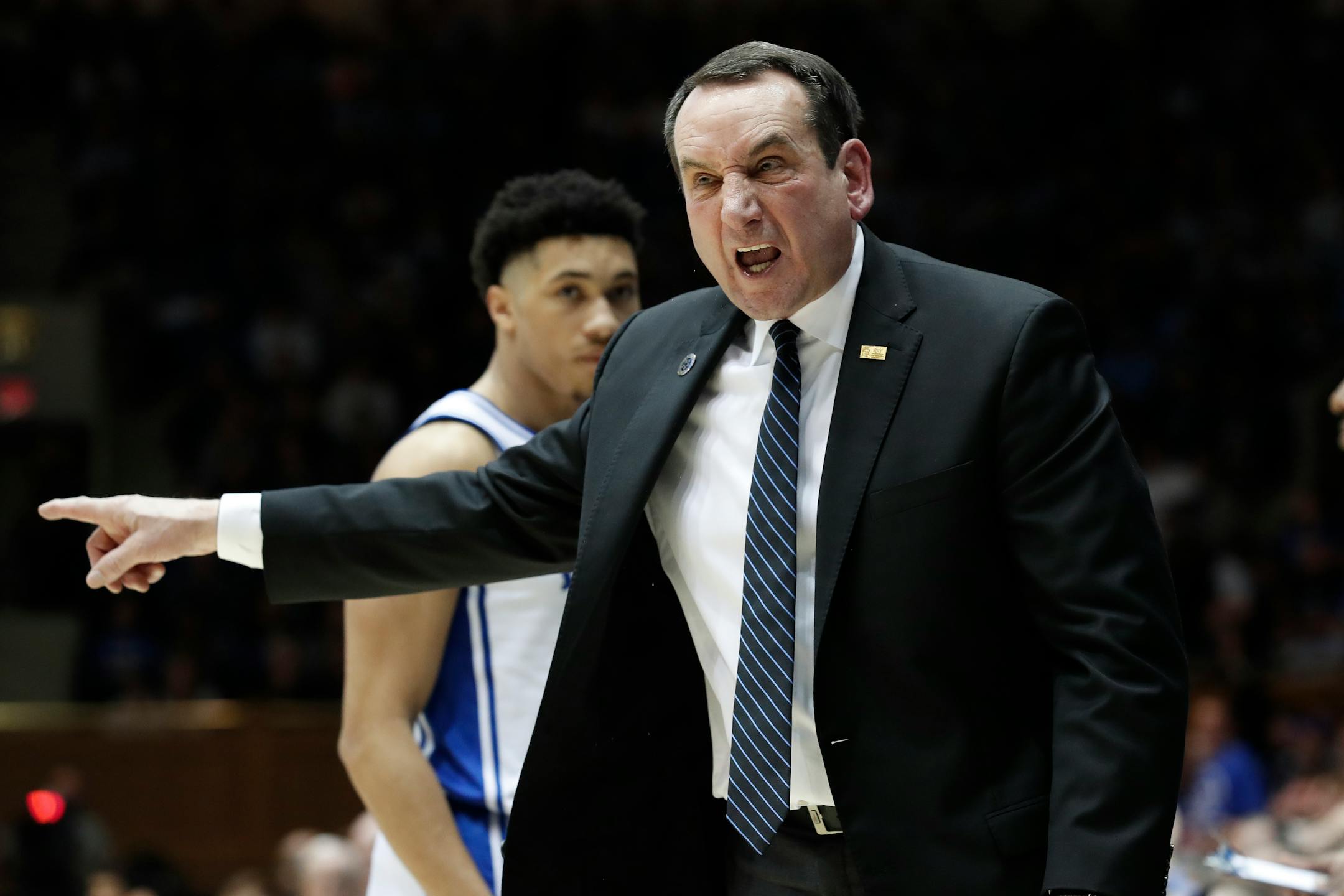
"We don't know a lot of things," Duke coach Mike Krzyzewski. "But we know we're going to have March Madness. We know we're going to have a regular season. We just don't know much about both — and it's a hell of a way to run a railroad."
The coronavirus ran college basketball, like every other sport and aspect of life, off the rails in March. The NCAA Tournament was wiped out and so was part of the payout to member schools, a whopping $375 million shortfall.
Following the lead of sports like the NFL and Major League Baseball, the NCAA opted to start college basketball's regular season on Nov. 25. The NCAA reduced the maximum number of games from 31 to 27 for teams playing in multiteam events, 25 for those that don't.
The plan is to play the NCAA Tournament in March, possibly in a "bubble" environment like the NBA and NHL did.


